

Millets Names: Complete Guide to Ancient Grains and Their Varieties
Millets have been cultivated for thousands of years across Africa, Asia, and the Middle East, serving as a staple food for millions of people. Understanding millets names and their varieties helps us appreciate the diversity of these nutritious ancient grains and their importance in global food systems. This comprehensive guide explores the common and scientific names of various millet types, their characteristics, and their uses in modern nutrition.
What Are Millets? An Overview
Millets refer to a group of small-seeded grasses valued for their drought resistance and nutritional density. These tiny grains are naturally gluten-free and rich in essential minerals like iron, magnesium, and phosphorus. They represent one of the earliest domesticated crops in human history, with evidence of cultivation dating back over 7,000 years.
Unlike larger grains such as wheat and rice, millets require minimal water and can thrive in poor soil conditions. This makes them particularly valuable in regions facing climate challenges and food security concerns.
Common Millets Names and Varieties

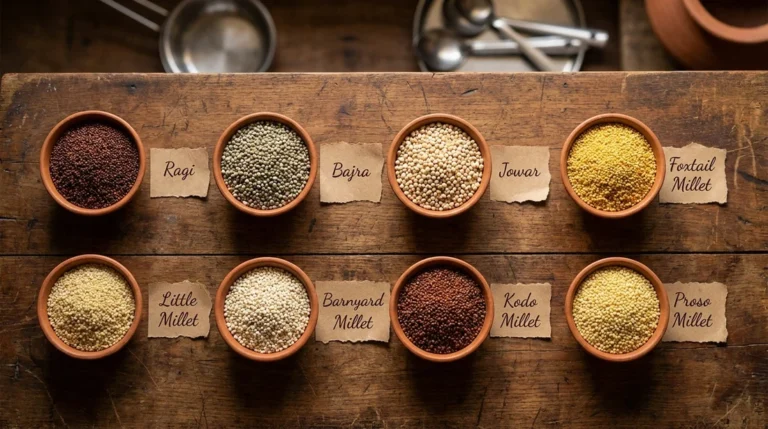
Various millets names exist across different languages and regions, each representing distinct species with unique characteristics. Here’s a detailed breakdown of the most important varieties:
| Common Name | Scientific Name | Regional Names | Primary Uses |
|---|---|---|---|
| Pearl Millet | Pennisetum glaucum | Bajra (Hindi), Cumbu (Tamil), Motho (Marathi) | Flour, porridge, animal feed |
| Finger Millet | Eleusine coracana | Ragi (Hindi), Kezhvaragu (Tamil), Mandua (Sanskrit) | Flour, porridge, malting |
| Foxtail Millet | Setaria italica | Kangni (Hindi), Thinai (Tamil), Kang (Chinese) | Whole grain, flour, sprouts |
| Proso Millet | Panicum miliaceum | Chena (Hindi), Varagu (Tamil), Common Millet (English) | Bird seed, flour, breakfast cereal |
| Sorghum | Sorghum bicolor | Jowar (Hindi), Cholam (Tamil), Durra (Arabic) | Flour, syrup, animal feed |
| Barnyard Millet | Echinochloa frumentacea | Sanwa (Hindi), Kurai (Tamil), Japanese Millet (English) | Whole grain, flour, fermented products |
| Little Millet | Panicum sumatrense | Kutki (Hindi), Samai (Tamil), Samo (Marathi) | Whole grain, porridge, flour |
| Kodo Millet | Paspalum scrobiculatum | Kodo (Hindi), Kodisama (Tamil), Kodra (Marathi) | Flour, porridge, traditional dishes |
Pearl Millet (Bajra): The Most Widely Cultivated
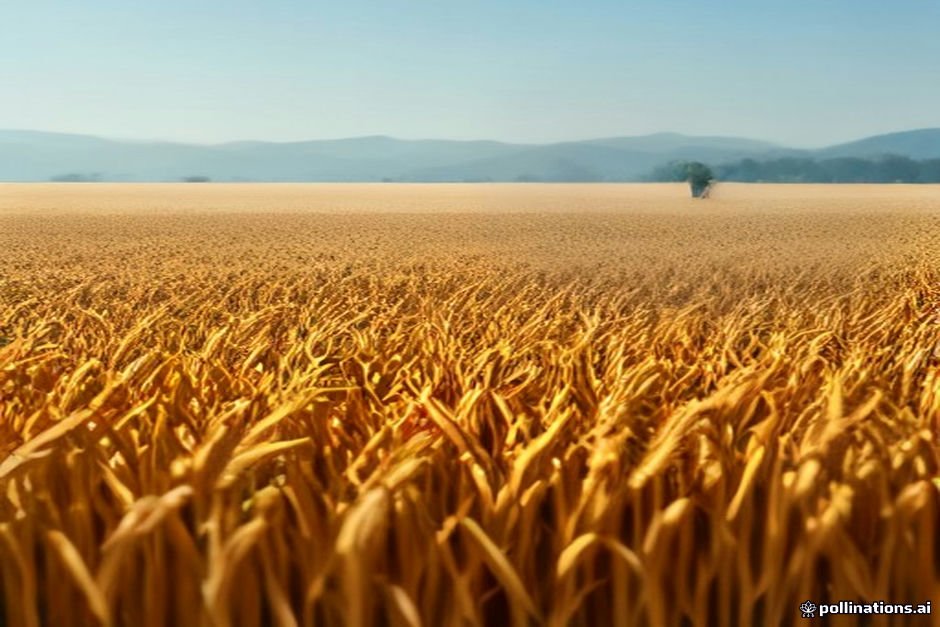
Pearl millet, known as Bajra in India and parts of Africa, is the most widely cultivated millet species globally. It produces distinctive pearl-like grains and can withstand extreme heat and drought conditions that would devastate other crops.
Pearl millet contains approximately 12% protein and is rich in magnesium and manganese. In traditional Indian cuisine, bajra is ground into flour for making rotis, porridges, and traditional snacks that have been consumed for centuries.
Finger Millet (Ragi): High in Calcium
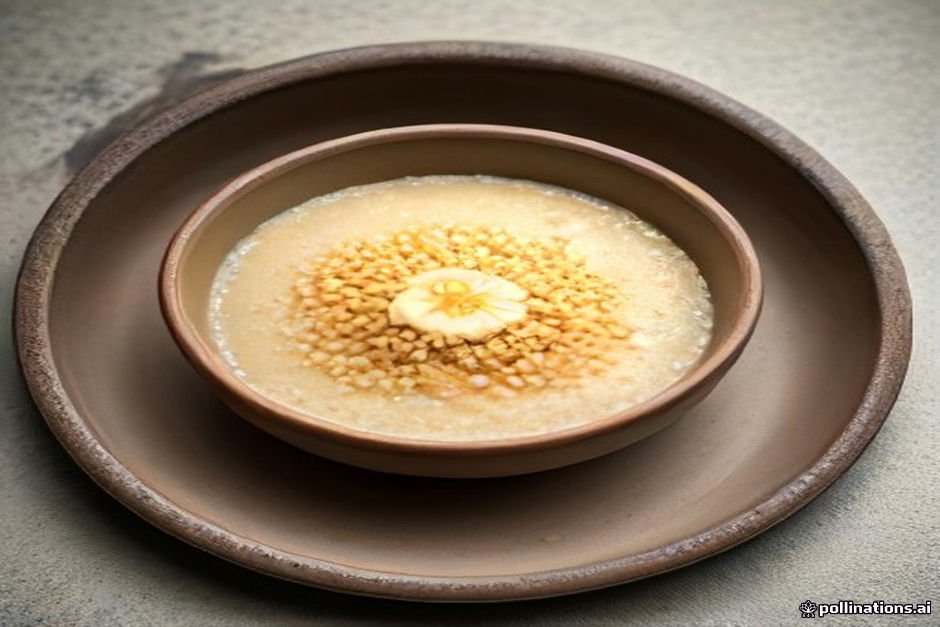
Finger millet, commonly called Ragi in South India, is named for its finger-like seed heads. It is exceptionally high in calcium, making it particularly valuable for bone health and development, especially in children and growing adolescents.
Ragi flour is widely used throughout South India to prepare traditional dishes like mudde (finger millet balls), porridges, and baked goods. Its slightly sweet flavor makes it popular in both savory and sweet applications.
Foxtail Millet (Kangni): Ancient and Nutritious
Foxtail millet, called Kangni in Hindi and Thinai in Tamil, takes its English name from its appearance resembling a fox’s tail. This variety has been cultivated in China and India for over 4,000 years and was a dietary staple in ancient civilizations.
Foxtail millet is particularly rich in antioxidants and amino acids, including lysine which is often deficient in other grains. The whole grains can be sprouted, cooked as a pilaf, or ground into flour for various culinary applications.
Sorghum (Jowar): Versatile and Drought-Resistant
Sorghum, known as Jowar in India and Durra in the Middle East, is technically a large millet variety. It stands taller than other millets and produces larger grain heads, making it easily distinguishable in agricultural settings.
Jowar is extremely versatile and can be used to make flour, fermented beverages, molasses, and even popped snacks similar to popcorn. Its drought resilience makes it an important crop for sustainable agriculture in arid regions.
Lesser-Known Millet Varieties
Beyond the major varieties, several lesser-known millets exist with specific regional significance and unique nutritional profiles:
- Barnyard Millet (Sanwa): Quick-cooking grain requiring only about 30 minutes of preparation, making it convenient for busy households.
- Little Millet (Kutki): Smallest variety among millets, with delicate texture and mild flavor suitable for making porridges and traditional puddings.
- Kodo Millet (Kodra): Primarily grown in central India, known for its earthy flavor and use in fasting or vrat dishes during religious observances.
- Teff: Ethiopian millet used to make injera, a spongy flatbread that serves as both plate and utensil in Ethiopian cuisine.
Nutritional Benefits Across Millet Varieties
Despite their individual differences, all millet varieties share impressive nutritional profiles that make them superior to many refined grains. They are naturally gluten-free, making them safe for people with celiac disease and gluten sensitivity.
Millets are rich in fiber, supporting digestive health and providing sustained energy throughout the day. They also contain polyphenols and other phytochemicals with anti-inflammatory and antioxidant properties.
Culinary Uses of Different Millet Types
Traditional cuisines from Africa to Asia have developed sophisticated preparations using various millet varieties. In Indian cuisine, bajra is made into thin, crispy rotis that pair well with curries and dal preparations.
Ragi is traditionally prepared as mudde—dense balls of cooked millet flour served with vegetable curries or meat dishes. In African nations, millet forms the foundation of numerous porridges, couscous-like dishes, and fermented grain beverages consumed daily by millions of people.
Climate Resilience and Sustainability
Millets represent a sustainable solution to global food security challenges as climate change intensifies. These crops require 30-50% less water than wheat and can produce harvests on marginal lands unsuitable for other grains.
The United Nations has recognized millets’ importance by declaring 2023 the International Year of Millets, highlighting their potential in combating malnutrition and promoting agricultural sustainability. Growing awareness of these ancient grains aligns with global movements toward climate-smart farming.
For more information on grain varieties and their nutritional properties, see Wikipedia’s Millet Article.
Looking to expand your grain choices for better nutrition and sustainability? You might also explore healthy dry fruits names and fruits names in Telugu to discover more nutritious food options suitable for Indian cuisines and regional diets.
Quick Facts About Millets
- Millets have been cultivated for over 7,000 years, predating both rice and wheat domestication
- Africa and Asia combined produce approximately 97% of the world’s millet crops
- A single millet plant can produce thousands of seeds, making it highly productive even in poor soil conditions
- Millets require minimal pesticide use due to natural pest resistance, supporting organic farming practices
Frequently Asked Questions
Are all millets varieties gluten-free?
Yes, all millet varieties are naturally gluten-free, making them suitable for people with celiac disease and gluten sensitivity. They serve as excellent alternatives to wheat and other gluten-containing grains in bread, pasta, and other foods.
Which millet variety has the highest nutritional value?
Finger millet (Ragi) is exceptionally high in calcium, while foxtail millet contains superior amino acid profiles. Pearl millet and sorghum offer balanced nutritional benefits, so the “best” choice depends on individual dietary needs.
How should millet grains be stored for long-term freshness?
Store millet grains in airtight containers in cool, dry places away from direct sunlight. Proper storage can maintain freshness and nutritional quality for 6-12 months, though whole grains stay fresher longer than ground flour.
Millets represent an ancient solution to modern nutritional and environmental challenges, offering diverse varieties suited to different culinary traditions and climate conditions worldwide.