
Fire Fighting Equipment Names With Pictures PDF: Complete Guide to Essential Tools
Understanding fire fighting equipment names with pictures pdf resources is essential for firefighters, safety professionals, and anyone working in fire prevention. Having access to properly labeled equipment reference materials helps ensure quick identification, correct usage, and effective emergency response. This comprehensive guide covers the major categories of firefighting equipment, their names, functions, and importance in fire suppression operations.
What Is Fire Fighting Equipment?
Firefighting equipment encompasses all tools, apparatus, and protective gear used by firefighters to combat fires and rescue people from dangerous situations. These items range from handheld tools to large vehicles and complex safety systems.
Proper knowledge of each piece of equipment is critical for operational efficiency and safety on the fireground. Equipment is organized by function: personal protective equipment (PPE), hand tools, hoses and nozzles, pumps, and vehicles.
Personal Protective Equipment (PPE)
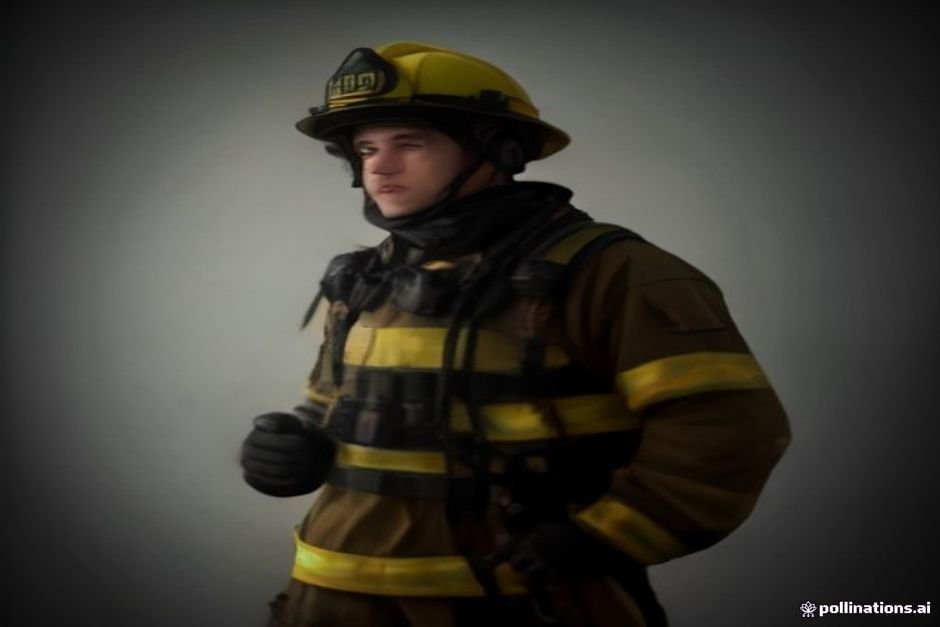
Firefighters must wear specialized protective gear to shield themselves from extreme heat, flames, and hazardous materials. PPE is perhaps the most critical category of equipment for personal safety.
Essential PPE Components
- Turnout Gear (Bunker Gear) – Multi-layer protective clothing designed to resist heat and flames while allowing mobility
- Fire Helmet – Hard protective headgear with a face shield and neck protection to guard against falling debris
- SCBA (Self-Contained Breathing Apparatus) – Portable air supply system allowing firefighters to breathe safely in smoke-filled environments
- Gloves – Specialized heat-resistant gloves protecting hands from burns and sharp objects
- Boots – Steel-toed, insulated footwear designed to withstand extreme temperatures and protect feet
- Face Shield and Goggles – Eye protection from heat, sparks, and hazardous debris
Hand Tools and Equipment
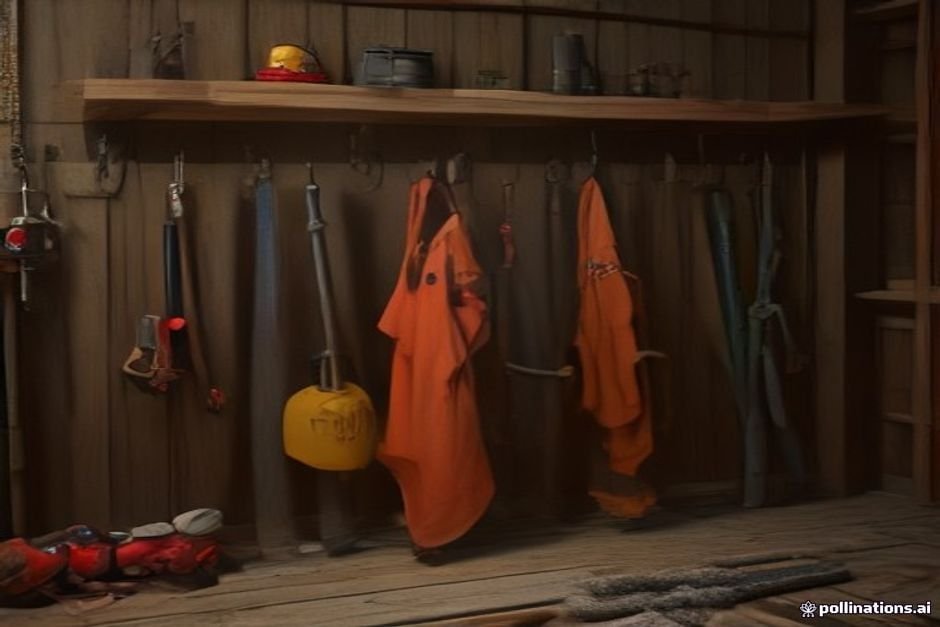
Firefighting hand tools are essential for rescue operations, ventilation, and structural access. These tools allow firefighters to reach victims and control fires in confined spaces.
Common Hand Tools
- Fire Axe – Used for breaking through doors, walls, and windows to gain access and ventilate structures
- Halligan Bar – Pry tool for forcing open doors and creating openings in buildings
- Sledgehammer – Heavy tool for breaking through concrete, walls, and structural elements
- Crowbar – Lever tool for prying and forcing entry into locked or barricaded areas
- Pike Pole – Long pole with hook for pulling down ceilings, walls, and checking for hidden fires
- Shovel – Used for moving debris, protecting structures, and controlling ground fires
- Bolt Cutters – Tool for cutting through chains, locks, and metal barriers
Hoses and Nozzles
Water delivery systems are fundamental to fire suppression operations. The proper selection and use of hoses and nozzles determines the effectiveness of water application.
Fire hoses come in various diameters and materials, typically ranging from 1.5 inches to 5 inches. Nozzles control the pattern and flow rate of water, adapting to different firefighting scenarios.
Types of Hoses and Nozzles
- Attack Hose – Smaller diameter hose (1.5-2.5 inches) used directly at the fire for aggressive suppression
- Supply Hose – Larger diameter hose (3-5 inches) used to transport water from source to pumper
- Combination Nozzle – Adjustable nozzle allowing spray patterns from straight stream to wide fog
- Straight Stream Nozzle – Produces a solid stream for penetrating fires and reaching distant flames
- Fog Nozzle – Creates a mist pattern that cools and displaces heat more efficiently
Pumps and Water Supply Systems
Firefighting pumps move water from sources like hydrants and tankers to the fireground. These powerful systems are crucial for sustained firefighting operations.
Mobile pump units are mounted on trucks and can deliver thousands of gallons per minute. Stationary pumps and portable pump units extend firefighting capabilities in remote areas.
Key Pump Equipment
- Engine-Driven Pump – Mounted on fire trucks, powered by the vehicle engine for continuous water supply
- Portable Pump – Lightweight, independently-powered unit for remote water access
- Standpipe System – Built-in piping in large buildings allowing firefighters to connect hoses at different levels
- Fire Hydrant – Street-level water source providing quick connection to municipal water supply
Fire Engines and Apparatus
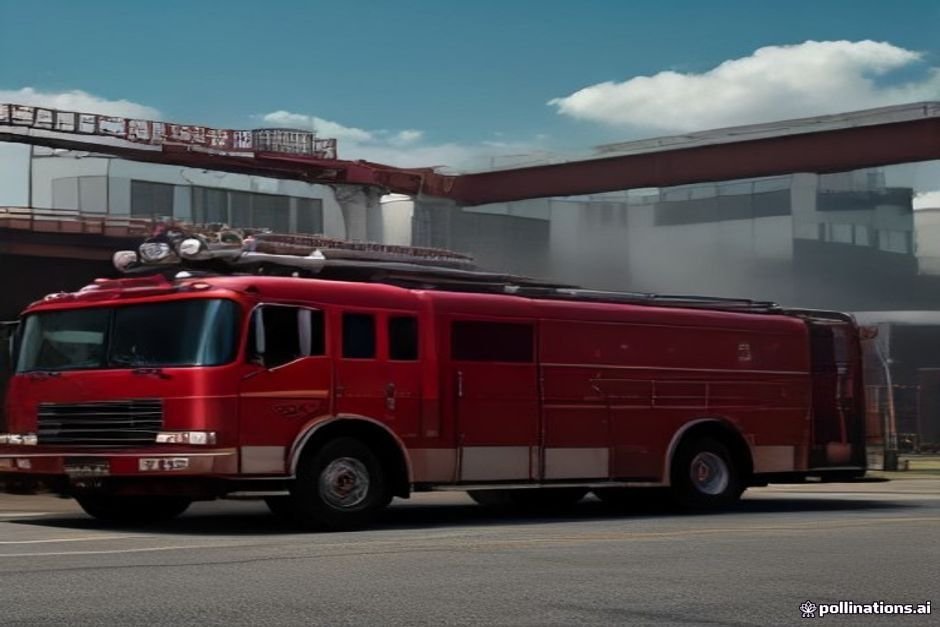
Firefighting vehicles serve as mobile platforms for equipment, personnel, and water delivery. Different apparatus types are specialized for specific firefighting and rescue functions.
Major Types of Firefighting Vehicles
- Pumper/Engine – Standard fire engine carrying pumps, hoses, and crew for initial attack and water supply
- Tanker Truck – Carries large water tanks for areas without nearby hydrants or water sources
- Ladder Truck – Extended ladder apparatus for elevated rescues and roof access
- Rescue Truck – Equipped with specialized tools for extraction, extrication, and technical rescue
- Aerial Platform – Elevated bucket for firefighter positioning and elevated rescue operations
- Hazmat Unit – Specialized vehicle for handling hazardous materials and chemical incidents
Fire Fighting Equipment Names With Pictures PDF Resources
Many fire departments and safety organizations provide fire fighting equipment names with pictures pdf documents as training materials. These resources are invaluable for recruits, safety officers, and anyone requiring quick reference identification.
Digital PDF guides typically include labeled photographs, technical specifications, and operational procedures for each major equipment category. Accessing these materials ensures everyone uses standardized terminology and understands equipment functions.
Organizations like the National Fire Protection Association (NFPA) and state fire academies publish comprehensive equipment guides. Many departments create custom PDFs tailored to their specific apparatus and regional protocols.
Specialized Equipment
Beyond basic suppression tools, modern firefighting includes specialized equipment for unique scenarios. These items address specific hazards and rescue situations that standard equipment cannot handle.
Advanced Equipment Categories
- Thermal Imaging Camera – Detects heat signatures through smoke, enabling location of fire sources and trapped victims
- Gas Monitor – Tests air quality and detects hazardous gases in confined spaces
- Jaws of Life – Hydraulic extrication tool for removing vehicle wreckage and trapped persons
- Rope and Harness Systems – Technical rescue equipment for rope rescue and vertical operations
- Foam Concentrate – Chemical agent for flammable liquid fires where water is ineffective
- Portable Light Tower – Mobile lighting system for nighttime operations and large-scale incidents
Safety Standards and Certification
All firefighting equipment must meet established safety standards before deployment. Certification ensures equipment performs reliably under extreme conditions.
NFPA standards establish requirements for protective gear, vehicles, and tools used in firefighting operations. Regular inspection, maintenance, and testing keep equipment in compliance and operational readiness.
Training and Equipment Familiarization
Proper training on equipment usage is mandatory for all firefighters. Regular drills and exercises ensure personnel can quickly deploy and operate all equipment under stress.
New recruits spend significant time learning equipment names, functions, and proper handling techniques. Ongoing training keeps experienced firefighters up to date on new equipment and procedures.
For more on firefighting equipment standards and specifications, see National Fire Protection Association (NFPA).
Also read Pancharamalu Names.
Frequently Asked Questions
What is the most important piece of firefighting equipment?
Personal protective equipment, especially SCBA (breathing apparatus) and turnout gear, is most critical for firefighter safety and survival in dangerous environments.
How often should firefighting equipment be inspected?
Equipment should be inspected regularly—typically daily for gear and apparatus, and annually for vehicles and major systems—to ensure readiness and compliance with safety standards.
Can firefighting equipment be used for other purposes?
While some tools have limited alternative uses, most firefighting equipment is specialized for fire suppression and rescue and should only be used by trained personnel for its intended purpose.
Where can I find a complete fire fighting equipment names with pictures PDF?
Fire departments, fire academies, and organizations like NFPA provide these resources; check your local fire department’s training materials or their official website for downloadable guides.