
Indian Food Names A To Z: Complete Guide to Authentic Dishes and Cuisines
Indian cuisine is one of the world’s most diverse and flavorful food traditions, spanning thousands of years of culinary excellence. Learning indian food names a to z helps food enthusiasts, travelers, and curious cooks understand this rich gastronomic heritage. This comprehensive guide covers authentic Indian dishes from every region, organized alphabetically with descriptions, ingredients, and origins. Whether you’re dining at a restaurant, cooking at home, or traveling through India, knowing these food names will enhance your appreciation and experience.
Why Learn Indian Food Names A To Z?
Understanding Indian food terminology opens doors to culinary exploration and cultural appreciation. When you know the proper names of dishes, you can order confidently at restaurants and explore regional variations with authenticity.
Each dish carries stories of regional traditions, family recipes, and centuries-old cooking methods. Learning these names connects you to the people, geography, and history behind every meal.
Indian Food Names A To Z: A Complete Alphabetical Reference
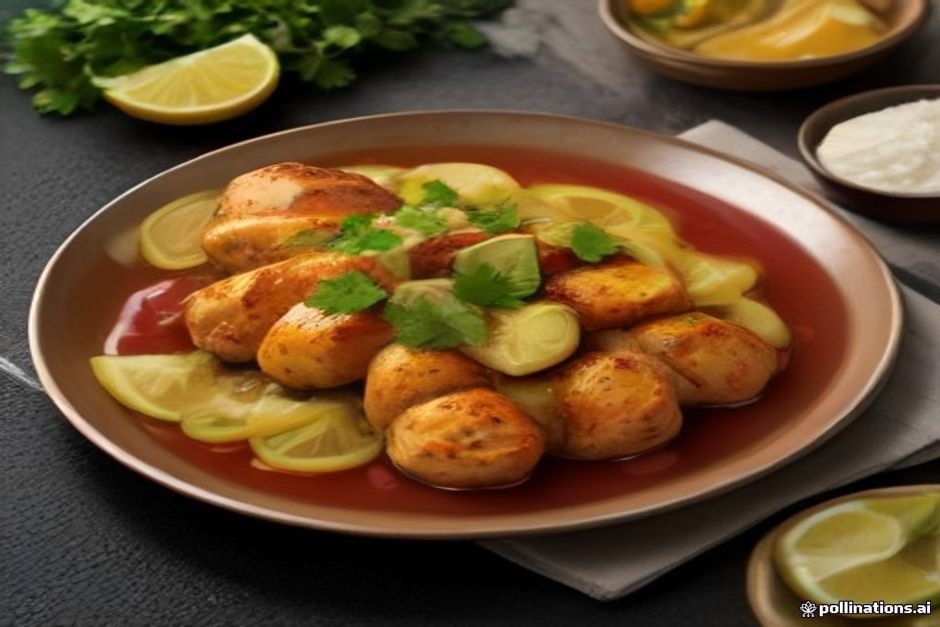
Below is an organized reference of popular Indian dishes, organized alphabetically with their descriptions and regional origins.
| Dish Name | Description | Region of Origin |
|---|---|---|
| Aloo Gobi | Stir-fried potato and cauliflower curry with spices | North India |
| Aloo Paratha | Flatbread stuffed with spiced mashed potatoes | North India |
| Biryani | Fragrant rice dish with meat, aromatic spices, and herbs | Hyderabad, Lucknow |
| Samosa | Deep-fried pastry filled with spiced potatoes or meat | North India |
| Tandoori Chicken | Marinated chicken cooked in a clay oven with yogurt and spices | Punjab |
| Paneer Tikka | Cottage cheese cubes marinated and grilled with vegetables | North India |
| Butter Chicken | Tender chicken in a creamy tomato-based sauce with butter | Delhi |
| Dal Makhani | Slow-cooked lentils with cream, butter, and aromatic spices | Punjab |
| Idli | Steamed cake made from rice and lentil batter | South India |
| Dosa | Crispy crepe made from rice and lentil batter, served with sambhar | South India |
| Chaat | Savory snack with potatoes, chickpeas, yogurt, and tamarind sauce | North India |
| Roti | Unleavened flatbread made from whole wheat flour | All India |
| Naan | Soft, puffy bread baked in a tandoor, often brushed with butter | North India |
| Chole Bhature | Deep-fried bread served with spiced chickpea curry | Punjab |
| Palak Paneer | Spinach puree cooked with cottage cheese and cream | North India |
| Sambar | Spiced lentil vegetable stew with tamarind and curry leaves | South India |
| Masala Dosa | Crispy dosa filled with spiced potato and onion mixture | South India |
| Rasgulla | Soft cottage cheese balls soaked in sugar syrup | Bengal |
| Gulab Jamun | Fried milk solids soaked in rose-flavored sugar syrup | All India |
| Kheer | Rice pudding made with milk, sugar, and cardamom | All India |
North Indian Specialties
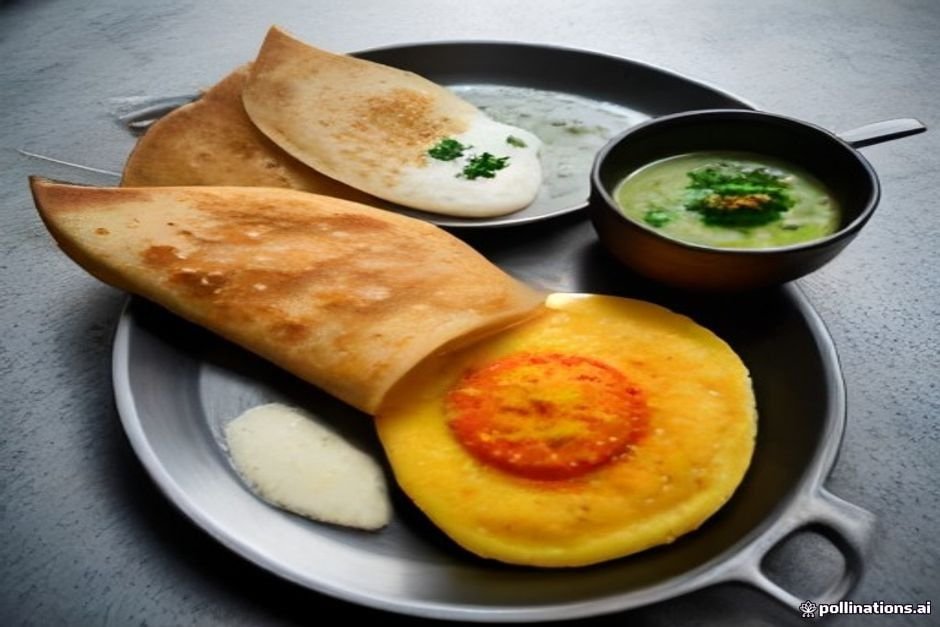
North India is famous for its rich, creamy curries and breads cooked in tandoors. Dishes like Rogan Josh, Nihari, and Korma showcase Mughal influences and aromatic spice blends.
Breads are central to North Indian meals, including Naan, Kulcha, Paratha, and Puri. These are often served alongside curries, daals, and rice preparations.
South Indian Delights
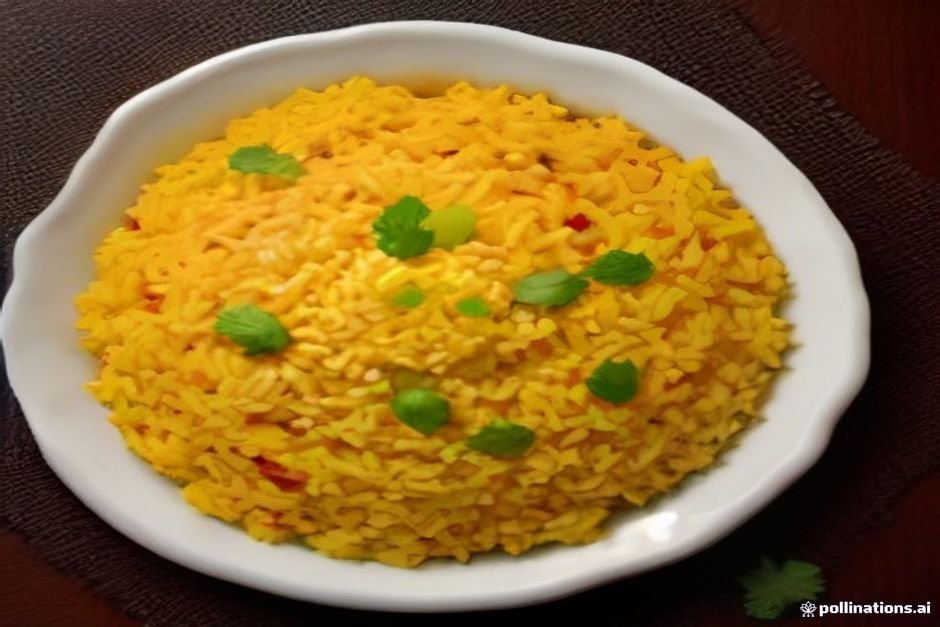
South Indian cuisine emphasizes rice, lentils, coconut, and curry leaves. Breakfast staples like Idli and Dosa are served with Sambhar and Coconut Chutney.
Rice-based dishes such as Biryani and Pulao are popular lunch and dinner options. South Indian desserts like Payasam are made with jaggery, coconut, and traditional ingredients.
East Indian Traditions
East India, particularly Bengal, is known for its fish curries, mustard oil preparations, and sweets. Hilsa fish curry and Chingri Malai Curry are beloved regional specialties.
Bengali sweets like Rasgulla, Sandesh, and Mishti Doi have gained national and international recognition for their delicate flavors and traditional preparation methods.
West Indian Flavors
Western India features Gujarati, Maharashtrian, and Goan cuisines with distinct flavor profiles. Dhokla, Fafda, and Undhiyu are Gujarati favorites, while Pav Bhaji is popular street food.
Goan cuisine is characterized by coconut-based curries and fish preparations influenced by Portuguese colonization. Vindaloo and Xacuti are fiery curries from this coastal region.
Essential Spices and Ingredients
Indian cooking relies on fundamental spices that define regional and dish-specific flavors. Cumin, coriander, turmeric, and chili powder form the base of most curry blends.
- Garam Masala: Warm spice blend with cinnamon, cardamom, and cloves
- Mustard Seeds: Used for tempering and adding sharp flavor
- Asafoetida: Pungent spice used in small quantities for depth
- Fenugreek: Seeds and leaves used for bitter-sweet notes
- Curry Leaves: Fresh herb essential for South Indian cooking
- Kasuri Methi: Dried fenugreek leaves for aromatic finishing
Vegetarian and Vegan Options in Indian Cuisine
Indian cuisine naturally accommodates vegetarian and vegan diets with abundant plant-based options. Lentil dishes, bean curries, and vegetable preparations are nutritious and flavorful.
Paneer-based dishes provide protein for vegetarians, while Tofu and legumes serve vegan diets. Options like Chana Masala, Rajma, and various Curries are satisfying and traditional.
Street Food and Snacks
Indian street food culture offers quick, tasty, and affordable options enjoyed by millions daily. Samosa, Pakora, and Bhelpuri are beloved street snacks across the country.
Regional specialties include Pav Bhaji from Mumbai, Kachori from North India, and Vada from South India. These foods are often eaten as breakfast, lunch, or evening snacks.
Quick Facts About Indian Cuisine
- Indian cuisine uses approximately 5,000 to 7,000 ingredient combinations across various regions
- Spices in Indian cooking are believed to have medicinal and digestive properties
- The tandoor oven has been used in India for cooking for over 5,000 years
- India produces and consumes the majority of the world’s spices
- Regional cuisines vary dramatically despite geographic proximity due to local ingredients and cultural traditions
Regional Variations and Influences
Each region of India has developed distinct culinary practices based on local agriculture, climate, and cultural exchange. Muslim, Hindu, Christian, and Sikh communities each contributed unique dishes and cooking methods.
Trade routes brought influences from Central Asia, Persia, and Europe, resulting in fusion dishes that remain authentically Indian. Colonial periods added ingredients like potatoes, tomatoes, and chili peppers that are now essential to Indian cooking.
How to Navigate Indian Restaurant Menus
Understanding food terminology helps diners make confident choices at Indian restaurants. Terms like “Masala” (spice blend), “Curried” (cooked in sauce), and “Tandoori” (clay oven-cooked) indicate cooking methods and flavor profiles.
Knowing whether a dish is vegetarian, vegan, or contains dairy, nuts, or gluten is important for dietary restrictions. Most restaurants are happy to explain ingredients and customize spice levels upon request.
For more on Indian culinary traditions and authentic recipes, see Wikipedia’s Indian Cuisine Article.
Frequently Asked Questions
What are the most popular Indian dishes worldwide?
Butter Chicken, Tandoori Chicken, Biryani, and Paneer Tikka are among the most internationally recognized Indian dishes. These are widely available in Indian restaurants across the globe.
Are all Indian dishes spicy?
Not necessarily. While many Indian dishes contain chili peppers, spice levels vary widely by region and recipe. Many dishes are mild or moderately flavored, and restaurants can adjust heat levels upon request.
What are common vegetarian Indian dishes?
Popular vegetarian options include Paneer Tikka, Aloo Gobi, Chana Masala, Palak Paneer, and various Daal curries. These are nutritious, satisfying, and commonly found on restaurant menus.
How do regional Indian cuisines differ?
Northern India favors creamy, butter-based curries and breads; Southern India emphasizes rice, lentils, and coconut; Eastern India is known for fish curries; and Western India features lighter preparations and more vegetables. Local ingredients and cultural influences shape these differences.