Millet Names: Complete Guide to Global Grain Varieties and Their Regional Identities
Millet is one of the world’s most ancient and nutritious cereal crops, cultivated for thousands of years across Africa, Asia, and beyond. Understanding the various millet names used globally helps us appreciate the cultural diversity and regional importance of these grains. Different regions call millet by unique names based on their local languages, grain types, and traditional usage. This guide explores the most common and significant millet names across various countries and languages, providing insight into their meanings and cultural contexts.
What Are Millet Names and Why They Matter
Millet names refer to the diverse terminology used worldwide to identify different millet species and their regional varieties. Each name typically reflects the grain’s characteristics, growing region, or traditional culinary significance.
Understanding these names is valuable for several reasons. Agricultural professionals, cooks, nutrition enthusiasts, and cultural researchers all benefit from knowing how millets are identified across different regions. The names often carry historical and linguistic weight within their communities.
For more on millet cultivation history and varieties, see Wikipedia: Millet.
Major Millet Names Across Africa
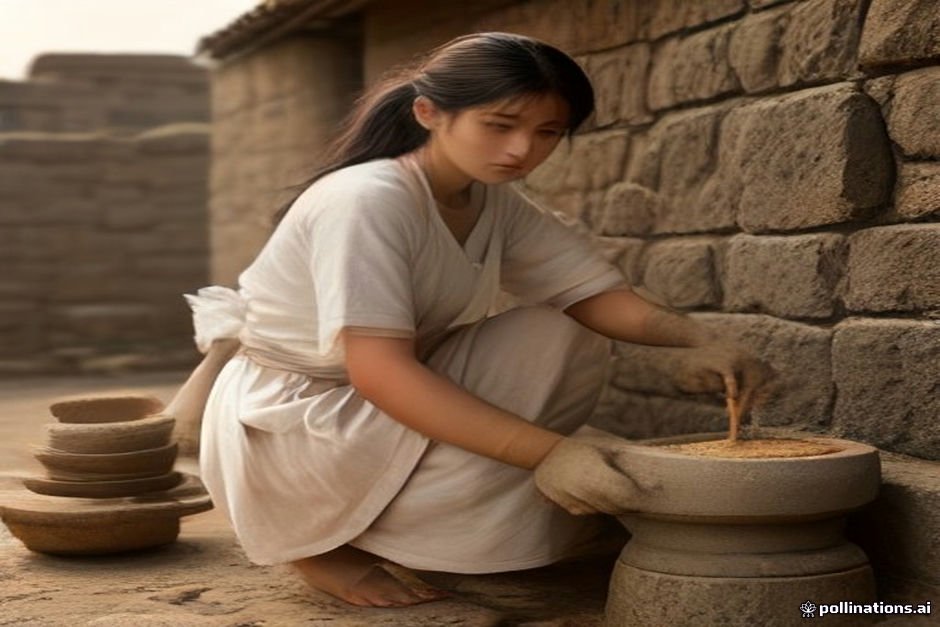
Africa remains the world’s largest millet producer and consumer, with numerous regional names reflecting the grain’s cultural importance. The continent uses distinct terminology based on local languages and grain varieties.
- Sorghum: A major millet type in Africa, called “durra” in Arabic regions and “jowar” in parts of East Africa
- Fonio: A tiny-grained millet prized in West Africa, particularly in Mali, Senegal, and Guinea
- Teff: An Ethiopian grain forming the base of injera bread, sometimes classified as millet
- Milo: Another sorghum variety name commonly used in African English-speaking regions
- Dagga: A finger millet variety with significant cultural importance in parts of southern Africa
Indian and South Asian Millet Names
India has the most extensive terminology for millets, reflecting millennia of agricultural tradition. Each millet type carries distinct Sanskrit, Hindi, and regional language names. For a comprehensive overview of these varieties, see our guide to millet names in Hindi.
- Bajra: Pearl millet, known as “cumbu” in Tamil and “bajri” in Marathi
- Ragi or Finger Millet: Called “madua” in Hindi, “kezhvaragu” in Tamil, and “ragulu” in Telugu
- Jowar: Sorghum millet, also known as “cholam” in Tamil and “jola” in Kannada
- Sama: Barnyard millet, used during fasting periods in Hindu traditions
- Kutki: Little millet with fine grains, lesser known but nutritionally significant
- Kodo: Kodo millet, traditionally used for both human consumption and animal feed
East Asian and Asian Millet Names
China, Japan, and Korea have long histories with millet cultivation, each with specific naming conventions. These grains remain culturally significant in traditional cuisines and agricultural practices.
- Kaoliang: Chinese sorghum millet used for food and alcohol production
- Awa: Japanese foxtail millet with fine culinary applications
- Hyeonmi or Naengi: Korean millet varieties used in traditional dishes
- Setaria: Foxtail millet commonly grown in temperate Asian regions
- Panicum: Proso millet, used traditionally in Asian cooking
Mediterranean and Middle Eastern Millet Names
The Mediterranean region and Middle East have historically used millets, with specific Arabic and Mediterranean terminologies. These names reflect the grains’ roles in historical trade and agricultural systems.
- Durra: Sorghum millet in Arabic-speaking regions, sometimes spelled “durrah” or “dura”
- Dhurra: North African variant of durra, particularly in Sudan and Ethiopia
- Arish: An ancient millet type mentioned in historical Middle Eastern texts
- Talia: A traditional Mediterranean millet variety with limited modern cultivation
Common Millet Names Used Globally
| English Name | Scientific Name | Primary Regions | Key Characteristics |
|---|---|---|---|
| Pearl Millet (Bajra) | Pennisetum glaucum | India, Africa, Middle East | Large grains, drought-resistant |
| Finger Millet (Ragi) | Eleusine coracana | India, Africa, South Asia | High calcium, finger-like seedhead |
| Sorghum (Jowar) | Sorghum bicolor | Africa, India, Americas | Tall plant, diverse uses |
| Foxtail Millet (Awa) | Setaria italica | East Asia, parts of India | Fine grains, ornamental appearance |
| Fonio | Digitaria exilis | West Africa | Tiny grains, nutty flavor |
| Kodo Millet | Paspalum scrobiculatum | India, parts of Asia | Small brown grains, hardy crop |
| Proso Millet | Panicum miliaceum | Asia, parts of Europe, Americas | Quick-maturing, versatile grain |
| Barnyard Millet (Sama) | Echinochloa frumentacea | India, Southeast Asia | Quick-growing, ritual significance |
Quick Facts About Millet
- Millet cultivation dates back approximately 10,000 years, making it one of humanity’s oldest crops
- Africa and Asia collectively account for over 95% of global millet production
- A single millet plant can produce thousands of tiny grains per seedhead
- Millet is naturally gluten-free and highly nutritious, containing protein, fiber, and essential minerals
- Many traditional and regional cuisines depend on millet as a staple grain
Regional Significance of Millet Names
The terminology used for millets reflects deep cultural and historical connections within communities. Names passed down through generations carry meaning beyond simple identification.
In India, millet names are often intertwined with religious practices and seasonal traditions. During certain Hindu fasting periods, specific millet varieties like sama and kutki hold ritual importance.
African societies have developed extensive knowledge systems around millet cultivation and preparation. Regional names encode information about grain quality, growing season, and traditional preparation methods that are essential to food security and cultural continuity.
For additional context on grain naming traditions across cultures, explore our guide to names of pulses, which discusses similar terminology patterns in legume varieties.
Modern Applications of Millet Names
Today, millet names appear in international food markets, nutrition research, and agricultural documentation. Understanding these names helps consumers make informed dietary choices.
Food manufacturers and exporters increasingly use both regional and English names on product packaging. This dual-naming approach helps international customers identify products while maintaining cultural authenticity.
Agricultural scientists and researchers reference millet names in academic literature, ensuring that traditional knowledge systems and modern scientific classification remain connected and mutually intelligible.
Frequently Asked Questions
Are all millet types nutritionally similar?
While all millets are nutritious whole grains, different varieties have distinct nutrient profiles. Ragi is notably high in calcium, while bajra excels in iron and protein content.
Why do millets have so many different names?
Different regions developed their own names based on local languages, agricultural traditions, and cultural significance accumulated over centuries of cultivation.
Which millet variety is most widely consumed globally?
Sorghum (jowar) is arguably the most widely consumed millet globally, used across Africa, India, the Americas, and Asia in various culinary traditions.
Is teff considered a millet?
Teff is sometimes classified as millet due to its grain size and growing habits, though botanically it belongs to the Eragrostis genus rather than traditional millet categories.