

Dry Fruit Names: Complete Guide to Popular Varieties and Their Nutritional Benefits
Dry fruit names represent some of the most nutritious and versatile foods available in today’s health-conscious diet. From almonds to walnuts, dates to raisins, these concentrated sources of vitamins, minerals, and healthy fats have been valued for centuries across different cultures. Understanding the various dry fruit names helps consumers make informed choices about which options best suit their dietary needs and preferences.
Dried fruits and nuts offer exceptional nutritional density, providing sustained energy and essential nutrients in compact, shelf-stable packages. Whether you’re looking to boost your diet, improve your energy levels, or simply explore new flavors, learning about different dry fruit names opens up numerous healthy possibilities.
Common Dry Fruit Names and Their Characteristics
The most widely recognized dry fruits include almonds, cashews, walnuts, pistachios, and pecans in the nut category, while dates, raisins, apricots, figs, and cranberries represent the dried fruit section. Each variety brings distinct flavors, textures, and nutritional profiles to the table.
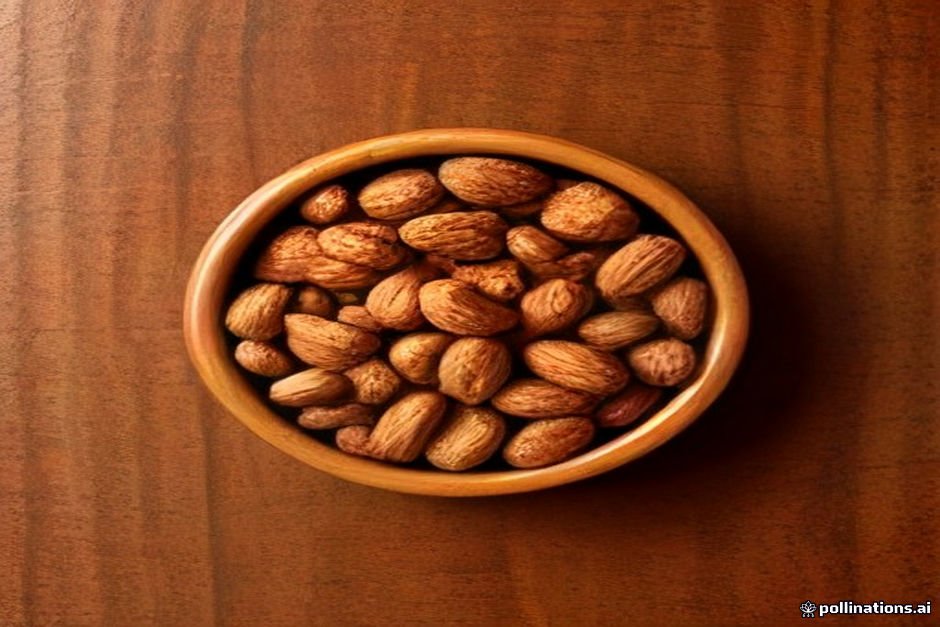
Almonds are among the most consumed dry fruits globally, known for their mild flavor and high protein content. They’re versatile enough for snacking, baking, or blending into milk alternatives.
Cashews offer a buttery taste and creamy texture that makes them popular for both direct consumption and culinary applications. Their lower fiber content compared to other nuts makes them easier to digest for some individuals.
Walnuts contain omega-3 fatty acids, making them particularly beneficial for heart and brain health. They have a slightly bitter, earthy flavor that works well in both sweet and savory dishes.
Dates are naturally sweet dried fruits packed with fiber and minerals like potassium and magnesium. They serve as an excellent natural sweetener in smoothies, energy balls, and baking recipes.
Dry Fruit Names by Category
| Category | Dry Fruit Examples | Primary Nutrients |
|---|---|---|
| Tree Nuts | Almonds, Walnuts, Pecans, Pistachios | Protein, Healthy Fats, Vitamin E |
| Legume Nuts | Peanuts, Cashews | Protein, Magnesium, Copper |
| Dried Fruits | Raisins, Dates, Apricots, Figs | Fiber, Potassium, Antioxidants |
| Seeds | Sunflower Seeds, Pumpkin Seeds | Zinc, Selenium, Magnesium |
Popular Dry Fruits and Their Uses
Raisins are dried grapes that retain much of their natural sweetness and make excellent additions to cereals, trail mixes, and baked goods. They provide quick energy due to their natural sugars and are particularly popular in breakfast bowls.
Dried apricots offer a tartness balanced with natural sweetness, making them suitable for both snacking and cooking. They’re rich in beta-carotene, which supports vision and immune health.
Figs are nutrient-dense dried fruits with a unique texture and honey-like sweetness. They work wonderfully in cheese boards, stuffed with nuts, or chopped into salads.
Cranberries in dried form provide antioxidants and add tartness to breakfast cereals and baking recipes. They’re smaller and chewier than fresh versions, concentrating their flavors naturally.
Pistachios are known for their distinctive green color and slightly salty taste, making them popular for snacking and decorative culinary uses. They contain resveratrol, a powerful antioxidant found in red wine.
Nutritional Highlights of Popular Varieties
- Almonds: One ounce provides about 6 grams of protein and 3.5 grams of fiber, plus vitamin E for skin health
- Walnuts: Rich in alpha-linolenic acid, a plant-based omega-3 that supports cognitive function and heart health
- Dates: Excellent source of polyphenols, natural compounds with anti-inflammatory properties
- Raisins: Provide natural sweetness with resveratrol, beneficial for cardiovascular health
- Cashews: Contain copper, essential for collagen synthesis and bone health
- Brazil Nuts: Selenium-rich, supporting thyroid function and immune response
Storage and Selection Tips
When choosing dry fruits, look for vibrant colors and avoid those with visible mold or off-putting odors. Purchase from suppliers with good turnover to ensure freshness and quality.
Store dry fruits in airtight containers in cool, dark places to maintain their nutritional value and prevent rancidity. Most varieties remain fresh for 6-12 months when properly stored, though some last longer in refrigerated or frozen conditions.
Raw and roasted varieties offer different flavor profiles—raw options provide more heat-sensitive nutrients, while roasted versions deliver deeper, more complex tastes. Choose based on your intended use and personal preferences.
Incorporating Dry Fruits Into Your Diet
Simple snacking is the most straightforward way to enjoy dry fruits, requiring no preparation beyond portioning into small handfuls. A quarter-cup serving typically provides meaningful nutritional benefits without excessive calories.
Blend dried fruits with nuts into homemade energy balls, add them to yogurt parfaits, or mix into oatmeal for enhanced breakfast nutrition. Chopped varieties work well in salads, providing textural contrast and natural sweetness that reduces the need for added dressings.
Baking applications benefit tremendously from dried fruits—soak them in warm water to plump them up before adding to cookies, cakes, and bread recipes. Trail mix combinations allow unlimited creativity, mixing your favorite nuts and fruits with seeds or dark chocolate chips.
For culinary experimentation, consider adding dried fruits to savory dishes like tagines, rice pilafs, or roasted vegetable medleys. This traditional approach, common in Middle Eastern and North African cuisines, creates complex flavor balances that elevate everyday meals.
Did You Know?
Most dried fruits have been preserved through sun-drying or specialized dehydration processes that remove water while concentrating nutrients and flavors. The drying process can increase certain nutrients per unit weight, making dried fruits nutritionally denser than their fresh counterparts.
For more on nutritional benefits and food science, see Britannica’s Encyclopedia Entry on Dried Fruits.
You might also find value in exploring Healthy Dry Fruits Names with specific nutritional breakdowns for more detailed health information, and Millets Names for complementary grain options to round out a comprehensive nutritious diet.
Frequently Asked Questions
Are dried fruits as nutritious as fresh fruits?
Dried fruits concentrate nutrients and provide excellent nutritional value, though some heat-sensitive vitamins like vitamin C may be reduced during processing. They’re particularly rich in fiber and minerals compared to fresh alternatives.
Which dry fruit is best for weight management?
Almonds and walnuts are excellent choices due to their high protein and fiber content, which promotes satiety. Portion control remains important since all nuts are calorie-dense foods.
Can people with nut allergies enjoy any dry fruits?
Yes, those with tree nut allergies can often safely enjoy dried fruits like raisins, dates, and apricots, though individual allergies vary. Always consult medical professionals before introducing new foods if allergies are present.
How much dry fruit should I eat daily?
A typical recommended serving is about one ounce or a small handful daily, which provides concentrated nutrients without excessive calories. Individual needs vary based on overall diet, activity level, and health goals.