Tamil Month Names: A Complete Guide to the Traditional Tamil Calendar
The Tamil calendar system is one of the oldest continuous calendrical traditions in the world, and understanding tamil month names is essential for anyone interested in Tamil culture, festivals, or history. Unlike the Gregorian calendar used internationally, the traditional Tamil calendar follows a lunar-solar system that determines the timing of significant festivals, agricultural cycles, and religious observances. This guide provides a comprehensive overview of all twelve months in the Tamil calendar, their meanings, and their contemporary equivalent periods.
What Are Tamil Month Names?
Tamil month names derive from ancient Sanskrit and Tamil linguistic roots, each carrying deep cultural and astronomical significance. The tamil month names are not arbitrary labels but represent specific positions of celestial bodies and seasonal transitions in the Tamil region of South India. Each month has its own identity, associated festivals, and agricultural importance.
The Tamil calendar year typically begins in mid-April and consists of twelve lunar months, though occasionally a thirteenth intercalary month is added to align with solar cycles. Understanding these months helps bridge the gap between traditional Tamil practices and the modern calendar system.
The 12 Tamil Month Names and Their Meanings

| Tamil Month | Gregorian Equivalent | Meaning & Significance |
|---|---|---|
| Chithirai | Mid-April to Mid-May | The beginning month; associated with new beginnings and Tamil New Year |
| Vaikaasi | Mid-May to Mid-June | Summer month; time of intense heat and ripening of crops |
| Aani | Mid-June to Mid-July | Monsoon begins; crucial for agricultural activities and water replenishment |
| Aadi | Mid-July to Mid-August | Peak monsoon season; traditionally considered inauspicious for certain activities |
| Aavani | Mid-August to Mid-September | Harvest season; month of Ganesha Chaturthi and agricultural festivals |
| Purattasi | Mid-September to Mid-October | Autumn month; Mahalaya Amavasai and preparations for Navaratri |
| Aipassi | Mid-October to Mid-November | Festival season; includes Diwali and Saraswati Puja celebrations |
| Karthikai | Mid-November to Mid-December | Karthik month; Karthikai Deepam festival and Margazhi season begins |
| Margazhi | Mid-December to Mid-January | Auspicious month; peak season for arts, music, and religious festivals |
| Thai | Mid-January to Mid-February | Pongal season; harvest festival celebrating agricultural abundance |
| Masi | Mid-February to Mid-March | Spring month; Maha Shivaratri and Holi festival period |
| Panguni | Mid-March to Mid-April | Final month; preparation for new year and Ram Navami celebrations |
Understanding the Structure of Tamil Month Names

Each of the tamil month names has roots in ancient astronomical observations and Sanskrit terminology. Many names are derived from star constellations (nakshatras) that are prominent during that particular month. This connection to celestial bodies reflects the sophisticated astronomical knowledge of ancient Tamil scholars.
The names also reflect seasonal changes, agricultural cycles, and the rhythm of daily life in traditional Tamil society. For instance, months associated with harvest carry different cultural weight than monsoon months.
Chithirai: The First Month
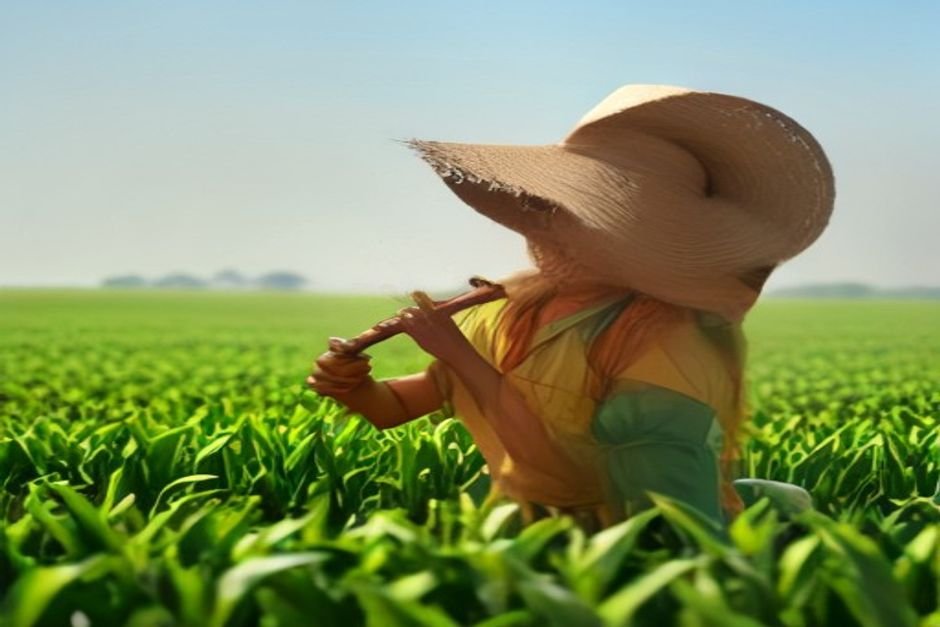
Chithirai marks the beginning of the Tamil calendar year, typically falling in mid-April. This month symbolizes new beginnings, renewal, and the start of fresh endeavors in personal and professional life.
Many Tamil families celebrate Tamil New Year (Puthandu) during this month with new clothes, special meals, and prayers for prosperity and happiness in the coming year.
Vaikaasi and Aani: The Summer and Monsoon Transition
Vaikaasi is characterized by intense heat and is traditionally associated with penance and spiritual practices. Aani marks the arrival of the monsoon, bringing much-needed relief and water to agricultural lands.
These two months together represent a crucial transition period in the Tamil year, bridging the hot dry season with the life-giving rains of the monsoon.
Aadi and Aavani: The Monsoon and Harvest Months
Aadi is considered a challenging month in Tamil tradition, often associated with hardship and caution. Aavani, by contrast, brings the joy of harvest and is filled with agricultural festivals and celebrations.
The transition from Aadi to Aavani symbolizes the triumph of hope and abundance over difficulty, a theme deeply embedded in Tamil cultural values.
Festival Months: Purattasi Through Panguni
From Purattasi through Panguni, the Tamil calendar is marked by major religious festivals and cultural celebrations. Purattasi sees the arrival of autumn and preparations for Navaratri, while Karthikai brings the spectacular Karthikai Deepam festival.
Margazhi is considered the most auspicious month, when classical arts flourish and temples host major cultural events. Thai celebrates the harvest with Pongal, and Masi brings the festive energies of Holi and Maha Shivaratri.
Agricultural Significance of Tamil Month Names
The tamil month names are intrinsically linked to the agricultural calendar of Tamil Nadu. Farmers traditionally depend on these months to determine planting and harvesting schedules, irrigation needs, and crop rotation patterns.
Specific crops are associated with specific months, and the timing of major festivals often coincides with agricultural milestones, ensuring that celebrations align with the natural rhythm of farming cycles.
Quick Facts About the Tamil Calendar
- The Tamil calendar is lunisolar, combining lunar months with solar adjustments for accuracy
- A leap month (Adhik Maas) is added approximately every three years to maintain alignment with seasons
- The Tamil year number is significantly higher than the Gregorian year (currently around 5000+ years old)
- Many traditional rituals and auspicious occasions are determined by specific tamil month names and lunar phases
- The calendar system has remained largely unchanged for over 2,000 years, making it one of the world’s oldest continuous calendars
Regional Variations in Tamil Month Names
While the standard 12-month system is widely used, there are minor regional variations in how different Tamil communities observe and name months. Some regions may emphasize different festivals or agricultural cycles based on local geography and climate conditions.
Tamil Brahmins, farmers, and merchant communities may have historically maintained slight variations in their calendrical practices, though the fundamental structure remains consistent across Tamil culture.
Modern Usage of Tamil Month Names
Even in contemporary Tamil Nadu and among Tamil communities worldwide, traditional month names are still actively used in daily life. Newspapers, astrological services, and cultural organizations regularly reference these months alongside the Gregorian calendar.
For more detailed information on Tamil cultural traditions and calendar systems, see Wikipedia’s Tamil Calendar.
Many Tamil families planning weddings, housewarming ceremonies, and other significant events consult astrological calendars that refer to tamil month names and corresponding lunar positions. Educational institutions also teach these months to preserve cultural awareness among younger generations.
Frequently Asked Questions
What is the first month of the Tamil calendar?
Chithirai is the first month of the Tamil calendar, typically falling between mid-April and mid-May in the Gregorian calendar. It marks the beginning of the Tamil year.
Why do Tamil month names differ from the Gregorian calendar?
Tamil month names are based on a lunisolar calendar system that tracks lunar phases and stellar positions, whereas the Gregorian calendar is purely solar-based. This creates consistent date shifts between the two systems.
How are tamil month names determined?
Tamil month names are derived from prominent constellations (nakshatras), Sanskrit terminology, and astronomical observations made by ancient Tamil scholars. Each name carries cultural and seasonal significance relevant to traditional Tamil life.
Is the Tamil calendar still used today?
Yes, the Tamil calendar remains actively used in Tamil Nadu and among Tamil diaspora communities for religious observances, cultural celebrations, astrology, and agricultural planning. Many newspapers and websites publish both Gregorian and Tamil calendar dates.