

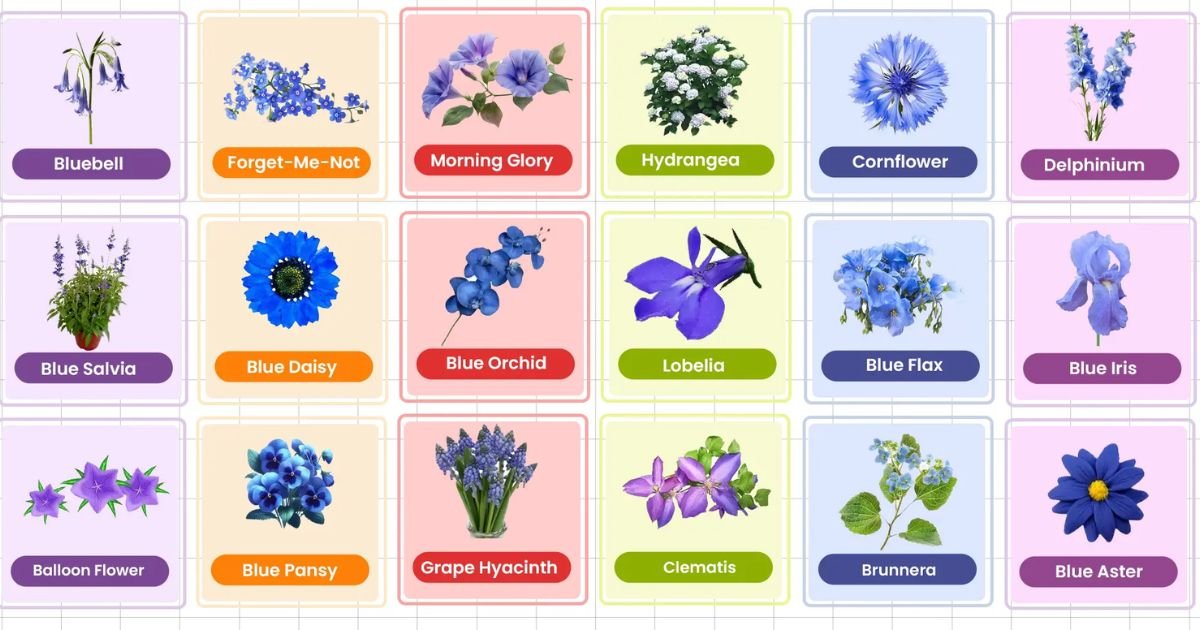
Flower Names in English: A Complete Guide to 50+ Popular Blooms
Understanding flower names in English is essential for gardeners, florists, botanists, and anyone interested in plants. Whether you’re shopping at a florist, planning a garden, or simply expanding your botanical vocabulary, knowing the proper English names of flowers helps you communicate clearly and identify plants accurately. This comprehensive guide covers flower names in English across various categories, from common garden varieties to exotic blooms.
Popular Garden Flower Names in English
Garden flowers are among the most recognizable and widely cultivated blooms worldwide. These flowers are chosen for their beauty, fragrance, and ability to thrive in typical garden conditions.
| Flower Name | Characteristics | Common Colors |
|---|---|---|
| Rose | Symbol of love and beauty with layered petals | Red, pink, white, yellow, purple |
| Tulip | Cup-shaped blooms, spring flowering | Red, yellow, purple, pink, white |
| Daisy | Simple white petals with yellow center | White, pink, yellow |
| Sunflower | Large golden bloom that follows the sun | Yellow, orange, brown |
| Lilac | Fragrant clusters of tiny flowers | Purple, pink, white |
| Lavender | Aromatic purple spikes used in perfume | Purple, blue, pink, white |
| Peony | Large, full blooms with ruffled petals | Red, pink, white, yellow |
| Iris | Distinctive sword-like leaves and unique flower structure | Purple, blue, yellow, white |
Tropical and Exotic Flower Names in English
Tropical flowers bring vibrant colors and unique shapes to gardens and arrangements. These blooms thrive in warm climates and are often featured in special occasions.
- Orchid: Elegant and exotic with a wide variety of species and colors
- Hibiscus: Large, showy flowers with funnel-shaped centers
- Passion Flower: Intricate crown-like structures with dramatic appearance
- Bird of Paradise: Orange and blue blooms resembling a tropical bird
- Anthurium: Waxy, heart-shaped flowers with prominent spadix
- Bougainvillea: Colorful bracts surrounding small true flowers
- Heliconia: Red or orange spike-like flowers in tropical regions
- Plumeria: Fragrant blooms used in Hawaiian leis
Spring Blooming Flower Names in English

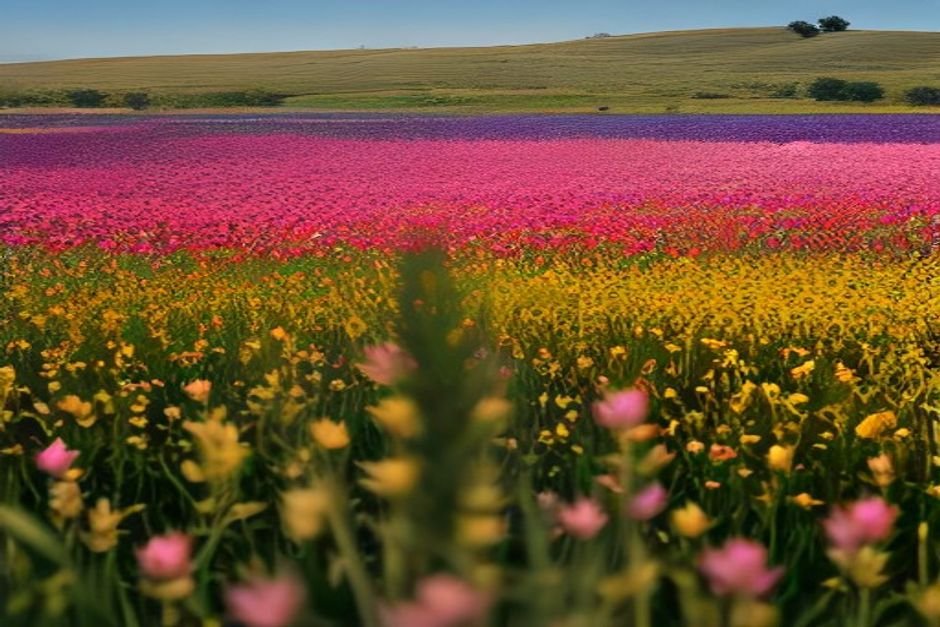
Spring flowers announce the arrival of warmer weather and symbolize renewal and hope. Many are among the earliest bloomers of the year.
Daffodils, also called narcissus, feature yellow or white trumpet-shaped centers surrounded by petal-like petals. Hyacinths produce dense clusters of tiny, fragrant flowers in purple, blue, pink, or white. Crocuses are small early bloomers in shades of purple, yellow, and white that often appear before snow melts completely.
Snowdrops are delicate white bell-shaped flowers with green markings that emerge in late winter. Primrose blooms come in cheerful yellows and bright primary colors. Cherry blossoms create spectacular pink and white displays on fruit trees across temperate regions.
Summer Flowering Varieties of Flower Names in English
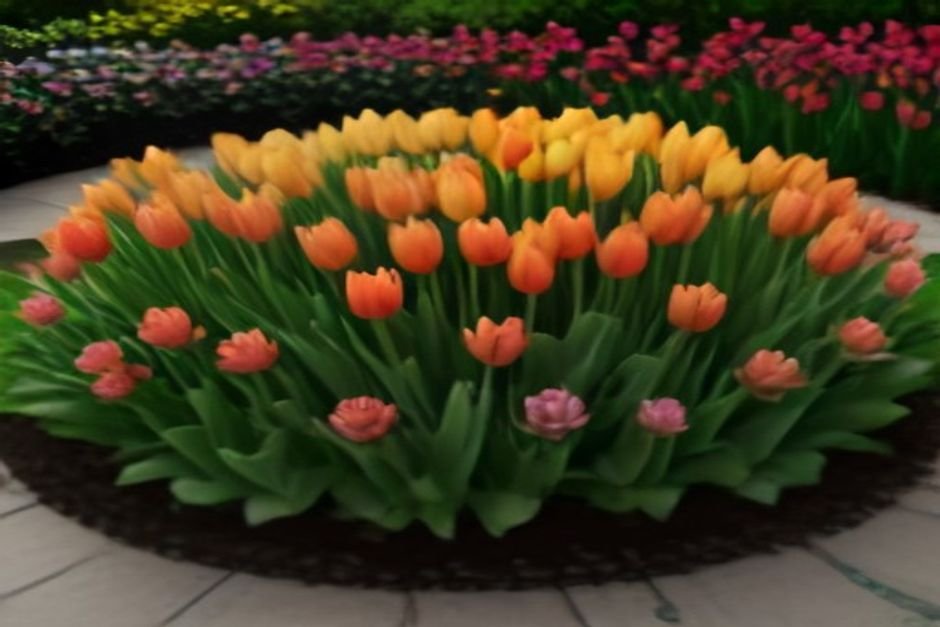
Summer flowers thrive during warm months and provide continuous color throughout the season. These hardy bloomers are perfect for gardens and outdoor arrangements.
- Zinnia: Pompom-shaped flowers in bold, warm colors
- Marigold: Golden and orange blooms with pest-repelling properties
- Gladiolus: Tall spikes of flowers opening progressively from bottom to top
- Cosmos: Delicate, daisy-like flowers on tall, airy stems
- Hollyhock: Tall flower spikes in pink, red, yellow, and white
- Dahlia: Large, complex flowers with many petal arrangements
- Coneflower (Echinacea): Purple or pink petals surrounding an orange-brown cone
- Black-eyed Susan: Golden petals with dark brown or black centers
Autumn and Late-Season Flowers
As summer fades, autumn flowers keep gardens vibrant until winter arrives. These hardy bloomers are essential for extending the growing season’s beauty.
Asters are small daisy-like flowers in purple, pink, and white that bloom abundantly in fall. Chrysanthemums, often called mums, offer full pompom blooms in every warm color. Sedum flowers produce star-shaped blooms in pink, red, and white on succulent plants.
Goldenrod displays bright yellow flower spikes late in the season. Autumn sage provides tubular red or pink flowers attractive to hummingbirds. Japanese anemones create tall, elegant pink or white blooms that extend the garden season.
Fragrant Flower Names in English
Fragrant flowers are prized for their aromatic qualities, which enhance gardens and floral arrangements. Many fragrant flowers are used in perfumery and cosmetics.
- Jasmine: Sweet-smelling white or yellow flowers, often night-blooming
- Gardenias: Creamy white, intensely fragrant waxy blooms
- Lilies: Large, showy flowers with distinctive, strong fragrances
- Hyacinths: Dense flower clusters with potent, sweet scents
- Peonies: Ruffled blooms with rich, complex fragrances
- Tuberose: White night-blooming flowers with intoxicating fragrance
- Roses: Classic fragrant blooms cherished for centuries
- Stock: Tall spikes of densely packed, clove-scented flowers
Climbing and Vining Flower Names in English
Climbing flowers cover walls, fences, and trellises, adding vertical dimension to gardens. These vigorous bloomers are ideal for creating privacy and visual interest in landscape design.
Clematis produces delicate, star-shaped or larger cup-shaped flowers in purple, pink, red, and white. Climbing roses develop long canes that produce abundant blooms. Morning glory creates funnel-shaped blue, purple, or pink flowers that open in early daylight hours.
Honeysuckle features small, tubular fragrant flowers in cream, yellow, or red that attract hummingbirds. Wisteria produces cascading purple or white flower clusters in spectacular displays. Ivy flowers are small and inconspicuous but eventually develop into berries attractive to birds.
Bulb Flower Names in English
Bulb flowers grow from underground storage structures that provide energy for blooming. Most bulb flowers are spring bloomers, though some varieties flower in other seasons.
- Daffodil: Yellow or white trumpet-centered flowers
- Tulip: Cup-shaped spring blooms in numerous colors
- Crocus: Small early-spring flowers in vibrant colors
- Allium: Spherical purple flower heads composed of many tiny florets
- Bluebell: Delicate blue bell-shaped flowers in woodland settings
- Snowdrop: White pendulous bell flowers in late winter
- Gladiolus: Tall spikes of flowers in vibrant colors
- Lily: Large showy flowers with prominent stamens and fragrance
Wildflower Names in English
Wildflowers grow naturally in uncultivated areas and are essential for supporting pollinators and local ecosystems. Many wildflowers are now cultivated in gardens for their charm and ecological benefits.
Lupines produce tall spikes of purple, blue, pink, or white flowers. Poppies create bright red, orange, pink, or yellow paper-thin petals. Bluebells carpet woodland floors with delicate blue blooms in spring.
Buttercups display glossy yellow petals that reflect light. Daisies are classic wildflowers with white petals and yellow centers. Foxgloves create tall spires of spotted tubular flowers in purple, pink, or white.
Seasonal Celebration Flowers
Certain flowers have become associated with holidays and special occasions throughout the year. These flowers carry cultural significance and traditional meanings.
Poinsettias with their red bracts dominate Christmas displays across North America. Daffodils symbolize spring renewal and Easter celebrations. Sunflowers represent happiness and positivity, popular for summer gatherings and fall decorations.
Chrysanthemums are traditional autumn flowers used in many cultures’ memorial occasions. Amaryllis brings festive red and white blooms to winter holidays. Lilies are popular for Easter services and spiritual celebrations in many religions.
For more on botanical flower terminology and plant classification, see Wikipedia’s Flower Article.
Frequently Asked Questions
What are the most popular flower names in English?
The most popular flowers include roses, tulips, daisies, sunflowers, and lilies. These flowers are widely cultivated, commonly used in arrangements, and recognized worldwide.
How do flower common names differ from botanical names?
Common names like “rose” are used in everyday language, while botanical names use Latin scientific nomenclature for precise plant identification. Botanical names are standardized internationally for accuracy.
Why is it important to know flower names in English?
Knowing flower names helps you communicate with florists, gardeners, and botanists clearly, ensures you purchase or plant the correct species, and enhances your understanding of plant identification and botanical diversity.
Are flower names the same in all English-speaking countries?
Most common flower names are consistent across English-speaking countries, though some regional variations exist. For example, “Michaelmas daisy” in Britain is called “aster” in North America.