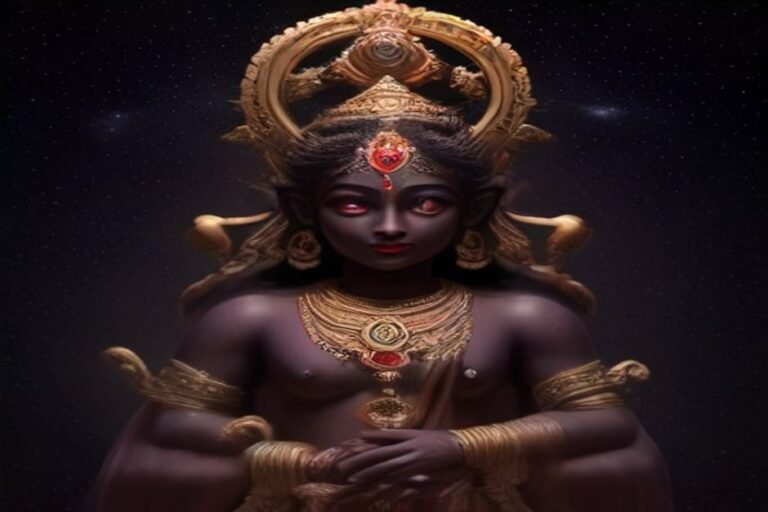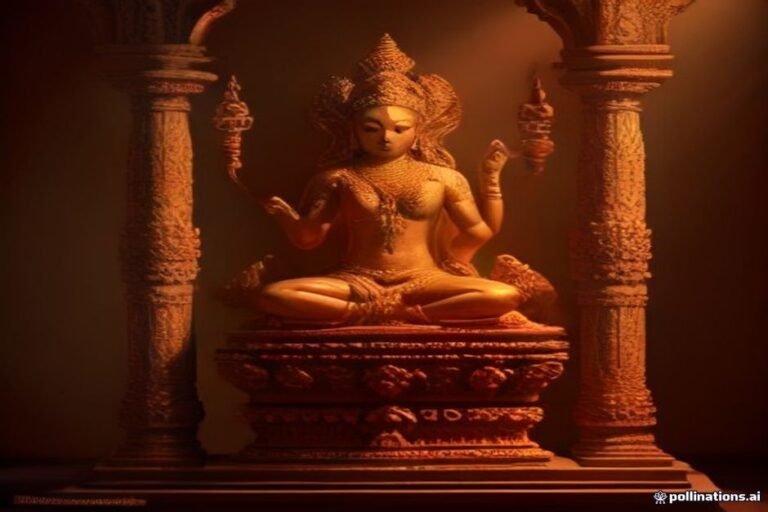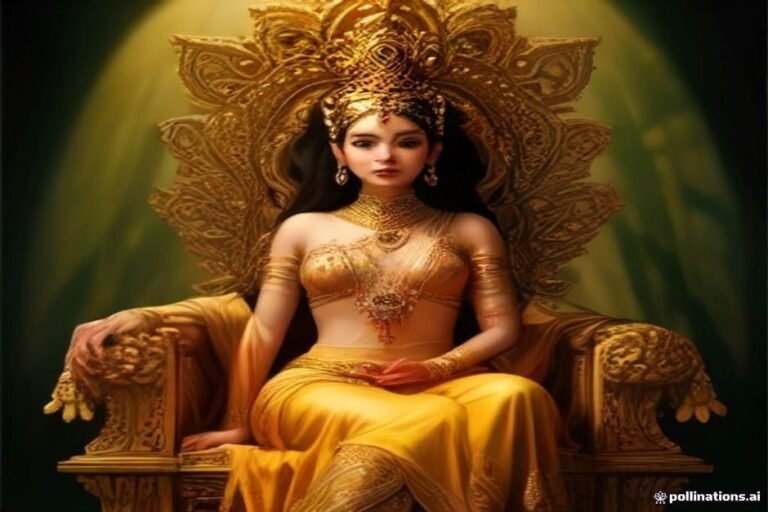

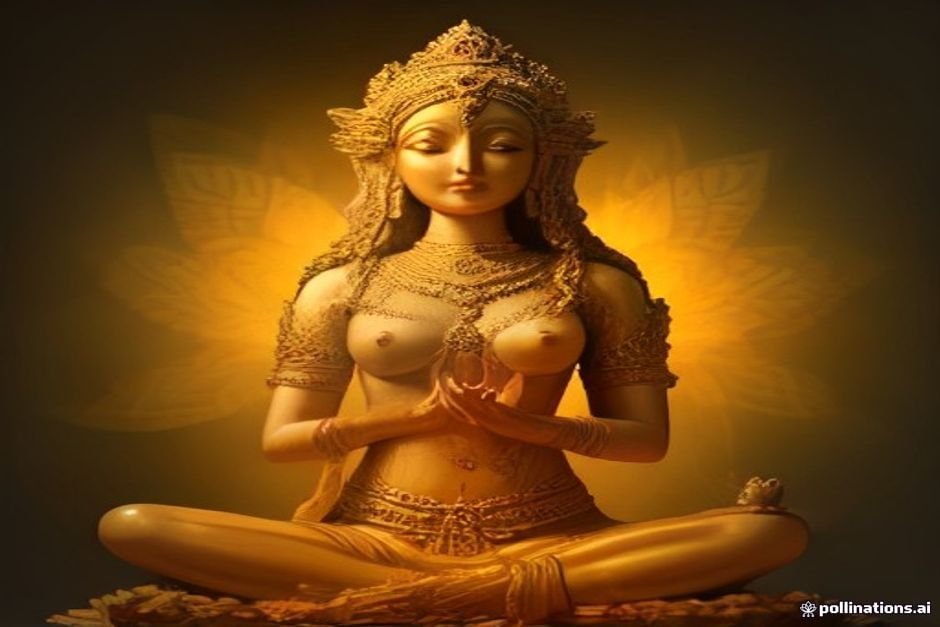
Parvathi Devi Names In Telugu: 150+ Sacred Names of the Divine Mother
Parvathi Devi, the supreme mother goddess in Hindu tradition, is known by countless sacred names across Indian languages and texts. The parvathi devi names in telugu tradition celebrates her divine forms, powers, and attributes through beautiful devotional nomenclature. In Telugu culture, these names carry deep spiritual significance and are used in prayers, rituals, and naming ceremonies.
Significance of Parvathi Devi Names in Telugu
Parvathi is revered as the cosmic mother, consort of Lord Shiva, and the embodiment of Shakti (divine energy). Each name reflects a specific aspect of her divine nature, from her gentle nurturing form to her fierce protective manifestation.
In Telugu-speaking regions of South India, these names form an integral part of spiritual practice and cultural identity. Devotees use these names in hymns, meditations, and while naming their daughters as an auspicious practice.
Parvathi Devi Names In Telugu: Primary Sacred Names
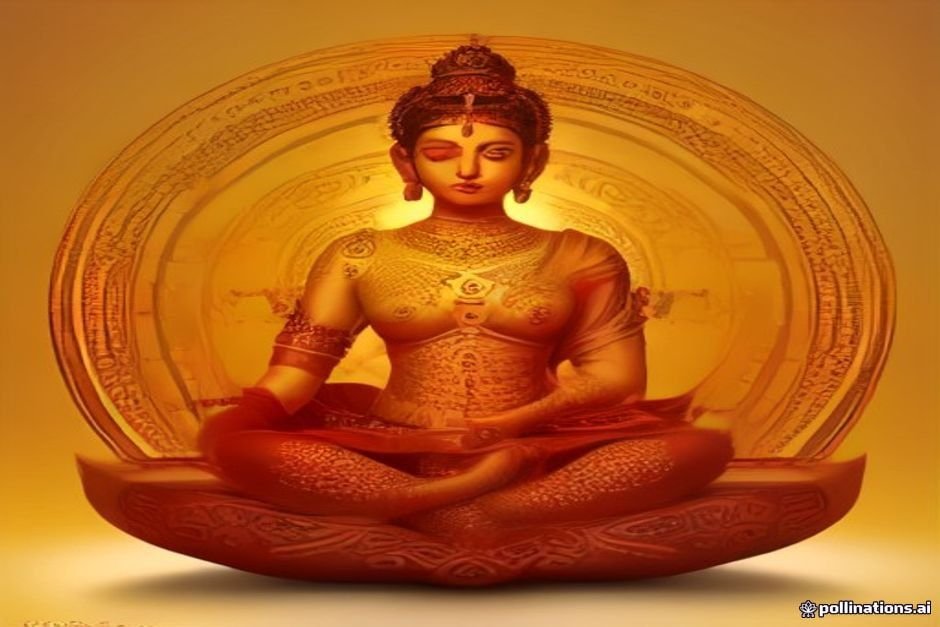
The Most Revered Forms
- పర్వతీ (Parvati) – Daughter of the mountain
- అమ్మవారు (Ammavaru) – Revered mother
- గౌరీ (Gauri) – Golden, fair complexioned
- శక్తి (Shakti) – Divine cosmic energy
- సతీ (Sati) – The virtuous one
- హిమవతీ (Himavati) – Daughter of the Himalayas
- అంబిక (Ambika) – The mother
- దేవీ (Devi) – The goddess
- భవానీ (Bhavani) – The giver of life
- ఉమ (Uma) – Splendor, light
- నీలలోహిత (Neelaloha) – With blue and red complexion
- త్రిపుర సుందరీ (Tripura Sundari) – Beautiful goddess of three worlds
- సుభగా (Subhaga) – Auspicious, blessed one
- సుమంగళీ (Sumangali) – Most auspicious
- సర్వమంగళ (Sarva Mangal) – Welfare of all
- కన్యక (Kanyaka) – The eternal virgin
- ఘటిని (Ghatini) – One within the jar of body
- జ్ఞానదా (Jnanada) – Giver of knowledge
- శివానంది (Shivanandi) – Mother of Shiva and his bliss
- శివశక్తి (Shiva Shakti) – Power of Shiva
Names Representing Her Compassionate Form
- కరుణామయీ (Karunamayee) – Full of compassion
- దయామయీ (Dayamayee) – Embodiment of mercy
- ప్రేమరూపిణీ (Premarupini) – Form of pure love
- చిందమణీ (Chindamani) – Wish-fulfilling jewel
- కామకుండ (Kama Kunda) – Reservoir of desires
- సర్వవాంఛితా (Sarva Vanchita) – Fulfiller of all desires
- సర్వసిద్ధిప్రదా (Sarva Siddhi Prada) – Bestower of all perfections
- సర్వవీరప్రదాయిని (Sarva Veer Pradayini) – Giver of courage to all
- సర్వవ్యాధిహరీ (Sarva Vyadhi Hari) – Destroyer of all diseases
- సర్వపాపహరీ (Sarva Papa Hari) – Remover of all sins
- సర్వానందదాయిని (Sarva Anand Dayini) – Bestower of bliss to all
- అభయప్రదా (Abhaya Prada) – Giver of fearlessness
- శాంతిదాయిని (Shanti Dayini) – Giver of peace
- సంతుష్టిప్రదా (Santusti Prada) – Bestower of contentment
- ఆనందరూపిణీ (Ananda Rupini) – Form of bliss
Names Representing Her Fierce Divine Power
- కాళీ (Kali) – The dark one, destroyer of evil
- దుర్గా (Durga) – Invincible fortress
- చండీ (Chandi) – The fierce one
- కాలీమాత (Kali Mat) – Dark mother
- భైరవీ (Bhairavi) – The terrifying one
- చాముండా (Chamunda) – Destroyer of demons
- మహిషమర్దిని (Mahishamardini) – Slayer of the buffalo demon
- శుంభనిశుంభ హంత్రీ (Shumbha Nishumbha Hantri) – Destroyer of Shumbha and Nishumbha
- రక్తబీజ నిరసని (Raktabeej Nirasani) – Annihilator of Raktabeej
- మధు కైటభ హారిణీ (Madhu Kaitabha Harini) – Slayer of Madhu and Kaitabha
- నరసింహీ (Narasimhi) – The lion-faced goddess
- వారాహీ (Varahi) – The boar-faced form
- నారసింహీ (Narasimhi) – The man-lion goddess
- సింహవాహిని (Simha Vahini) – Rider of the lion
- ఆగ్నీ (Agni) – Destroyer with fire
Names from Devi Mahatmya and Sacred Texts
- సప్తశతీ (Saptashati) – Seven hundred names
- సిద్ధిదాత్రీ (Siddhidatri) – Giver of supernatural powers
- భక్తవత్సలా (Bhakta Vatsala) – Affectionate to devotees
- జగన్మాత (Jagat Mat) – Mother of the universe
- జగద్ధాత్రీ (Jagad Dhatri) – Sustainer of the world
- ధర్మరక్షక (Dharma Rakshak) – Protector of righteousness
- సర్వయోగీశ్వరీ (Sarva Yogi Ishvari) – Mistress of all yogis
- సర్వమంత్ररూపిణీ (Sarva Mantra Rupini) – Embodiment of all mantras
- సర్వతంత్రరూపిణీ (Sarva Tantra Rupini) – Form of all tantric sciences
- ధర్మదా (Dharma Da) – Giver of dharma
- సర్వవిద్యారూపిణీ (Sarva Vidya Rupini) – Embodiment of all knowledge
- సర్వశక్తిరూపిణీ (Sarva Shakti Rupini) – Form of all powers
- సర్వరూపిణీ (Sarva Rupini) – All forms
- సర్వేశ్వరీ (Sarveshvari) – Goddess of all
- సర్వదర్శీ (Sarva Darshi) – Seer of all
Names Related to Her Roles and Relationships
- శివపత్నీ (Shiva Patni) – Wife of Shiva
- శివానార్థనాయిని (Shiva Ardhanayini) – Half of Shiva’s body
- శివమూర্తిని (Shiva Murti) – Form of Shiva
- గణేశమాత (Ganesha Mat) – Mother of Ganesha
- కార్తికేయమాత (Kartikeya Mat) – Mother of Kartikeya
- కార్త్తిక యమాత (Kartik Mata) – Mother of Skanda
- అందహారిణీ (Ananda Harini) – One who takes away bliss to give higher bliss
- నందనీ (Nandani) – Daughter of Nanda
- మేనక సుత (Menaka Suta) – Daughter of Menaka
- హిమవత్కన్య (Himavat Kanya) – Daughter of Himavat
- విష్ణువల్లభా (Vishnu Vallabha) – Beloved of Vishnu
- బ్రహ్మచారిణీ (Brahmacharini) – Student of Brahma’s knowledge
- విద్యాదాత్రీ (Vidya Datri) – Giver of knowledge
Names Based on Her Divine Attributes and Powers
- సిద్ధిదా (Siddhi Da) – Giver of achievement
- సర్వవీరత్వదా (Sarva Veeratva Da) – Giver of courage
- శక్తిరూపిణీ (Shakti Rupini) – Embodiment of power
- చేతన (Chetan) – Consciousness
- ఆనందరూపిణీ (Ananda Rupini) – Form of eternal bliss
- సత్యరూపిణీ (Satya Rupini) – Form of truth
- జ్ఞానరూపిణీ (Jnana Rupini) – Form of wisdom
- తపస్రూపిణీ (Tapas Rupini) – Form of austerity
- భక్తిరూపిణీ (Bhakti Rupini) – Form of devotion
- ఆయుర్దా (Ayur Da) – Giver of long life
- సौభాగ్యదా (Saubhagya Da) – Bestower of fortune
- సుఖదా (Sukh Da) – Giver of happiness
- మోక్షదా (Moksha Da) – Giver of liberation
- తారిణీ (Tarini) – Savior, one who rescues
- భవతారిణీ (Bhava Tarini) – Savior from cycle of birth and death
Names Associated with Sacred Locations and Pilgrimages
- కైలాసవాసిని (Kailasa Vasini) – Dweller of Mount Kailash
- వారాణసీ నిలయిని (Varanasi Nilayini) – Resident of Varanasi
- చిదంబరనిలయిని (Chidambara Nilayini) – Resident of Chidambaram
- మీనాక్షీ (Meenakshi) – Fish-eyed goddess of Madurai
- కామాక్షీ (Kamakshi) – Goddess of Kanchipuram
- చామండేశ్వరీ (Chamundeshvari) – Goddess of Chamundi Hills
- యెల్లమ్మ (Yellamma) – Yellow mother of South India
- కన్నకమ్మ (Kannakamma) – Virgin goddess
- మరియమ్మ (Mariyamma) – Plague averting mother
- ఆంజనేయమాత (Anjaneya Mat) – Mother of Hanuman
- చాముండీ (Chamundi) – Goddess of Mysore
- పద్మాంబా (Padmamba) – Lotus mother
- చిత్రగుప్తపత్నీ (Chitragupta Patni) – Wife of Chitragupta
Names Reflecting Her Cosmic and Universal Nature
- విశ్వమాత (Vishva Mat) – Mother of the universe
- సృష్టిదాత్రీ (Srishti Datri) – Creator of universe
- సంహారిణీ (Samharani) – Dissolver of creation
- సంరక্షణిని (Samrakshani) – Preserver of all
- కాలీ (Kali) – Eternal time personified
- పరమభట్టారక (Parama Bhattarika) – Supreme goddess
- పరమేశ్వరీ (Parameshvari) – Highest goddess
- పరా (Para) – The supreme
- పరాశక్తి (Para Shakti) – Supreme energy
- ఎటర్నల్ కన్సియస్ నెస్ (Eternal Consciousness) – Beyond all time
- ఎటర్నల్ లైట్ (Eternal Light) – Eternal illumination
- మూల శక్తి (Mool Shakti) – Original power
- సర్వమయీ (Sarva Mayi) – All-pervading
- సర్వాన్తర్యామిని (Sarva Antaryamini) – Dweller in all beings
Additional Sacred Names in Telugu Tradition
- శ్రీమాత (Shri Mat) – Auspicious mother
- లక్ష్మీ (Lakshmi) – Goddess of wealth
- సరస్వతీ (Saraswati) – Goddess of learning
- సీతా (Sita) – Furrow, earthly manifestation
- రాధా (Radha) – Divine love
- పద్ममిని (Padmamini) – Lotus-faced one
- పద్మవాసిని (Padma Vasini) – Dweller of lotus
- చక్రేశ్వరీ (Chakreshvari) – Goddess of the chakras
- కుండలినీ (Kundalini) – Coiled serpent energy
- తారారూపిణీ (Tara Rupini) – Form of the star
- నక్షత్రరూపిణీ (Nakshatra Rupini) – Form of the constellation
- చంద్రరూపిణీ (Chandra Rupini) – Form of the moon
- సూర్యరూపిణీ (Surya Rupini) – Form of the sun
- అగ్నిరూపిణీ (Agni Rupini) – Form of fire
- వాయురూపిణీ (Vayu Rupini) – Form of wind
- జలరూపిణీ (Jal Rupini) – Form of water
- ఆకాశరూపిణీ (Akash Rupini) – Form of ether
- బ్రహ్మరూపిణీ (Brahma Rupini) – Form of Brahma
- విష్ణురూపిణీ (Vishnu Rupini) – Form of Vishnu
- రుద్ररూపిణీ (Rudra Rupini) – Form of Rudra
How to Use These Sacred Names

These Telugu names of Parvathi Devi can be used in daily prayers, meditation, and ritual worship. Many parents select these names for their daughters as a blessing, connecting them to divine qualities and spiritual protection.
Chanting these names with devotion is believed to invoke the blessings of the goddess and deepen one’s spiritual practice. For more on Hindu goddess names and their significance, see Wikipedia on Parvati.
Also read ಹಿಂದೂ Baby Girl Names Kannada: 180+ Traditional and Modern Sacred Names.
Frequently Asked Questions
What is the significance of Parvathi Devi?
Parvathi Devi is the supreme mother goddess, consort of Shiva, and embodiment of divine energy. She represents compassion, fertility, and the creative force of the universe.
Can these names be used for baby girls?
Yes, many of these names are traditionally used for naming baby girls in Telugu families as they carry blessings and divine protection.
Which is the most popular name of Parvathi Devi?
Gauri (fair complexioned) and Durga (invincible) are among the most widely recognized and used names of Parvathi Devi across India.
Where do these names come from?
These names originate from ancient Sanskrit texts, Puranas, Tantras, and regional Telugu devotional literature that describe the goddess’s attributes and forms.
How many names does Parvathi Devi have?
According to various texts and traditions, Parvathi Devi is said to have 108 or more names, each representing different aspects of her divine nature.
What does Parvathi mean?
Parvathi means “daughter of the mountain” (Parvat = mountain), referring to her birth as the daughter of the Himalayas.
Understanding the parvathi devi names in telugu tradition deepens our connection to Hindu spirituality and celebrates the divine feminine principle in South Indian culture.