Navagraha in Temple With Names: Complete Guide to the Nine Celestial Bodies
The navagraha in temple with names represents one of the most sacred and integral aspects of Hindu temple worship and Vedic astrology. These nine celestial bodies—known as the navagraha in Sanskrit—hold profound spiritual and astronomical significance in Hindu philosophy and are prominently featured in temple architecture and rituals across India.
Understanding the navagraha requires knowledge of their names, their associated deities, their positions in temples, and their astrological meanings. Each of the nine planets is believed to influence human destiny and the natural world, making them central to both religious observance and personal horoscope calculations.
What Are the Navagraha?
The term “navagraha” literally means “nine planets” or “nine celestial bodies.” In Hindu astrology and temple practice, these nine entities are worshipped to seek blessings, ward off negative influences, and ensure harmony in life.
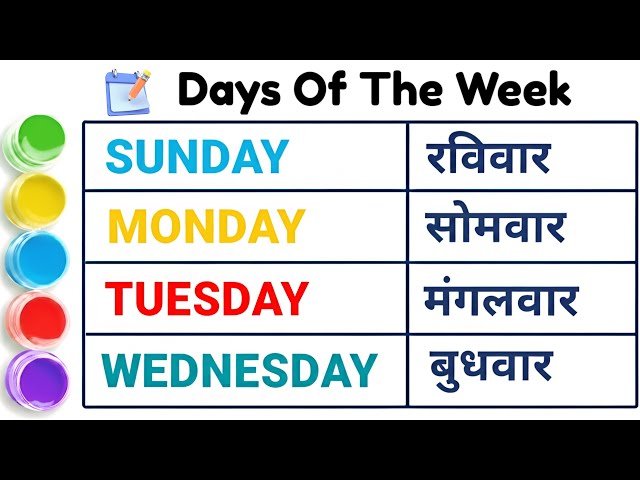
The navagraha are not limited to the eight planets recognized by modern astronomy. They include the Sun (Surya), Moon (Chandra), Mars (Mangal), Mercury (Budh), Jupiter (Brihaspati), Venus (Shukra), Saturn (Shani), and two lunar nodes: Rahu and Ketu.
Each planet has a presiding deity, a specific day of the week associated with it, and a symbolic position within the temple and cosmic order. Temples dedicated to or featuring the navagraha often have specific shrines or sections devoted to each planet.
Navagraha in Temple With Names: The Nine Planets Explained
Surya (The Sun)
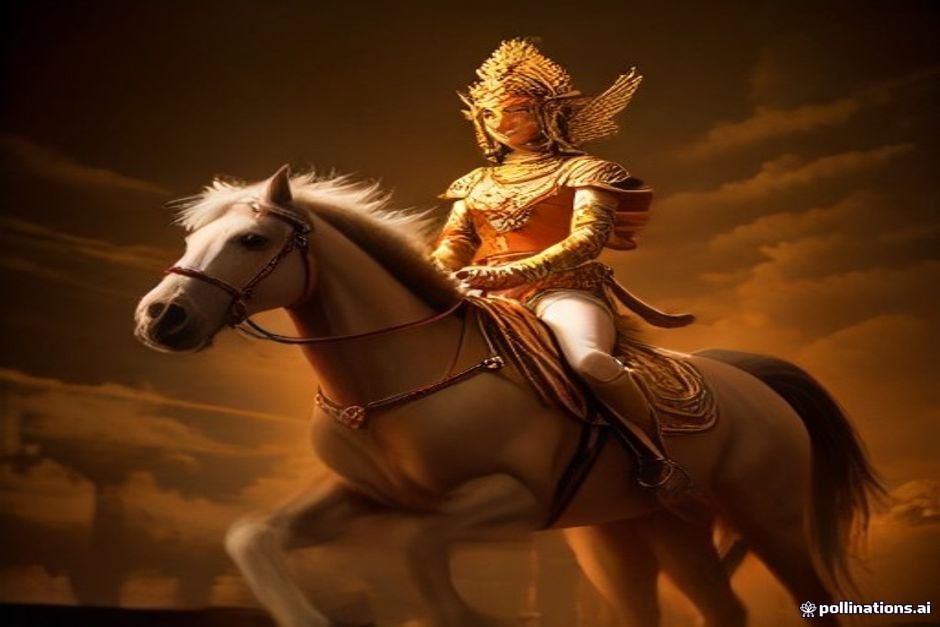
Surya is the Sun God and the first and most powerful of the navagraha. He represents vitality, energy, authority, and spiritual illumination in Hindu philosophy.
Surya is traditionally worshipped on Sundays and is associated with the color red or golden yellow. In temples, Surya is often depicted in a chariot drawn by seven horses, symbolizing the seven days of the week and the seven colors of light.
Worshipping Surya is believed to bring health, success, and divine favor. Many temples have dedicated Surya shrines where devotees offer water and prayers during sunrise.
Chandra (The Moon)
Chandra, the Moon God, represents the mind, emotions, motherhood, and inner peace. Monday is dedicated to Chandra worship in the Hindu calendar.
Chandra is depicted as a gentle, benevolent deity who governs the night and protects travelers. The color associated with Chandra is white or pale silver, and the metal is silver.
Worshipping Chandra is believed to calm the mind, strengthen relationships, and bring emotional stability. Many devotees perform moon-gazing rituals and offer milk-based offerings to Chandra.
Mangal (Mars)
Mangal, the planet Mars, is associated with courage, strength, aggression, and conflict in Vedic astrology. Tuesday is the day dedicated to Mangal.
Mangal is represented by the color red and is believed to govern physical strength and warrior energy. In temples, Mangal is sometimes depicted with a fierce appearance to reflect his powerful nature.
Worshipping Mangal is sought to overcome obstacles, build confidence, and gain victory in challenges. Many individuals born under challenging Mars placements seek Mangal remedies through temple rituals.
Budh (Mercury)
Budh, the planet Mercury, represents intelligence, communication, commerce, and analytical thinking. Wednesday is dedicated to Budh in the Hindu calendar.
Budh is associated with the color green or yellow-green and governs speech, learning, and business acumen. Budh is often depicted as a youthful, intelligent figure in temple iconography.
Worshipping Budh is believed to enhance intelligence, improve communication skills, and bring success in business and academics. Students and professionals often seek Budh’s blessings in temples.
Brihaspati (Jupiter)
Brihaspati, also known as Guru or Jupiter, is the largest planet and is considered the most benefic of all the navagraha. Thursday is the day dedicated to Brihaspati worship.
Brihaspati represents wisdom, knowledge, prosperity, abundance, and spiritual growth. He is associated with the color yellow or gold and is often depicted as a wise, benevolent sage.
Worshipping Brihaspati is believed to bring prosperity, good fortune, and spiritual enlightenment. Many temples have elaborate Brihaspati shrines where devotees seek blessings for wealth and wisdom.
Shukra (Venus)
Shukra, the planet Venus, represents beauty, love, fertility, creativity, and material pleasures. Friday is the day dedicated to Shukra in the Hindu calendar.
Shukra is associated with the color white, pink, or light blue and governs artistic expression, relationships, and sensory enjoyment. Shukra is often depicted with a youthful, attractive appearance in temple art.
Worshipping Shukra is believed to enhance creativity, improve relationships, and bring beauty and comfort into life. Devotees seeking improvement in their social and romantic lives often turn to Shukra worship.
Shani (Saturn)
Shani, the planet Saturn, is perhaps the most feared of the navagraha, as he is associated with karma, discipline, limitation, and hardship. Saturday is the day dedicated to Shani.
Shani is represented by the color black or dark blue and is believed to test and purify through hardship. Despite his fearsome reputation, Shani is worshipped with great respect for his capacity to teach and transform.
Worshipping Shani is believed to reduce negative karmic effects and bring eventual relief from difficulties. Many temples have Shani shrines where devotees light oil lamps and seek protection from Saturn’s challenging influences.
Rahu (The North Lunar Node)
Rahu, one of the two lunar nodes, represents ambition, obsession, illusion, and worldly desires. Rahu does not correspond to a specific day but is considered a shadowy planet in Vedic astrology.
Rahu is depicted with the head of a serpent or demon and is associated with the color dark blue or black. Despite his negative connotations, Rahu is worshipped for spiritual transformation and liberation from illusions.
Worshipping Rahu is believed to help manage obsessive tendencies and transform worldly desires into spiritual pursuits. Rahu remedies are often recommended by astrologers for those experiencing Rahu-related challenges.
Ketu (The South Lunar Node)
Ketu, the second lunar node, represents detachment, spirituality, liberation, and the tail of the serpent. Like Rahu, Ketu does not have a specific weekday but is considered significant in Vedic astrology.
Ketu is depicted as a serpent without a head and is associated with the color gray, brown, or dark green. Ketu represents spiritual awakening and liberation from material attachments.
Worshipping Ketu is believed to enhance spiritual practice, provide liberation from past karmic patterns, and grant moksha or spiritual freedom. Many spiritual seekers and monks turn to Ketu worship for deeper spiritual understanding.
Navagraha Placement in Temples
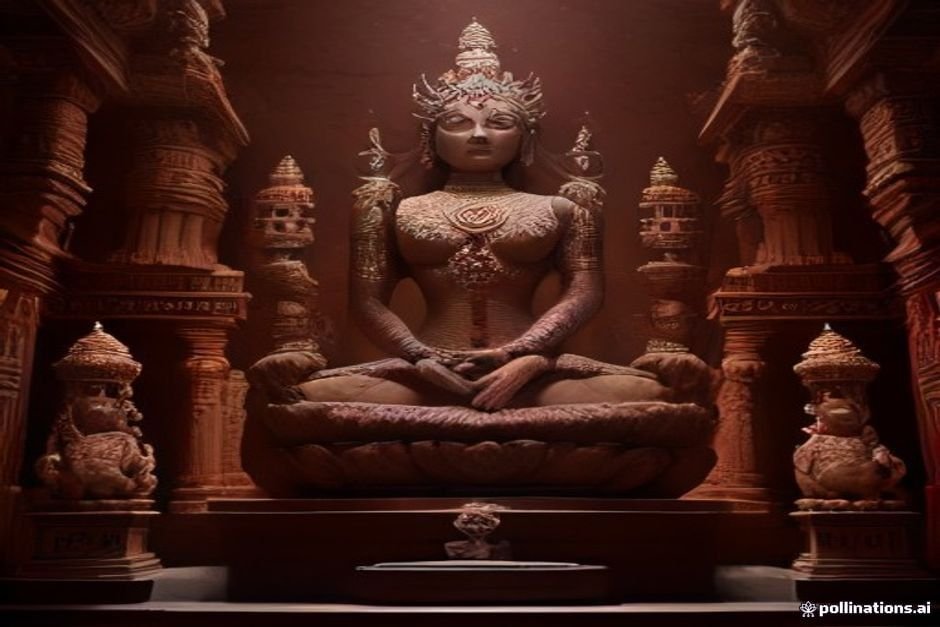
Traditional Hindu temples often feature the navagraha arranged in specific patterns and locations. The most common arrangement places the nine deities in a dedicated shrine or gallery section within the temple complex.
In many South Indian temples, the navagraha are placed in a circular or rectangular pattern, with each planet positioned according to astrological principles. Some temples have individual shrines for each planet, while others house them together in a single chamber.
The placement of navagraha in temples serves both spiritual and astrological purposes, creating a sacred space where devotees can approach each planet deity individually or collectively.
Temple Rituals and Worship Practices
Navagraha worship in temples involves specific rituals, offerings, and prayers performed according to Vedic traditions. Each planet has unique rituals associated with it, often performed on specific days of the week.
Common offerings to the navagraha include flowers, incense, oil lamps, fruits, grains, and prayers. Devotees often visit temples on days associated with their birth planet or during astrologically significant periods.
Many temples perform elaborate navagraha pujas (worship ceremonies) during festivals and special occasions. These rituals are believed to harmonize planetary influences and bring blessings to the community.
Astrological Significance and Remedies
In Vedic astrology, the positions and movements of the navagraha are believed to influence individual destinies and life events. Unfavorable planetary positions can be remedied through temple worship, specific rituals, and lifestyle practices.
Temple priests and astrologers often recommend navagraha worship for individuals experiencing challenges related to specific planets. These remedies may include visiting navagraha temples, performing pujas, chanting mantras, or wearing specific gemstones.
The concept of planetary remedies through temple worship reflects the deep integration of astrology, spirituality, and daily life in Hindu culture.
How to Choose a Great Navagraha Temple Experience
- Visit temples with well-maintained navagraha shrines and knowledgeable priests who can guide you through the rituals and meanings of each planet.
- Consult your birth horoscope or speak with an astrologer to identify which planets need your special attention and worship.
- Timing matters: visit specific planet shrines on their associated days of the week for enhanced spiritual benefits.
- Learn the mantras and prayers associated with each navagraha so you can participate meaningfully in worship rather than just observing.
- Offer genuine and appropriate gifts such as flowers, fruits, or oils rather than expensive or ornate gifts that may feel insincere.
- Approach the navagraha with a clear intention and respectful mindset, focusing on spiritual growth rather than seeking material gains alone.
For more on Hindu celestial deities and Vedic astrology traditions, see Wikipedia’s Navagraha article.
If you’re interested in sacred names and their meanings, you might also explore Pancharamalu Names: 120+ Sacred Divine Names and Their Meanings to deepen your understanding of Hindu sacred naming traditions.
Frequently Asked Questions
Why are the navagraha important in Hindu temples?
The navagraha represent the nine celestial bodies believed to influence human destiny and life events in Hindu philosophy. Their worship in temples is meant to harmonize these planetary influences and bring blessings to devotees.
What is the best day to visit a navagraha temple?
Each planet has an associated day: Sunday for Surya, Monday for Chandra, Tuesday for Mangal, and so on. Visiting on the day corresponding to your birth planet or the planet you need support from is traditionally considered most effective.
Can anyone worship the navagraha regardless of their beliefs?
Yes, while navagraha worship is rooted in Hindu tradition, many temples welcome visitors of all faiths to observe and participate respectfully. Temple etiquette and cultural sensitivity should always be maintained.
What offerings are most appropriate for navagraha worship?
Flowers, incense, oil, fruits, grains, and water are traditional offerings. Each planet may have specific preferred offerings—for example, milk for Chandra and oil for Shani—which temple priests can guide you on.