Krishna names hold profound spiritual significance in Hindu philosophy and devotional practice. Lord Krishna, known as one of the most revered deities in Hinduism, is celebrated through numerous names that reflect his divine attributes, pastimes, and cosmic role. Understanding these krishna names deepens devotional practice and connection to the divine.
The Significance of krishna names in Hindu Tradition
Each of Krishna’s names carries deep spiritual meaning and represents different aspects of his divine nature. These names are derived from ancient scriptures including the Bhagavad Gita, Brahma Vaivarta Purana, and various other sacred texts. Chanting and meditating on krishna names is considered a powerful practice in bhakti yoga tradition.
The practice of reciting these divine names is believed to purify the mind and elevate consciousness. Devotees use these names in prayers, rituals, and daily spiritual practices across India and among Hindu communities worldwide.
Krishna’s Primary and Most Revered Names
The following names represent Krishna’s most essential divine identities:
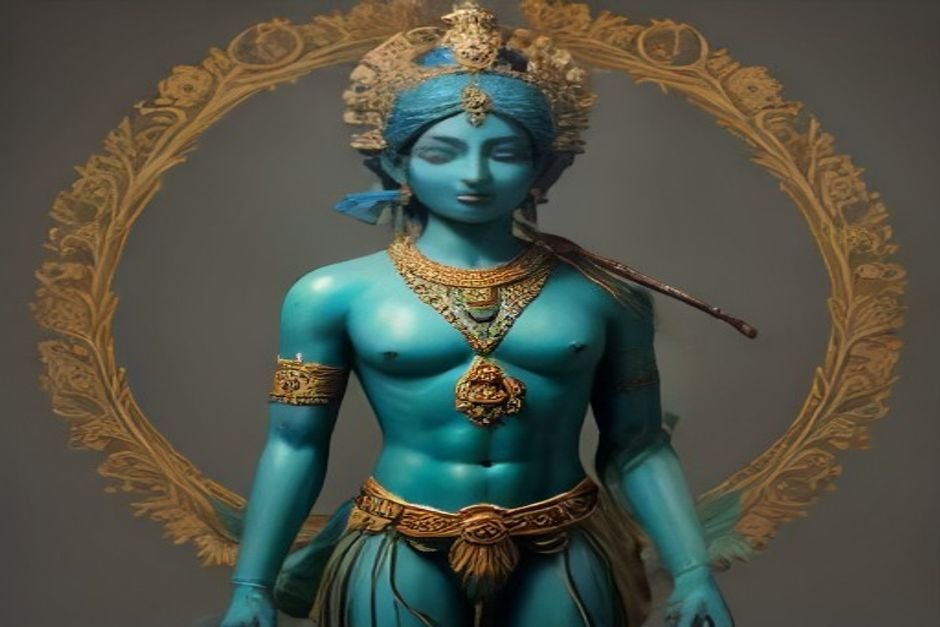
Krishna (dark blue, attractive one)
Govinda (finder of cows, protector)
Gopala (protector of cows, pastoral deity)
Mukunda (giver of liberation)
Madhava (husband of Lakshmi, sweet one)
Hari (remover of sins, lion)
Keshava (one with beautiful hair)
Narayana (ultimate refuge, supreme being)
Janardana (destroyer of enemies, protector)
Vasudeva (divine father, universal soul)
Devaki-nandana (son of Devaki)
Balarama’s younger brother (incarnation context)
Yadukulanatha (lord of Yadu dynasty)
Vrindavana-vilasini (resident of Vrindavan)
Yashoda-nandana (son of Yashoda)
Divine Names from the Brahma Vaivarta Purana
The Brahma Vaivarta Purana describes numerous aspects of Krishna’s divine nature through specific names:
Vishnu (all-pervading, supreme)
Mahavishnu (great pervader)
Adi-Purusha (primordial person)
Sat-Chit-Ananda (being, consciousness, bliss)
Brahman (ultimate reality)
Paramatman (supreme soul)
Yogeshvara (master of yoga)
Bhagavan (supreme lord)
Sarva-Shakti-Man (all-powerful)
Ananta (infinite, limitless)
Akshara (indestructible)
Sat (eternal truth)
Chit (pure consciousness)
Ananda (supreme bliss)
Ramakrishna (enchanting lord)
Names Related to Krishna’s Pastimes and Childhood
These names celebrate Krishna’s divine play and activities in Vrindavan and Mathura:
Banke-Bihari (supreme enjoyer, enchanter)
Nandanandana (son of Nanda, cowherd chief)
Gopal (cowherd protector)
Radha-Vallabha (beloved of Radha)
Kishor-Mohan (enchanting youth)
Lila-Madhava (playful supreme lord)
Rasa-Raja (king of divine love)
Leela-Mohan (charming in divine play)
Madan-Mohan (cupid of cupids, enchanter)
Keshava-Sundara (beautiful with lovely curls)
Yasoda-Pati (held by Yashoda)
Putana-Maraka (destroyer of Putana)
Kaliya-Damanaka (subduer of Kaliya serpent)
Govardhan-Dhari (lifter of Govardhan mountain)
Gopi-Priya (beloved of the gopis)
Names Describing Krishna’s Divine Forms and Powers
These names emphasize Krishna’s transcendental qualities and cosmic manifestations:
Parameshvara (supreme lord)
Maheshvara (great lord)
Purushottama (supreme person)
Bhushundi-Priya (beloved by learned devotees)
Caitanya (consciousness incarnate)
Parabrahma (transcendental ultimate reality)
Sat-Sat-Sat (eternally existing)
Ananda-Sagara (ocean of bliss)
Lila-Vigraha (embodiment of divine play)
Sarva-Devata-Namaskrita (worshipped by all gods)
Tri-Bhuvana-Pati (lord of three worlds)
Kala-Rupini (form of time)
Karanaja (born from cosmic egg)
Hrishikesha (master of senses)
Adhokshaja (transcendent, beyond perception)
Names from the Bhagavad Gita and Vedic Texts
The Bhagavad Gita and Vedic literature contain many names that define Krishna’s role in universal order:
Bhagavan (lord of opulence)
Yoga-Eshvara (master of yoga)
Atma (supreme self)
Sarva-Guru (teacher of all)
Yoga-Natha (lord of yoga)
Yogendra (king of yogis)
Tattva-Darshaka (revealer of truth)
Jagat-Guru (guru of the universe)
Mahavirya (possessor of great strength)
Mahendra (great Indra)
Prabhu (supreme master)
Kshitigarbha (lord of earth)
Jyoti-Rupa (form of light)
Atma-Rama (self-satisfied)
Nitya-Ananda (eternal bliss)
Names Reflecting Krishna’s Cosmic and Universal Nature
These names describe Krishna’s role as the cosmic principle and universal creator:
Viswanatha (lord of the universe)
Tri-Lokeshvara (lord of three realms)
Sarva-Atman (soul of all beings)
Sarva-Sakshi (witness of all)
Sarva-Prana (life force of all)
Brahmanda-Pati (lord of creation)
Kala-Chakra (cosmic wheel of time)
Lokadhyaksha (overseer of worlds)
Vidhata (creator, arranger)
Vidhi-Daman (subduer of fate)
Karana-Karana (cause of all causes)
Sarva-Karana (cause of everything)
Nirgun-Saguna (both formless and with form)
Sakshi-Sakshibhutah (supreme witness)
Ishvara-Para (supreme controller)
Names Associated with Krishna’s Roles as Avatar and Preserver
These names highlight Krishna’s incarnation as the preserver of dharma (righteousness):
Dharma-Rakhshaka (protector of dharma)
Daitya-Jana-Mardana (destroyer of demons)
Paapanashaka (destroyer of sin)
Pavana (purifier)
Suddha-Sattva-Murti (embodiment of pure goodness)
Satya-Vrata (devoted to truth)
Satya-Parayana (refuge of truth)
Jagat-Raksaka (protector of the world)
Jiva-Rakhshaka (savior of all beings)
Kama-Hara (remover of desire)
Mrityu-Jaya (conqueror of death)
Devas-Vanita (sought by gods)
Devendra-Prabhu (lord of Indra)
Vritra-Hanta (slayer of demon Vritra)
Bhaya-Hara (remover of fear)
Names Celebrating Krishna’s Love and Devotion Aspects
These names emphasize Krishna’s connection with his devotees and divine love:
Prema-Sukha-Dah (giver of love and happiness)
Bhakta-Vatsala (affectionate to devotees)
Bhakta-Priya (beloved by devotees)
Bhakti-Vatsalya (inclined toward devotion)
Anuragi (attached to devotees)
Suhrit-Priya (dear to all friends)
Sarva-Bhuta-Hite-Ratah (engaged in welfare of all)
Kripalu (compassionate)
Karuna-Mayi (embodiment of mercy)
Ashray-Vigraha (embodiment of shelter)
Rakshak (protector)
Sakha (friend)
Suhrit (well-wisher)
Priya-Sakha (beloved friend)
Advaita-Nitya (eternally non-dual)
Names from Sacred Mantras and Chanting Traditions
These names are commonly used in Krishna mantras and devotional chanting:
Names Related to Krishna’s Appearance and Physical Attributes
These names describe Krishna’s divine form and distinguishing characteristics:
Shyama (dark, blue complexion)
Shyamala (dusky, dark)
Syama-Sundara (beautifully dark)
Maha-Kaya (mighty form)
Mukunda-Vallabha (beloved liberator)
Kamala-Pati (lord of Lakshmi)
Padma-Locana (lotus-eyed)
Kamala-Nayana (lotus-visioned)
Natya-Vishnava (divine dancer)
Kanta (beautiful one)
Rupa-Sundar (handsome in form)
Saundarya-Sagara (ocean of beauty)
Sakala-Kala-Anurupa (embodiment of all arts)
Lila-Ranga (stage of divine play)
Ananta-Rupa (infinite forms)
Mystical and Esoteric Names of krishna names in Tantric Tradition
These names appear in tantric and esoteric Hindu practices focused on Krishna meditation:
Chakra-Bheda-Darshaka (revealer of chakra mysteries)
Kundalini-Jagrat-Karta (awakener of kundalini)
Cakra-Eka-Pada (single pointed focus)
Shakti-Paripurna (filled with divine power)
Mantra-Raja (king of mantras)
Yantra-Pratishtha-Karta (establisher of yantras)
Tantra-Mayi (embodiment of tantra)
Siddha-Guru (accomplished teacher)
Moksha-Pradayaka (giver of liberation)
Samadhi-Prada (bestower of meditation)
Dhyana-Gochara (object of meditation)
Samadhi-Ananda (bliss of absorption)
Chakra-Raja (king of chakras)
Tripada-Brahman (transcendent trinity)
Brahma-Swarupa (form of Brahman)
Names Associated with Krishna’s Divine Weapons and Powers
These names reflect Krishna’s might, protection, and divine capabilities:
Sudarshana-Chakra-Dhari (holder of divine disc)
Panchajanya-Vahana (holder of conch)
Gada-Dhari (holder of club)
Sharangadha-Bhangi (archer supreme)
Astras-Ananta (possessor of infinite weapons)
Vayu-Vega-Sama (swift as wind)
Indra-Vrata (wielder of divine powers)
Shakti-Sagara (ocean of power)
Tej-Swarupa (embodiment of radiance)
Vikrama-Vikrama (mighty warrior)
Sura-Surya (sun among gods)
Agni-Tapana (burning like fire)
Dhanur-Dhara (bow-bearer)
Jayadeva-Mandira (victorious lord)
Param-Shakti (supreme power)
Regional and Sectarian Variations of krishna names
Different regions and Hindu sects use distinct names for Krishna based on local traditions and scriptures. In South Indian temples, Krishna is often referred to by Tamil and Sanskrit names specific to regional devotional practices. Similar to how Muslim girl names carry cultural and regional significance, krishna names vary across geographical areas and spiritual traditions.
For example, the Gaudiya tradition emphasizes Krishna’s role in divine love, while the Vaishnava tradition focuses on his cosmic form. Understanding these regional variations enriches one’s knowledge of Krishna worship across India.
How to Use krishna names in Spiritual Practice
Devotees integrate these names into daily spiritual routines through various methods. Chanting Krishna’s names as a japa (repetition practice) is one of the most common devotional techniques in bhakti yoga. Meditation on these divine names is believed to purify consciousness and deepen spiritual awareness.
Many devotees recite these names during puja (worship rituals), daily prayers, and meditation sessions. The practice of constantly remembering Krishna through his various names is considered a direct path to spiritual realization in Hindu philosophy.
Frequently Asked Questions
What is the most important Krishna name?
The names Krishna, Govinda, and Rama are considered most significant as they appear frequently in primary Hindu scriptures like the Bhagavad Gita and Brahma Vaivarta Purana.
Are krishna names used only for worship?
No, these names are also used for meditation, chanting practices, naming children, and understanding Krishna’s divine attributes beyond just ritualistic worship.
Can anyone chant Krishna names?
Yes, according to Hindu philosophy, anyone regardless of background can chant Krishna’s names as a path to spiritual development and liberation.
How many authentic Krishna names exist?
Estimates suggest over 200 traditional Krishna names exist in various Hindu scriptures, though some texts describe even more variations and combinations.
What language are Krishna names in?
Most krishna names originate from Sanskrit, the ancient language of Hindu scriptures, though regional languages also have their own versions and translations.
Are Krishna and Vishnu names the same?
Krishna is considered an avatar of Vishnu, so some names overlap, but Krishna-specific names emphasize his unique divine play and devotional aspects.
Krishna names represent the infinite divine qualities and attributes of one of Hinduism’s most beloved deities. Whether used in spiritual practice, meditation, or simple devotional remembrance, these sacred names connect devotees to the transcendental reality Krishna embodies. Understanding and chanting these names remains a central practice in Hindu spirituality for millions of believers worldwide.
Explore 1000 names of lord shiva for baby boy with meanings. Traditional Sanskrit names inspired by Hindu scriptures for naming your son with spiritual significance.