

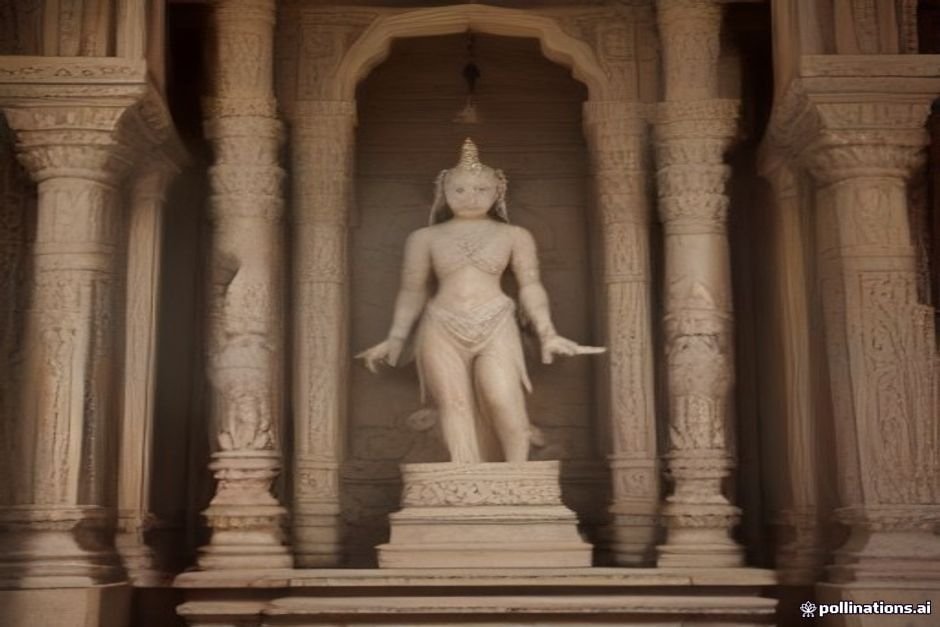
24 Tirthankar Names: Complete List of Sacred Jain Spiritual Leaders
In Jainism, the 24 tirthankar names represent the most revered spiritual leaders and enlightened beings who have guided followers toward liberation and spiritual awakening. These 24 tirthankars are believed to be the architects of the Jain faith, each appearing in different cosmic ages to restore and teach the path of righteousness. Understanding these sacred names and their significance is essential for anyone seeking deeper knowledge about Jain philosophy, spirituality, and religious traditions.
What Are Tirthankars?
Tirthankars are enlightened beings in Jainism who have achieved complete spiritual perfection and freedom from the cycle of rebirth. The term “tirthankar” literally means “ford-maker” or “one who crosses the ford,” referring to their role in helping souls cross the ocean of worldly existence.
Each tirthankar has conquered all karmic matter and achieved omniscience, becoming a beacon of wisdom and liberation for their followers. They are not worshipped as gods but revered as supreme human beings who have transcended all suffering and limitations.
The 24 Tirthankar Names and Their Order
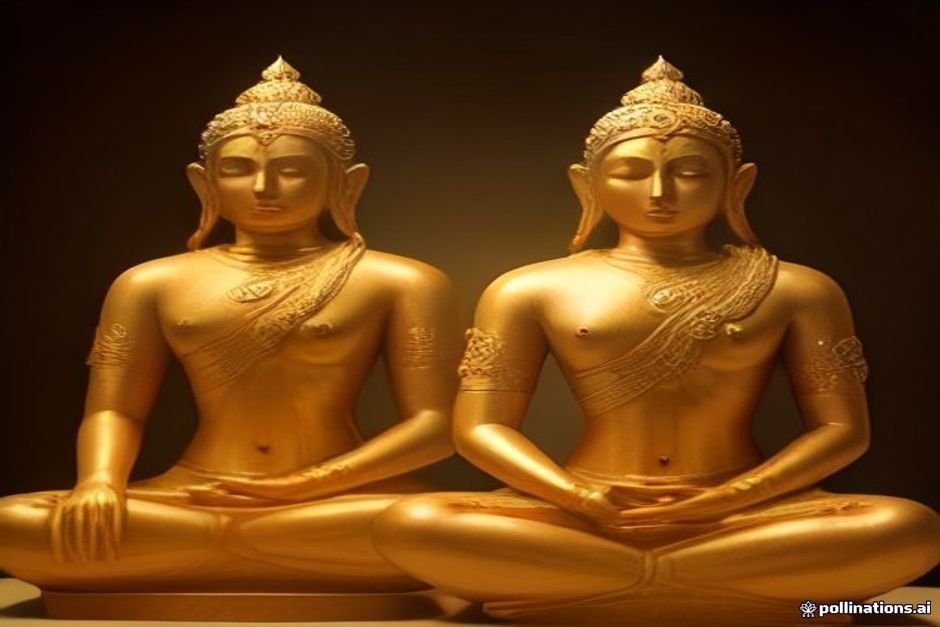
The 24 tirthankar names follow a specific sequence in the Jain cosmology, with each one appearing in successive ages. Here is the complete list of these sacred spiritual leaders:
The First Six Tirthankars
- Rishabhdev (Adinath): The first and most ancient tirthankar, believed to be the founder of Jainism in this cosmic age
- Ajit Nath: The second tirthankar, known for establishing monastic order and spiritual discipline
- Sambhav Nath: The third tirthankar, recognized for his teachings on karma and soul liberation
- Abhinandan Nath: The fourth tirthankar, famous for spreading Jain philosophy across kingdoms
- Sumati Nath: The fifth tirthankar, believed to have lived during a period of great enlightenment
- Padma Prabhu: The sixth tirthankar, known for his compassionate teachings and miracles
Tirthankars Seven Through Twelve
- Suparshva Nath: The seventh tirthankar, associated with green serpents and earth connection
- Chandraprabhu: The eighth tirthankar, recognized by the crescent moon symbol and lunar energy
- Pushpad Nath: The ninth tirthankar, known for abundance and prosperity teachings
- Shitalnath: The tenth tirthankar, associated with coolness and tranquility of spirit
- Shreyans Nath: The eleventh tirthankar, famous for his role in royal lineages
- Vasupujya: The twelfth tirthankar, worshipped widely across Jain communities
Tirthankars Thirteen Through Eighteen
- Vimal Nath: The thirteenth tirthankar, associated with purity and cleanliness
- Ananta Nath: The fourteenth tirthankar, symbolizing infinite wisdom and knowledge
- Dharma Nath: The fifteenth tirthankar, the establisher of righteous dharma
- Shanti Nath: The sixteenth tirthankar, representing peace and harmony in spiritual practice
- Kunthunath: The seventeenth tirthankar, associated with ascetic practices and detachment
- Ara Nath: The eighteenth tirthankar, known for his role in spiritual transformation
Tirthankars Nineteen Through Twenty-Four
- Malli Nath: The nineteenth tirthankar, the only female tirthankar in this cosmic cycle
- Munisuvrat Nath: The twentieth tirthankar, revered for ascetic strength and renunciation
- Nami Nath: The twenty-first tirthankar, symbolizing the essence of spiritual conduct
- Nemi Nath (Krishna): The twenty-second tirthankar, cousin of Lord Krishna, highly revered across regions
- Parshvanath: The twenty-third tirthankar, the immediate predecessor to Mahavira with historical records
- Mahavira (Vardhamana): The twenty-fourth and final tirthankar of this age, the most recent enlightened being
Sacred Symbols of the 24 Tirthankar Names

Each of the 24 tirthankar names is associated with unique symbols and emblems that help followers remember and honor them. These symbols appear on temples, religious texts, and personal devotional items.
Rishabhdev is symbolized by a bull, Ajit Nath by an elephant, Sambhav Nath by a horse, and Abhinandan Nath by a monkey. Other tirthankars have symbols ranging from lions and boars to crocodiles and peacocks, each representing spiritual qualities.
The Significance of 24 Tirthankar Names in Jain Practice
The 24 tirthankar names hold immense spiritual importance in daily Jain worship and meditation practices. Devotees chant these names as part of their spiritual discipline and seek blessings for enlightenment.
Many Jains recite the “Namokara Mantra,” which honors all tirthankars as supreme beings worthy of veneration. This practice strengthens spiritual connection and guides believers toward the path of liberation.
Historical and Mythological Context
While the first twenty-two tirthankars are considered legendary and mythological figures, Parshvanath and Mahavira have historical records supporting their existence. Parshvanath lived approximately 250 years before Mahavira and established a spiritual community.
Mahavira, who lived around the 6th century BCE, is the most recent tirthankar and played a crucial role in systematizing Jain philosophy and establishing monastic orders that continue to thrive today. Like the sacred names in Hindu tradition, each tirthankar name carries deep spiritual resonance and meaning.
Regional Variations in Tirthankar Names
Different Jain communities across India and worldwide maintain slight variations in how they pronounce and spell these sacred names. Hindi, Sanskrit, Gujarati, and Tamil versions may show different romanization and linguistic preferences.
Despite regional differences, the essential twenty-four spiritual leaders remain constant across all Jain traditions. This universal recognition underscores the timeless importance of these figures in Jain spirituality.
How to Choose a Great Name: Learning from Tirthankar Traditions
- Spiritual Resonance: Choose names that align with your personal spiritual beliefs and values
- Meaning and Symbolism: Understand the deeper meanings behind names to ensure they reflect desired qualities
- Cultural Authenticity: Select names that genuinely belong to your cultural or religious heritage
- Pronunciation Clarity: Ensure the name is pronounceable and easily remembered by family and community
- Astrological Alignment: Consider consulting with spiritual advisors about name auspiciousness
- Legacy and History: Research the history and significance associated with chosen names
For more on Jain spiritual leaders and philosophy, see Wikipedia’s comprehensive guide to Tirthankaras.
Frequently Asked Questions
Why are there exactly 24 tirthankars in Jainism?
According to Jain cosmology, twenty-four tirthankars appear in each half-cycle of time to guide souls toward liberation and establish the spiritual path anew when it becomes obscured.
Is Mahavira the most important among the 24 tirthankars?
While all tirthankars are equally revered in Jain philosophy, Mahavira holds special significance as the most recent tirthankar with historical documentation and structured the Jain monastic community as it exists today.
Can women be tirthankars in Jainism?
Yes, Malli Nath, the nineteenth tirthankar, was female, though this cosmic cycle had only one female among the twenty-four spiritual leaders. Jainism views enlightenment as gender-transcendent.
How do Jains practice devotion to the 24 tirthankars?
Jains honor these figures through prayer, meditation, chanting sacred mantras, visiting temples, and studying their teachings rather than worshipping them as divine powers.