
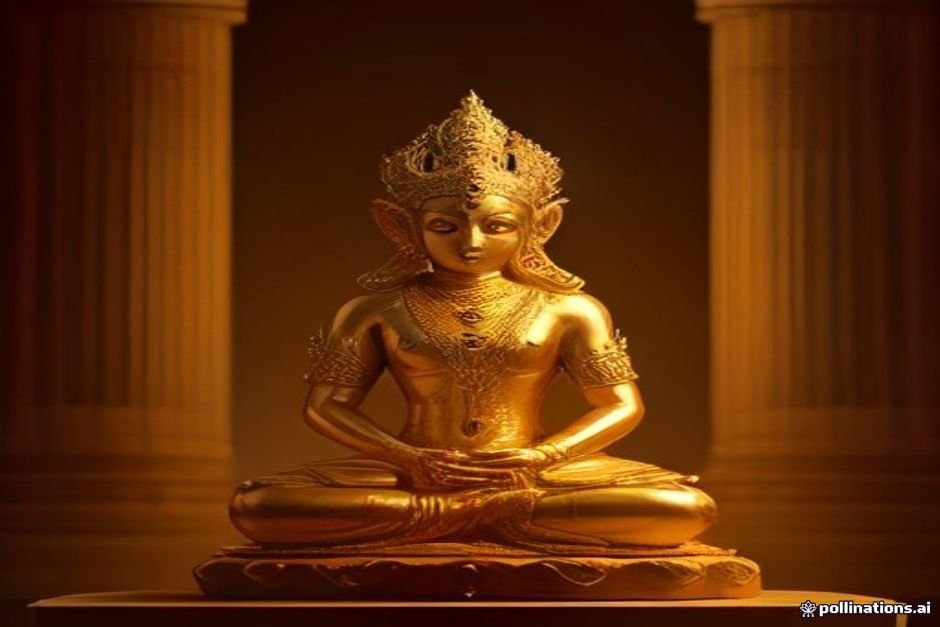
108 Names Of Lord Vishnu: Complete List With Meanings And Significance
The 108 names of Lord Vishnu represent one of the most sacred and powerful collections in Hindu spirituality. Known as the Vishnu Sahasranama (literally meaning “thousand names of Vishnu”), these divine names are recited by millions of devotees worldwide as a form of worship, meditation, and spiritual practice. Each name carries profound meaning and reflects different aspects of Vishnu’s cosmic nature, his divine qualities, and his role as the protector and sustainer of the universe.
In Hindu tradition, the number 108 holds special spiritual significance and is considered highly auspicious. Reciting or meditating upon these sacred names is believed to bring spiritual growth, inner peace, protection, and divine blessings into one’s life.
Understanding The 108 Names Of Lord Vishnu
The 108 names of Lord Vishnu originate primarily from the Mahabharata, one of the world’s oldest and most revered Hindu texts. These names were compiled and organized by the great sage Vyasa and are traditionally recited as part of daily spiritual practice by Hindu devotees.
Each name reflects a specific divine attribute, cosmic function, or manifestation of Vishnu. When chanted with devotion and understanding, these names are believed to invoke the corresponding energies and blessings associated with each divine quality.
The Sacred 108 Names Of Lord Vishnu
- Vishnu (All-Pervading)
- Vasudeva (Dweller in All Beings)
- Srikantha (Beautiful Throated)
- Sahishnu (Tolerant and Patient)
- Bhagavan (Blessed One)
- Ananta (Infinite and Eternal)
- Keshava (Long-Haired, Slayer of Kesin)
- Narayana (Resting in Waters)
- Madhava (Sweet as Honey)
- Govinda (Finder of Cows, Protector)
- Hari (Remover of Sins)
- Chakrapani (Holder of the Disc)
- Shankara (Bestower of Good)
- Parameshwara (Supreme Lord)
- Shridhara (Bearer of Wealth)
- Achyuta (Inexhaustible, Infallible)
- Brahma (Creator of Universe)
- Murari (Enemy of Demons)
- Trivikrama (Three-Stepped)
- Vamana (Dwarf Avatar)
- Padmanabha (Lotus-Naveled)
- Janardana (Destroyer of Enemies)
- Damodara (Tied Around the Waist)
- Sankarshana (Destroyer of Evil)
- Narasimha (Man-Lion Avatar)
- Varada (Giver of Blessings)
- Upendra (Younger Brother of Indra)
- Jagadguru (Teacher of the Universe)
- Madhusudana (Slayer of Madhu Demon)
- Chakri (Holder of Weapons)
- Surabhakshit (Nourished by All)
- Satya (Truth)
- Satyadarshi (Seer of Truth)
- Satya-Vrata (Devoted to Truth)
- Soma-Suta (Son of Moon)
- Amruta-Suta (Offspring of Nectar)
- Amritavapuh (Nectar-Bodied)
- Somalatha (Moon-Creeperd)
- Samundra-Mathana (Churner of Ocean)
- Ajana (Without Birth)
- Aja (Unborn)
- Atma (Soul)
- Antaratma (Inner Soul)
- Anantatma (Infinite Soul)
- Anandatma (Blissful Soul)
- Kartri (Creator)
- Vikarta (Shapeshifter)
- Karmakarta (Doer of Actions)
- Karmanirvartaka (Remover of Actions)
- Aniruddha (Unobstructed)
- Apratiratha (Unequaled in War)
- Apratirathakara (Maker of Unequaled Warriors)
- Vishnuratha (Chariot of Vishnu)
- Dhanurdhara (Bow-Bearer)
- Dhanurdharavatara (Incarnation of Bow-Bearer)
- Dhanurdhara (Holder of Bow)
- Dhanurdharis (Bearer of Weapons)
- Shankara (Bestower of Prosperity)
- Shankarina (Giver of Good)
- Shankarinatara (Liberator Through Goodness)
- Shankarinatma (Soul of Goodness)
- Aditya (Sun, Son of Aditi)
- Adityavara (Best Among Suns)
- Adityavamsha (Dynasty of Aditya)
- Adityavamshatmaja (Son of Aditya Dynasty)
- Vasu (Wealth)
- Vasuka (Wealthful)
- Vasudeva (Dweller in All)
- Vasudevara (Best Among Wealthy)
- Indra (Lord of Gods)
- Indratma (Soul of Indra)
- Indraripu (Enemy of Indra’s Foes)
- Indrariha (Slayer of Indra’s Enemies)
- Devendra (Lord of Gods)
- Devendra-Suta (Son of Gods)
- Devendra-Suta-Vara (Best Son of Gods)
- Surasatma (Soul of Gods)
- Jiva (Living Being)
- Jivana (Life-Giver)
- Jivanakara (Creator of Life)
- Jivanakaratara (Supreme Life-Creator)
- Brahma (Creator)
- Brahmavara (Best of Creators)
- Brahmavid (Knower of Brahman)
- Brahmavidvara (Best Knower of Brahman)
- Brihaspati (Celestial Teacher)
- Brihaspatihara (Bearer of Wisdom)
- Brihaspati-Priya (Beloved of Jupiter)
- Brihaspati-Suta (Son of Jupiter)
- Sukra (Venus)
- Sukravara (Best Venus)
- Sukradhipa (Lord of Venus)
- Sukradha (Giver of Venus Blessings)
- Pavana (Wind God)
- Pavanatma (Soul of Wind)
- Pavanavara (Best of Winds)
- Pavanavid (Knower of Wind)
- Agni (Fire)
- Agnidhipa (Lord of Fire)
- Agnivarana (Clothed in Fire)
- Agniatma (Soul of Fire)
- Vayu (Wind)
- Vayudhipa (Master of Wind)
- Vayuvara (Best of Winds)
- Vayuvidvara (Best Knower of Wind)
- Varuna (Water God)
- Varunadha (Bestower of Varuna’s Blessings)
- Varunaloka (Domain of Varuna)
- Varunasuta (Son of Varuna)
- Kuber (Lord of Wealth)
- Kubera (Wealth God)
- Kubervara (Best of Wealth Gods)
- Kubersuta (Son of Kuber)
- Yama (Death God)
- Yamadha (Giver of Yama’s Justice)
- Yamaloka (Kingdom of Yama)
- Yamavidvara (Supreme Knowledge of Yama)
Significance Of Chanting These Divine Names
Reciting the 108 names of Lord Vishnu is a powerful spiritual practice that helps devotees connect with the divine. Regular chanting is believed to purify the mind, remove negative karma, and bring positive transformations in one’s life.
Many Hindu households incorporate this sacred practice into their daily routine. The rhythmic chanting of these names creates vibrations that resonate with the cosmic energies associated with each divine attribute.
How To Practice With The 108 Names Of Lord Vishnu
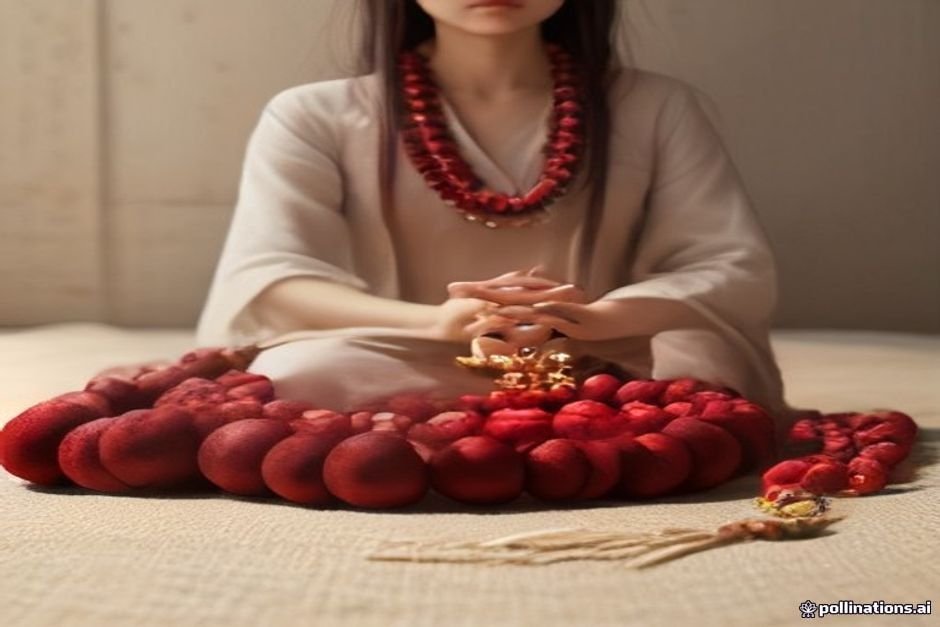
Devotees traditionally use a Japa mala (a string of 108 beads) while chanting these sacred names. As each bead is touched, one name is recited with full concentration and devotion.
The practice can be done early in the morning during meditation or in the evening as an act of worship. Even reciting a few names with sincere devotion is considered spiritually beneficial and auspicious.
To enhance your spiritual knowledge about Hindu devotional practices, consider exploring resources on Navnath Names: Complete Guide to Nine Saints’ Sacred Names and Meanings, which explores other sacred spiritual traditions.
For more detailed information on the Vishnu Sahasranama and its spiritual significance, see Vishnu Sahasranama on Wikipedia.
Frequently Asked Questions
What is the meaning of reciting 108 names of Lord Vishnu?
Chanting these names is believed to invoke divine blessings, purify the mind, and create spiritual protection and inner peace through connection with Vishnu’s cosmic consciousness.
Can I recite these names if I’m not Hindu?
Yes, anyone seeking spiritual growth and inner peace can practice these divine names with respect and sincere intention, regardless of their religious background.
How long does it take to recite all 108 names?
Typically, reciting all 108 names with proper focus and devotion takes approximately 15-20 minutes, depending on individual pace and meditation depth.
Is there a specific time to chant these names?
While early morning and evening are traditionally considered auspicious times, these sacred names can be chanted anytime with sincere devotion and concentrated attention.
What is a Japa mala used for?
A Japa mala is a string of 108 beads used to count and track the recitation of mantras or divine names during spiritual practice and meditation.
Are there other versions of Vishnu’s names?
Yes, different Hindu texts and regional traditions may emphasize different names and attributes of Vishnu, though the 108 names from the Mahabharata are most widely recognized.