

Top 10 Freedom Fighters of India With Names: Heroes of Indian Independence
India’s independence was won through the sacrifices and courageous efforts of numerous freedom fighters who dedicated their lives to the nation’s liberation. Understanding the top 10 freedom fighters of India with names helps us appreciate the diverse approaches and unwavering commitment these heroes brought to the independence movement. From armed rebellion to nonviolent resistance, these individuals shaped India’s destiny and continue to inspire generations.
Top 10 Freedom Fighters of India With Names and Their Legacies
The freedom struggle of India spanned nearly two centuries, featuring leaders from different regions, backgrounds, and ideologies. Each contributed uniquely to breaking British colonial chains and establishing India as a sovereign democratic nation.
1. Mahatma Gandhi (1869–1948)
Mohandas Karamchand Gandhi, known as Mahatma Gandhi, pioneered nonviolent resistance (Satyagraha) against British rule. His philosophy of peaceful protest inspired civil disobedience movements worldwide and earned him the title “Father of the Nation.”
Gandhi led the Salt March of 1930, the Quit India Movement of 1942, and countless campaigns advocating for independence through moral courage rather than violence. His assassination in 1948 shocked the world but cemented his legacy as a transformative leader.
2. Jawaharlal Nehru (1889–1964)
Jawaharlal Nehru was a close associate of Gandhi and played a pivotal role in India’s independence and nation-building. He served as India’s first Prime Minister and was instrumental in drafting the vision for a modern, secular, democratic India.
Nehru was arrested multiple times for his political activities and spent years in British jails. His contributions extended beyond independence to establishing India’s scientific and industrial infrastructure.
3. Subhas Chandra Bose (1897–1945)
Subhas Chandra Bose was an ardent nationalist who believed in armed struggle for independence. He formed the Indian National Army (INA) with Japanese support during World War II to fight British forces militarily.
His slogan “Give me blood, and I will give you freedom” resonated with millions of Indians. Though his military campaign ultimately failed, Bose’s courage and determination made him an iconic figure in India’s independence history.
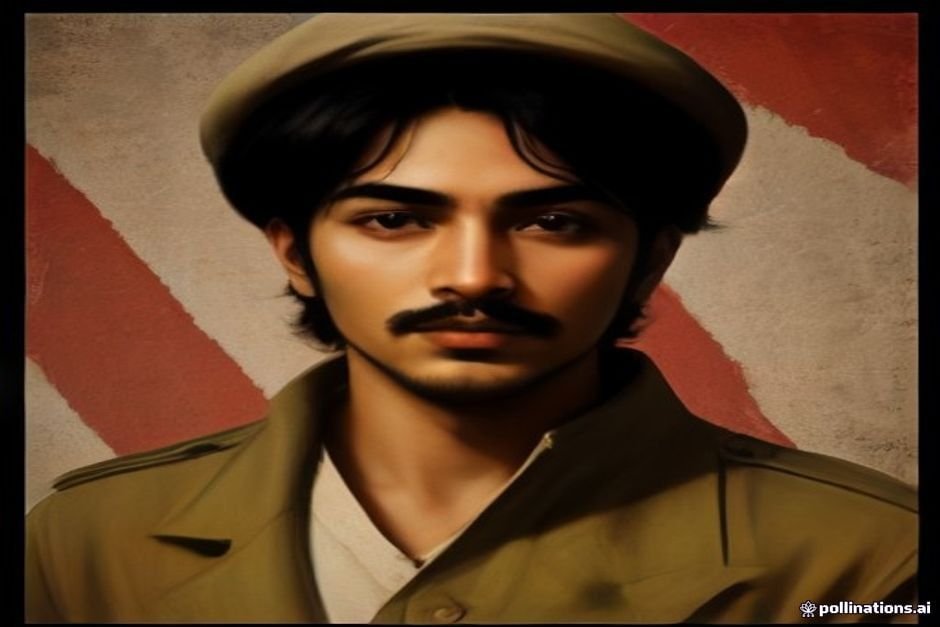
4. Bhagat Singh (1907–1931)
Bhagat Singh was a revolutionary freedom fighter who believed in armed resistance against British imperialism. He famously protested against oppressive laws and participated in high-profile acts of resistance including bombing the Central Legislative Assembly.
Arrested and executed at age 23, Bhagat Singh became a martyr and symbol of youthful patriotism. His execution shocked the nation and further fueled the independence movement.
5. Keshab Chandra Sen (1838–1884)
Keshab Chandra Sen was a social reformer and philosopher who challenged British cultural dominance through intellectual discourse. He advocated for educational and social reforms while promoting Indian cultural identity and pride.
Though his methods were less militant than others, Sen’s intellectual contributions helped awaken national consciousness. His work influenced generations of Indian thinkers and reformers.
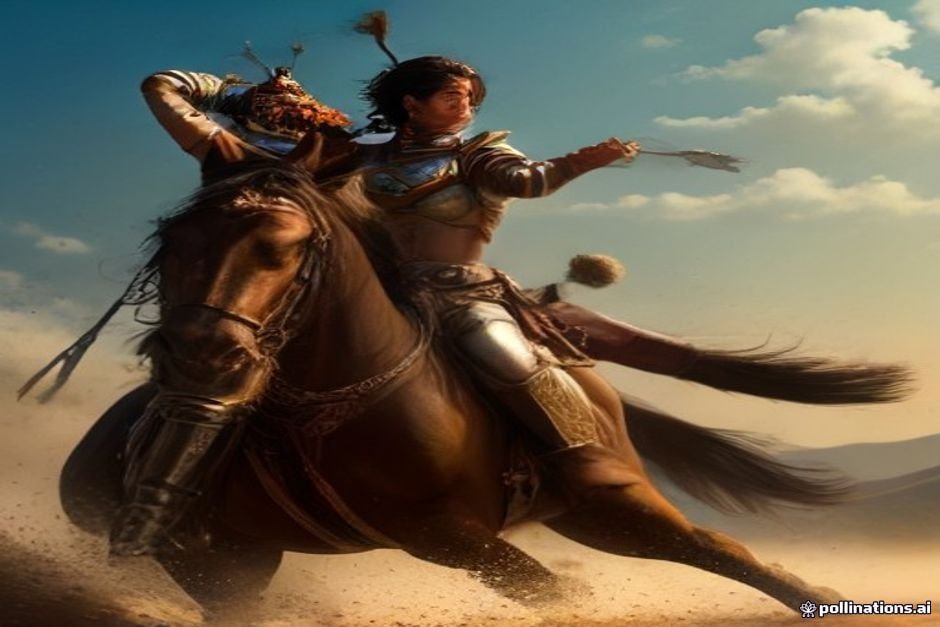
6. Rani Lakshmi Bai (1828–1858)
Rani Lakshmi Bai, the Queen of Jhansi, was among the first and most celebrated female freedom fighters of India. She led an armed rebellion during the 1857 revolt against British rule and fought valiantly on the battlefield.
Known for her military prowess and fierce determination, Rani Lakshmi Bai became a symbol of women’s resistance. She died fighting rather than surrendering to British forces, earning eternal respect.
7. Aurobindo Ghosh (1872–1950)
Sri Aurobindo was a revolutionary nationalist, philosopher, and spiritual teacher who played a significant role in Bengal’s independence movement. He edited newspapers advocating for independence and participated in armed revolutionary activities.
Later, Aurobindo withdrew from political activism to focus on spiritual development, but his early nationalist work profoundly influenced Indian independence ideology. His synthesis of nationalism and spirituality remains influential.
8. Lala Lajpat Rai (1865–1928)
Lala Lajpat Rai, known as “Lion of the Punjab,” was a prominent nationalist leader who fought against British economic exploitation. He organized farmers and workers while advocating for industrial development and self-reliance in India.
Arrested multiple times and beaten by British police, Lajpat Rai remained steadfast in his commitment. His death from injuries sustained during a police lathi charge made him a martyr to the independence cause.
9. Bal Gangadhar Tilak (1856–1920)
Bal Gangadhar Tilak was a fiery nationalist from Maharashtra who aroused Hindu pride and national consciousness through his writings and public speeches. His slogan “Swaraj is my birthright” became a rallying cry for independence.
Tilak promoted indigenous education, boycotted British goods, and encouraged Indians to organize for self-governance. He influenced younger revolutionaries and shaped the ideological foundation of the independence movement.
10. Sardar Vallabhbhai Patel (1875–1950)
Sardar Vallabhbhai Patel was a master organizer and Gandhi’s trusted lieutenant who mobilized millions for the independence cause. He led numerous civil disobedience campaigns and earned the title “Iron Man of India” for his unwavering resolve.
After independence, Patel played a crucial role in integrating hundreds of princely states into the Indian Union, making him vital to India’s nation-building process. His organizational skills and political acumen were unmatched.
Quick Facts About India’s Freedom Struggle
- The independence movement lasted approximately 190 years (1757–1947)
- Thousands of freedom fighters made sacrifices, though only a select few are widely remembered
- The movement combined multiple strategies: peaceful protest, social reform, intellectual resistance, and armed rebellion
- Women played significant roles, from Rani Lakshmi Bai to Sarojini Naidu and Kamla Mehta
- Independence was finally achieved on August 15, 1947
Different Approaches to Freedom Fighting
India’s freedom fighters employed diverse strategies reflecting their beliefs and regional contexts. Some advocated nonviolence while others pursued armed resistance, yet all shared a common goal: ending British colonial rule.
Nonviolent Approach: Led by Gandhi, this emphasized Satyagraha, civil disobedience, and moral persuasion. It proved remarkably effective in mobilizing mass participation and gaining international sympathy.
Revolutionary/Armed Approach: Leaders like Bhagat Singh and Subhas Chandra Bose believed direct action and armed rebellion were necessary. This approach attracted young nationalists and created fear among colonial administrators.
Social Reform Approach: Figures like Keshab Chandra Sen and Tilak emphasized cultural renaissance and intellectual awakening. They believed reforming Indian society would strengthen the nation’s capacity for self-governance.
For more on India’s independence history, see Wikipedia’s Indian Independence Movement.
Frequently Asked Questions
Who is considered the Father of the Nation in India?
Mahatma Gandhi is officially recognized as the “Father of the Nation” for his leadership of the independence movement and his philosophy of nonviolent resistance. His contributions fundamentally shaped India’s path to freedom.
What year did India gain independence?
India gained independence on August 15, 1947, when the Indian Independence Act came into effect. This date is celebrated annually as India’s Independence Day.
Were all freedom fighters nonviolent?
No, freedom fighters employed different strategies. While Gandhi championed nonviolence, others like Bhagat Singh and Subhas Chandra Bose pursued armed struggle, believing it was necessary to challenge British colonial rule effectively.
Did women participate in India’s independence movement?
Yes, women made significant contributions as freedom fighters, activists, and supporters. Rani Lakshmi Bai, Sarojini Naidu, and Kamla Mehta are among the many women who fought for independence.
Learning about these visionary leaders enriches our understanding of sacrifice, courage, and the diverse paths to achieving freedom. Their legacies continue inspiring social movements and democratic ideals globally.