
Khada Masala Names: Complete Guide to Whole Spices and Their Authentic Uses
Khada masala, also known as whole spice blends or individual whole spices, forms the backbone of authentic Indian cuisine. Understanding khada masala names in Hindi, English, and regional languages helps home cooks and culinary enthusiasts select the right ingredients for traditional recipes. Whole spices deliver superior flavor compared to pre-ground powders because they retain essential oils and aromatic compounds until the moment of use.
What Are Khada Masala Names and Why They Matter
Khada masala refers to whole, unground spices used in Indian cooking and Ayurvedic practices. The term “khada” means “whole” or “standing” in Hindi, emphasizing that these spices remain in their natural, unprocessed state until grinding or tempering.
These spices deliver more authentic flavor, longer shelf life, and greater nutritional value than ground alternatives. Toasting whole spices before grinding releases their full aromatic potential, making dishes taste noticeably richer and more complex.
Common Khada Masala Names in English and Hindi
- Cumin (Jeera) – Warm, earthy flavor; aids digestion and used in curries, rice, and dal
- Coriander (Dhania) – Mild, citrusy taste; essential in garam masala and vegetable dishes
- Mustard Seeds (Rai) – Sharp, pungent flavor; commonly used in tempering and South Indian cuisine
- Fenugreek (Methi) – Bitter-sweet notes; used in curry powders and leafy dishes
- Turmeric (Haldi) – Golden color, anti-inflammatory; fundamental in most Indian recipes
- Black Peppercorns (Kali Mirch) – Sharp, hot spice; universal flavoring in savory dishes
- Cloves (Laung) – Sweet, warming spice; used in garam masala and rice preparations
- Cardamom Green (Elaichi) – Aromatic, slightly sweet; essential in biryanis and sweets
- Cardamom Black (Badi Elaichi) – Deeper, smoky notes; used in rice dishes and beverages
- Cinnamon (Dalchini) – Warm, sweet spice; common in garam masala and festive recipes
- Bay Leaves (Tej Patta) – Subtle, aromatic flavor; added to rice and lentil preparations
- Star Anise (Chakra Phool) – Licorice-like sweetness; used in biryanis and meat curries
- Nutmeg (Jaiphal) – Warm, slightly sweet; used sparingly in spice blends
- Mace (Javitri) – Similar to nutmeg but more delicate; used in garam masala
- Asafoetida (Hing) – Pungent when raw, savory when cooked; aids digestion in dal and vegetables
- Dried Ginger (Sonth) – Warm, concentrated ginger flavor; used in curries and beverages
- Chili Peppers Red (Lal Mirch) – Hot, fruity notes; adds heat and color to dishes
Aromatic Spices Used in Khada Masala Blends
- Carom Seeds (Ajwain) – Thymol-rich, peppery taste; used in savory snacks and pickles
- Nigella Seeds (Kalonji) – Slightly bitter, nutty flavor; sprinkled on breads and vegetables
- Sesame Seeds (Til) – Mild, nutty taste; used in tempering and garnishing
- Poppy Seeds (Khus Khus) – Creamy, mild flavor; used in curries and paste bases
- Fennel Seeds (Saunf) – Sweet, licorice notes; used in garam masala and mouth freshener
- Pomegranate Seeds (Anardana) – Tangy, fruity flavor; adds sourness to curries without liquid
- Amchur Powder (Dried Mango) – Sour, fruity taste; alternative to tamarind and lemon juice
- Dried Limes (Loomi) – Citrusy, tangy notes; used in Middle Eastern-influenced Indian dishes
- Dried Pomegranate Peel (Anar Dani) – Sharp, sour flavor; used in specific regional recipes
- Kaffir Lime Leaves – Aromatic, floral notes; used in South Indian and fusion cuisine
Regional Variations in Khada Masala Names
Different Indian regions use distinct khada masala blends reflecting their culinary traditions and available ingredients. Understanding these regional variations helps recreate authentic recipes from specific areas.
North Indian Spice Names
- Garam Masala Base Spices – Cumin, coriander, cloves, cardamom, cinnamon, bay leaves, mace
- Punjabi Tempering Spices – Mustard seeds, fenugreek, cumin, asafoetida, chili peppers
- Kashmiri Blend Elements – Cardamom, cinnamon, cloves, bay leaves, dried ginger
South Indian Spice Names
- Sambar Powder Components – Mustard seeds, fenugreek, coriander, chili, cumin
- Tamil Nadu Tempering Spices – Mustard seeds, cumin, fenugreek, curry leaves, asafoetida
- Karnataka Spice Mix Elements – Mustard seeds, coriander, cumin, black peppercorns, dried chili
- Kerala Spice Blend – Star anise, cinnamon, cloves, green cardamom, black peppercorns
Eastern Indian Spice Names
- Bengali Tempering Spices – Mustard seeds, nigella seeds, fenugreek, cumin, turmeric
- Odisha Spice Elements – Mustard seeds, cumin, coriander, fenugreek, black peppercorns
Lesser-Known Khada Masala Names and Their Uses
- Cubeb Pepper (Kabab Chini) – Slightly bitter, camphoraceous; used in meat preparations and garam masala
- Long Pepper (Pippali) – Hot, complex flavor; ancient spice used in Ayurvedic preparations
- Grains of Paradise (Malagueta) – Peppery, slightly floral; rare in traditional recipes but gaining popularity
- Bishop’s Weed (Ajwain) – See Carom Seeds; regional name variation
- Dried Fenugreek Leaves (Kasuri Methi) – Aromatic, bitter notes; used in North Indian curries and breads
- Dried Curry Leaves (Kadi Patta) – Citrusy, aromatic; essential in South Indian and Maharashtrian cooking
- Dried Mint (Sukkha Pudina) – Refreshing, cooling flavor; used in chutneys and beverages
- Dried Coriander Leaves (Sukha Dhania Patra) – Aromatic variant of fresh coriander; used in specific preparations
- Tamarind Pods (Imli) – Sour, fruity taste; used whole or in paste form
- Saffron (Kesar) – Luxurious, floral notes; used sparingly in biryanis and sweets
Medicinal and Ayurvedic Khada Masala Names
Many khada masala spices serve dual purposes in traditional medicine and cooking. Ayurveda values these whole spices for their therapeutic properties beyond culinary use.
- Giloy Stem (Tinospora) – Immune-boosting; used in health tonics and herbal preparations
- Ashwagandha Root (Withania) – Adaptogenic; used in wellness beverages and powders
- Shatavari Root – Balancing herb; used in Ayurvedic formulations for female health
- Triphala Components – Combination of three fruits; supports digestive health
- Brahmi Herb – Cognitive support; used in memory-enhancing blends
- Tulsi Leaves Dried – Sacred basil; used in teas and wellness drinks
- Licorice Root (Mulethi) – Cooling, sweet; supports respiratory and digestive health
- Gotu Kola (Brahmi) – Traditional herb for mental clarity and circulation
- Triphala Churna Base Spices – Amla, bahera, haritaki fruits combined
For more on Indian spice names and nutritional information, see Dry Fruit Names: Complete Guide to Popular Varieties and Their Nutritional Benefits.
How to Choose and Store Whole Spices
- Color and Aroma Test – Choose spices with vibrant color and strong aroma; dull appearance indicates age or poor storage
- Source Reliability – Buy from reputable spice merchants or Indian grocery stores with regular inventory turnover
- Organic vs. Conventional – Organic spices reduce pesticide exposure; choose based on budget and preference
- Purchase Frequency – Buy smaller quantities more often rather than stockpiling; whole spices lose potency over 6-12 months
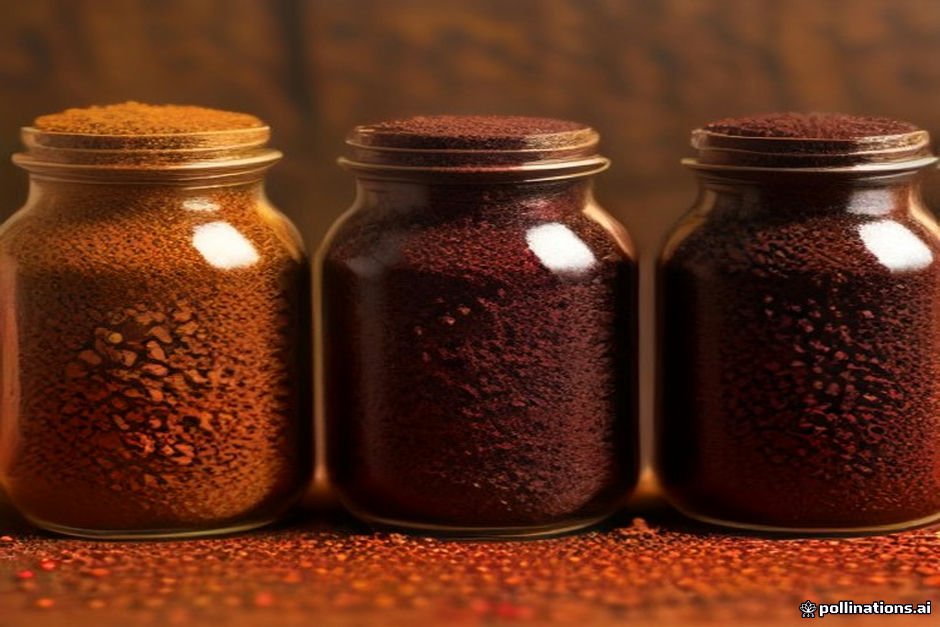
- Storage Containers – Use airtight glass jars kept in cool, dark places away from heat and moisture
- Whole vs. Pre-Ground Decision – Whole spices offer better flavor; grind as needed using spice grinders or mortar-pestle
Popular Khada Masala Blends and Their Component Spices
Ready-made garam masala blends often contain specific combinations of whole spices. Understanding component names helps you replicate or customize blends at home.
Classic Garam Masala Components
- Cumin seeds (Jeera)
- Coriander seeds (Dhania)
- Green cardamom pods (Elaichi)
- Black peppercorns (Kali Mirch)
- Cloves (Laung)
- Cinnamon stick (Dalchini)
- Bay leaf (Tej Patta)
- Mace (Javitri)
Sambar Powder Components
- Coriander seeds (Dhania)
- Cumin seeds (Jeera)
- Black peppercorns (Kali Mirch)
- Chana dal (Chickpea lentils)
- Urad dal (Black lentil)
- Fenugreek seeds (Methi)
- Asafoetida (Hing)
- Curry leaves (Kadi Patta)
- Red chili peppers (Lal Mirch)
Panch Phoron (Bengali Five Spice)
- Mustard seeds (Rai)
- Fenugreek seeds (Methi)
- Nigella seeds (Kalonji)
- Fennel seeds (Saunf)
- Cumin seeds (Jeera)
Frequently Asked Questions
What is the difference between khada masala and garam masala?
Khada masala refers to any whole, unground spices, while garam masala is a specific blend of warming spices that’s typically ground into powder. All garam masala components are khada masala, but not all khada masalas are garam masala.
How long do whole spices stay fresh?
Whole spices maintain optimal flavor for 6-12 months when stored in airtight containers in cool, dark places. Pre-ground spices lose potency faster, typically within 3-6 months, making whole spices a worthier investment.
Can I substitute ground spices for whole spices in recipes?
Yes, but whole spices deliver superior flavor. If using ground spices, reduce the quantity by about one-third to one-half since ground versions are more concentrated; start with less and adjust to taste.
Which whole spices should every Indian kitchen have?
Essential khada masala spices include cumin (jeera), coriander (dhania), mustard seeds (rai), black peppercorns (kali mirch), turmeric (haldi), chili peppers, and asafoetida (hing). These cover most everyday Indian cooking needs.
Understanding authentic khada masala names empowers you to cook traditional Indian recipes with confidence and superior flavor. Whether you’re a beginner exploring Indian cuisine or an experienced home cook refining your spice collection, knowing these spice names opens doors to authentic cooking and cultural connection through food.