Indian Biryani Spices Names: Complete Guide to Essential Aromatic Ingredients
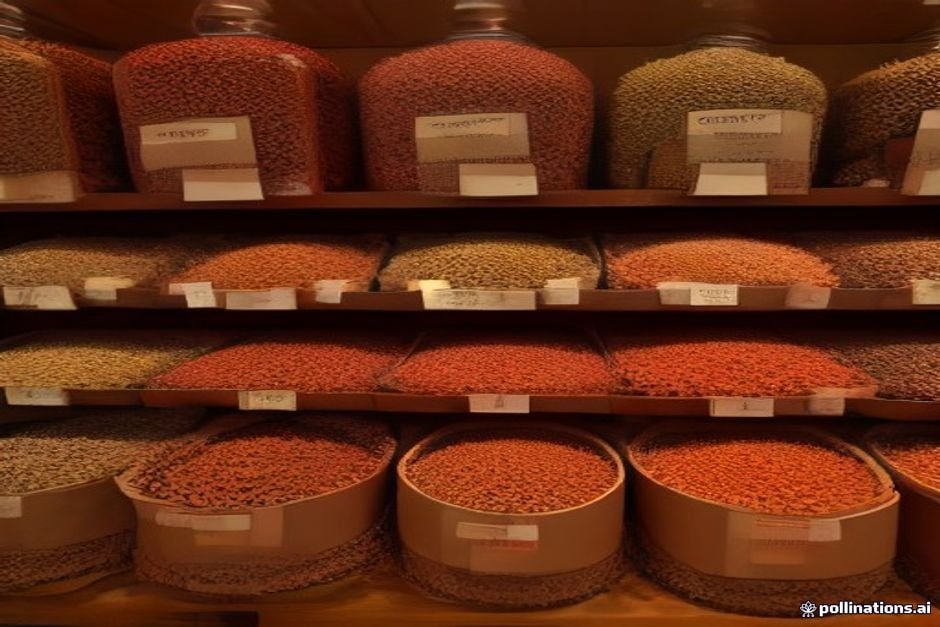
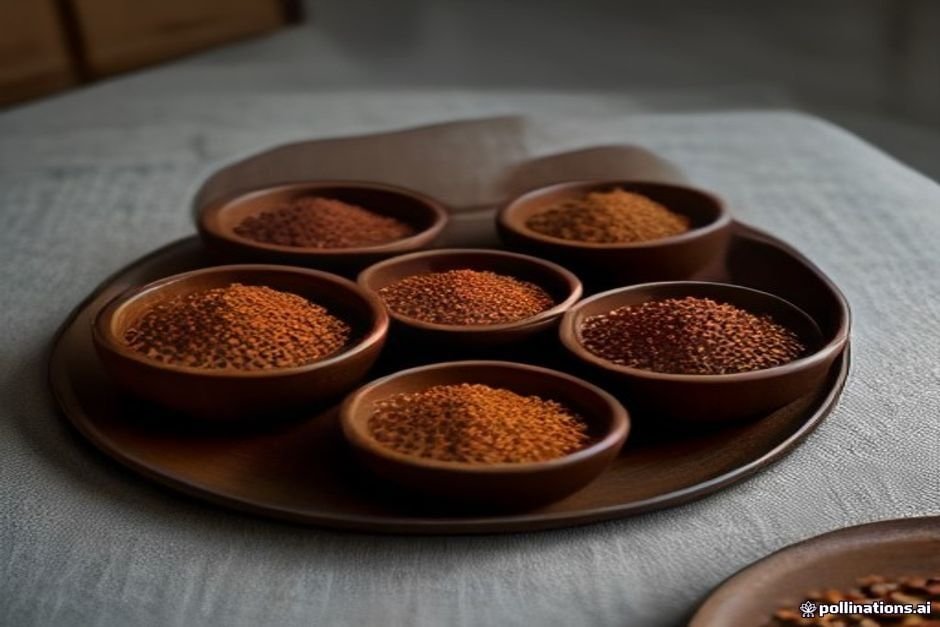
Indian biryani is one of the world’s most celebrated rice dishes, and its distinctive flavor comes from a carefully curated blend of aromatic spices. Understanding the indian biryani spices names and their individual characteristics is essential for anyone looking to master this beloved Mughlai cuisine. Each spice plays a specific role in creating the layered, complex flavors that make biryani truly special. Whether you’re a seasoned cook or a beginner, knowing these spices will elevate your biryani game significantly.
Indian Biryani Spices Names: The Complete Aromatic Arsenal
Biryani’s magic lies in combining spices that complement both the rice and meat or vegetables. The spice blend used in biryani varies slightly across different regions of India, but certain core spices remain consistent. These spices are typically toasted before use to release their essential oils and deepen their flavors. Understanding each one helps you appreciate why biryani tastes so different from other Indian rice dishes.
Whole Spices for Layering
- Cardamom (Elaichi) – The queen of spices, cardamom pods infuse biryani with a sweet, floral aroma. Green cardamom is most commonly used, though black cardamom adds a smoky depth.
- Cinnamon (Dalchini) – This bark spice provides warmth and subtle sweetness, balancing the savory elements of the dish. A single stick flavors an entire pot.
- Cloves (Laung) – These unopened flower buds deliver intense, peppery notes with slight sweetness. A few cloves are sufficient as they’re quite potent.
- Bay Leaves (Tej Patta) – These aromatic leaves contribute an earthy undertone that enhances the overall complexity of the biryani.
- Star Anise (Chakri Phool) – With its licorice-like flavor, star anise adds a distinctive note found in some regional biryani varieties.
- Black Peppercorns (Kali Mirch) – These provide a gentle heat and peppery sharpness that prevents biryani from becoming too sweet.
- Cumin Seeds (Jeera) – Earthy and warm, cumin seeds form the foundation spice flavor in many biryani recipes.
- Mace (Javitri) – The outer coating of nutmeg seeds, mace delivers a warm, slightly sweet flavor distinct from nutmeg itself.
Ground Spices and Powders
- Coriander Powder (Dhania Powder) – Ground coriander seeds add a citrusy, floral note without overwhelming the dish.
- Cumin Powder (Jeera Powder) – Often used alongside whole cumin, this powder distributes warmth more evenly throughout the rice.
- Turmeric (Haldi) – The golden spice provides color and earthy flavor, though used sparingly in traditional biryani so as not to overpower other spices.
- Red Chili Powder (Lal Mirch) – This brings heat and a deep red hue to the biryani. Different varieties offer varying levels of spiciness.
- Garam Masala – A warm spice blend typically containing cinnamon, cardamom, cloves, and bay leaves. Many cooks make their own custom version.
- Nutmeg (Jaiphal) – A small amount of this warm, slightly sweet spice enhances the overall aromatic profile without being noticeable.
Fresh Aromatics and Pastes
- Ginger-Garlic Paste (Adrak-Lehsun ka Paste) – Fresh ginger and garlic create a pungent base that adds depth to the marinating liquid and gravy.
- Green Chili (Hari Mirch) – Fresh green chilies provide heat and a fresh, herbaceous note that balances the warm spices.
- Mint (Pudina) – Fresh mint leaves add a cooling, refreshing element and are often layered between rice and meat.
- Cilantro (Hara Dhaniya) – Also called coriander leaves, cilantro provides a bright, fresh garnish and flavor boost at the end of cooking.
Regional Variations in Spice Blends
Hyderabadi biryani emphasizes cardamom and mint, creating a more floral profile. Lucknowi biryani uses subtle spicing with emphasis on ginger-garlic and saffron. Kolkata biryani incorporates potatoes and uses slightly less spice, allowing other ingredients to shine.
Biryani from Bangalore tends toward stronger spicing with more prominent chili heat. Mumbai biryani often includes more cumin and uses Goan spices adapted to the region. Each variation reflects local preferences and available ingredients.
Saffron and Specialty Ingredients
- Saffron (Kesar) – The most expensive spice, saffron imparts a golden color and subtle, complex flavor. Soaking in warm milk before adding releases its essence.
- Poppy Seeds (Khus-Khus) – Ground into a paste, these provide creaminess and subtle nutty flavor to the biryani gravy.
- Musk Melon Seeds (Tarbooj Beej) – Ground seeds add richness and a delicate sweetness to some traditional recipes.
- Rose Water (Gulab Jal) – A few drops of authentic rose water add a floral, luxurious dimension, especially popular in Hyderabadi versions.
- Coconut (Nariyal) – Ground coconut adds sweetness and richness, common in Malabar and coastal biryani varieties.
Heat and Pungent Spices
- Asafoetida (Hing) – A pungent resin with a strong smell that mellows during cooking, adding an umami depth to the biryani.
- Black Cardamom (Badi Elaichi) – Larger and smokier than green cardamom, these add a camphoraceous note to meat biryani.
- Fenugreek (Methi) – The seeds add a maple-like warmth, though used very sparingly to avoid bitterness.
How to Toast and Use These Spices
Toasting whole spices in a dry pan over medium heat for 1-2 minutes releases their essential oils and intensifies their flavors. Stir constantly to prevent burning. Add toasted whole spices to the rice and meat layers during the cooking process for maximum fragrance.
Ground spices are typically mixed into a paste with yogurt and used to marinate the meat before cooking. This helps distribute the flavors evenly and tenderize the protein. For the final fragrance, some cooks temper ghee with whole spices and pour it over the cooked biryani just before serving.
For more on authentic Indian spice blends and cooking techniques, see Indian Food Names A To Z: Complete Guide to Authentic Dishes and Cuisines.
How to Choose and Store Your Biryani Spices
Selecting Quality Spices
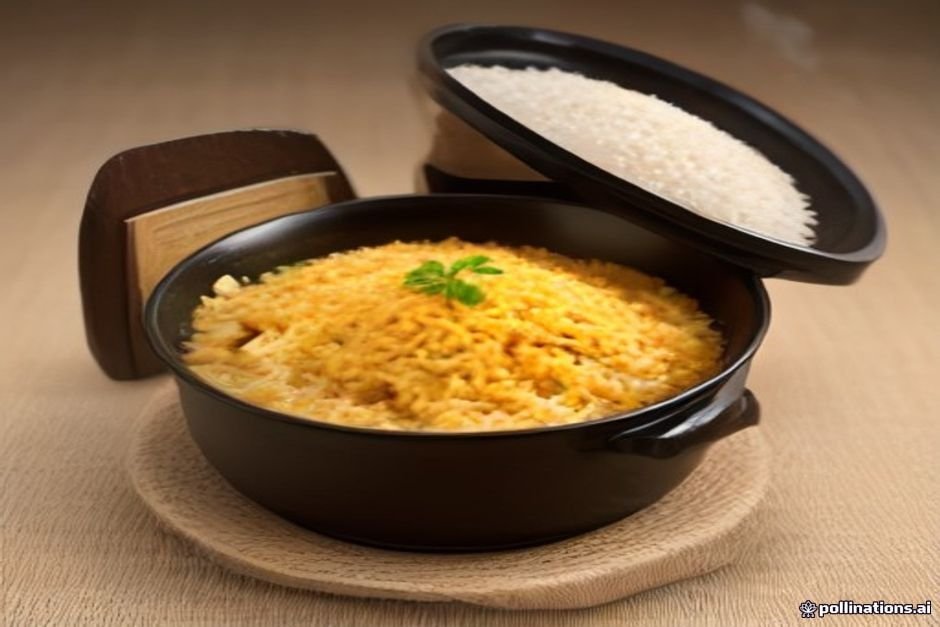
- Buy whole spices from reputable vendors who have good turnover, ensuring freshness.
- Look for vibrant color and strong aroma; faded spices indicate age and loss of potency.
- Purchase in small quantities you’ll use within 3-6 months rather than large quantities that may lose flavor.
- Grind whole spices yourself when possible for superior aroma and taste compared to pre-ground versions.
- Visit Indian grocery stores for the best selection and authenticity, and often better prices than mainstream supermarkets.
- Check expiration dates and avoid spices that smell musty or off, which indicates improper storage.
Frequently Asked Questions
What is the most important spice in biryani?
Cardamom is often considered essential, as its floral, sweet aroma defines classic biryani flavor. However, regional recipes vary, so some emphasize cumin or other spices equally.
Can I use pre-made garam masala instead of individual spices?
Yes, pre-made garam masala is convenient, but blending your own allows customization to match your preferred biryani style and often yields superior flavor.
How much saffron should I use in biryani?
A pinch of about 10-15 strands soaked in warm milk is typically sufficient for a pot serving 4-6 people. More than this can make the dish bitter.
Should I buy organic spices for biryani?
Organic spices are a good choice if available and within budget, as they typically avoid pesticide residues, though regular quality spices work perfectly well for authentic biryani.