
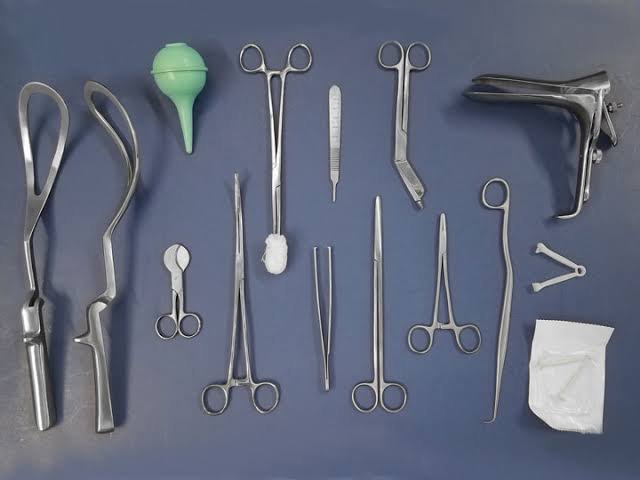
Gynae Instruments With Names and Uses PDF: Complete Guide to Essential Obstetric and Gynecological Tools
Understanding gynae instruments with names and uses PDF resources is essential for medical students, nurses, and healthcare professionals working in obstetrics and gynecology. These specialized instruments are designed for diagnostic examinations, surgical procedures, and patient care in women’s health. Having access to comprehensive documentation helps practitioners identify instruments quickly, understand their proper usage, and maintain safety standards in clinical settings. This guide covers the most commonly used gynecological instruments, their specific functions, and practical applications.
Essential Diagnostic Instruments in Gynecology
Diagnostic instruments form the foundation of gynecological practice, allowing clinicians to examine patients safely and accurately. These tools help identify abnormalities, assess reproductive health, and guide treatment decisions.
Specula and Visualization Tools
- Graves Speculum: A double-bladed instrument used for visualizing the vaginal canal and cervix during routine examinations and Pap smears.
- Pederson Speculum: A narrower, smaller version designed for patients with limited vaginal capacity or virginal anatomy.
- Cusco Speculum: An alternative bivalve speculum that maintains visualization without requiring hand pressure throughout examination.
- Ferguson Speculum: A self-retaining speculum used primarily in operative procedures requiring extended visualization.
- Hysteroscope: An endoscopic instrument allowing direct visualization of the uterine cavity for diagnostic and therapeutic purposes.
- Colposcope: A binocular microscope magnifying the cervix and vagina up to 40 times for detailed examination of suspicious lesions.
Palpation and Examination Instruments
- Uterine Sound: A calibrated probe measuring uterine depth and detecting abnormalities or perforations during instrumentation.
- Sims Speculum: A single-blade retractor used for visualizing anterior vaginal wall and urethra during specific examinations.
- Pap Smear Spatula: An Ayre spatula or cervical brush collecting cellular material from the cervix for cytological screening.
- Tenaculum: A grasping instrument with sharp hooks used to stabilize and manipulate the cervix during procedures.
- Allis Clamp: A traumatic grasping forceps used in gynecological surgery for tissue handling and traction.
Surgical and Operative Gynecological Instruments
Surgical instruments enable gynecologists to perform therapeutic procedures safely and effectively. These tools require proper sterilization and careful handling.
Cutting and Dissecting Instruments
- Surgical Scissors: Various types including Mayo, Metzenbaum, and Spencer scissors for cutting tissue and sutures with precision.
- Scalpel and Blades: Precision cutting instruments for making controlled incisions during surgical procedures.
- Electrosurgical Unit (ESU) Pencil: Uses electrical current for cutting and coagulating tissue during surgical procedures.
- Laser Scalpel: CO2 or other laser types used for precise tissue ablation in gynecological procedures.
- Hysteroscopic Scissors: Specialized scissors sized for intrauterine use during hysteroscopic procedures.
Grasping and Holding Instruments
- Kocher Clamp: A locking forceps with teeth used for hemostasis and grasping tissue during procedures.
- Crile Clamp: A smooth hemostatic forceps used for vascular control without tissue trauma.
- Ovum Forceps: Delicate grasping forceps designed for handling fragile tissue in gynecological procedures.
- Tissue Forceps: Toothed forceps for grasping tissue requiring secure hold during manipulation.
- Adson Forceps: Fine-tipped grasping forceps used in delicate surgical work and suturing.
Retraction and Exposure Instruments
- Hohmann Retractor: A self-retaining retractor maintaining surgical field exposure during procedures.
- Balfour Retractor: A specialized retractor with adjustable arms for vaginal and abdominal gynecological surgery.
- Bookwalter Retractor: A complex self-retaining system providing optimal surgical field exposure during extended procedures.
- Vaginal Retractor: Specialized retractors designed for maintaining vaginal surgical field visibility.
- Richardson Retractor: A handheld retractor used for gentle tissue retraction during gynecological procedures.
Gynae Instruments With Names and Uses PDF Resources for Curettage and Evacuation
Curettage instruments are essential for procedures involving uterine evacuation, biopsy collection, and treatment of abnormal tissue. Understanding proper technique prevents perforation and complications.
Curettage Instruments
- Sharp Curette: Used for tissue removal during dilation and curettage procedures or diagnostic biopsy collection.
- Blunt Curette: A safer alternative reducing perforation risk while allowing effective endometrial sampling and evacuation.
- Sims Curette: A handheld curettage instrument with various angles for different evacuation approaches.
- Novak Curette: A small-diameter curette designed for diagnostic endometrial biopsy and sampling.
- Karman Cannula: A soft, flexible suction instrument for gentle evacuation in early pregnancy termination or retained products removal.
Dilation Instruments
- Hegar Dilators: Progressive metal dilators in graduated sizes used to gently expand the cervical canal before instrumentation.
- Pratt Dilators: Double-ended dilators available in various diameters for cervical dilation procedures.
- Hanks Dilators: Tapered dilators used in gynecological procedures requiring careful cervical expansion.
- Laminaria: Natural or synthetic hygroscopic materials inserted into the cervix for gradual dilation over 6-24 hours.
- Misoprostol: A pharmaceutical agent administered to soften cervix prior to instrumentation procedures.
Specialized Gynecological Instruments for Infertility and Reproductive Procedures
Infertility treatment and reproductive procedures require highly specialized instrumentation ensuring precise placement and minimal trauma to sensitive reproductive structures.
Embryo Transfer and Catheterization Instruments
- Embryo Transfer Catheter: A specialized soft catheter guiding embryo placement into the uterine cavity during in vitro fertilization procedures.
- Iui Catheter: A flexible catheter designed for intrauterine insemination procedures with minimal cervical trauma.
- Mock Embryo Transfer Catheter: Used during preliminary procedures to assess cervical anatomy and plan optimal transfer approach.
- Wallace Catheter: A soft catheter used for hysterosalpingography and embryo transfer procedures.
- Suction Catheter: Used to gently aspirate fluid and assist in visualization during reproductive procedures.
Aspirating and Sampling Instruments
- Oocyte Aspiration Needle: A specialized hollow needle collecting egg cells from ovarian follicles during egg retrieval procedures.
- Biopsy Forceps: Small grasping instruments collecting tissue samples from endometrium or other reproductive structures.
- Endometrial Biopsy Catheter: A flexible catheter instrument collecting endometrial tissue for evaluation of receptivity or pathology.
- Pipelle Sampler: A suction device collecting endometrial tissue for diagnostic evaluation in infertility assessment.
Instruments for Gynecological Procedures and Minor Surgery
Minor surgical procedures and therapeutic interventions in office-based gynecology use specialized instruments minimizing patient discomfort and recovery time.
Ablation and Cautery Instruments
- Ablation Electrode: Electrical instruments for destroying abnormal tissue during procedures treating excessive bleeding or lesions.
- Cautery Pen: Handheld electrosurgical device for hemostasis and tissue ablation during procedures.
- Loop Electrosurgical Excision Procedure (LEEP) Wire: A thin wire loop electrode removing cervical abnormalities with simultaneous hemostasis.
- Cold Coagulation Probe: A non-electrical heating device used for cervical ablation with minimal tissue damage.
Drainage and Aspiration Instruments
- Suction Apparatus: Provides controlled negative pressure for tissue removal and visualization during procedures.
- Frenulum Retractor: Separates tissue providing access to specific anatomical areas during minor procedures.
- Needle Aspiration Biopsy Gun: A spring-loaded instrument collecting tissue samples through needle aspiration.
- Cyst Aspiration Needle: A hollow needle designed for safe evacuation of cystic masses in gynecological structures.
Obstetric and Labor Instruments
Obstetric instruments facilitate labor management, delivery assistance, and management of complications during childbirth ensuring maternal and fetal safety.
Delivery Assistance Instruments
- Forceps (Outlet, Mid-cavity, High): Metallic grasping instruments assisting fetal delivery by gentle traction during prolonged second stage labor.
- Vacuum Cup: A silicone or metal cup applying suction to fetal scalp assisting delivery when proper positioning achieved.
- Episiotomy Scissors: Specialized scissors performing controlled perineal incision during delivery to prevent traumatic tearing.
- Fetal Scalp Electrode: An electrode applied to fetal scalp for continuous heart rate monitoring during labor.
Placental and Delivery Management Instruments
- Placental Forceps: Large grasping forceps for safe manipulation and removal of placenta after fetal delivery.
- Cord Clamp: Plastic or metal devices occluding umbilical cord before cutting and securing the cord segment.
- Cord Scissors: Specialized scissors designed for clean cutting of umbilical cord without crushing.
- Placental Curette: Used for gentle removal of retained placental tissue from uterine wall postpartum.
- Amniotic Membrane Separator: A blunt instrument separating fetal membranes from uterine wall during placental removal.
How to Choose the Right Gynae Instruments
Selecting appropriate instruments depends on specific procedures, patient anatomy, and clinical setting requirements. Consider these practical factors:
- Procedure Type: Identify whether diagnostic, therapeutic, or surgical intervention determines instrument selection and preparation.
- Patient Anatomy: Assess patient body habitus, vaginal capacity, and anatomical variations to select appropriately-sized instruments.
- Clinical Setting: Office-based procedures require portable, easily sterilizable instruments while operating room procedures may use more specialized equipment.
- Operator Comfort: Select instruments matching your hand size and technique preference for optimal control and patient safety.
- Material Quality: Invest in stainless steel instruments from reputable manufacturers ensuring durability, sterility, and longevity.
- Maintenance Requirements: Consider sterilization protocols, cleaning procedures, and maintenance time when selecting instrument sets.
For comprehensive medical education on gynecological instruments and procedures, see NCBI National Library of Medicine.
Also read Biblical Baby Girl Names Meaning Gift God: 180+ Sacred Names for Your Daughter.
Frequently Asked Questions
What is the most commonly used speculum in gynecological practice?
The Graves speculum remains the standard choice for most routine gynecological examinations and Pap smear collection due to its optimal visualization and patient comfort.
How should gynecological instruments be properly sterilized?
Most metal instruments are autoclaved at 121°C for 15-30 minutes, while delicate or specialized instruments may require high-level disinfection or cold sterilization methods depending on manufacturer recommendations.
Why are different curette types used for different procedures?
Sharp curettes provide more aggressive tissue removal while blunt curettes reduce perforation risk; instrument selection depends on procedure type and patient safety considerations.
What are the main safety considerations when using gynecological instruments?
Proper technique, appropriate sizing, gentle handling, patient relaxation, and awareness of anatomical landmarks prevent complications like uterine perforation and tissue trauma.