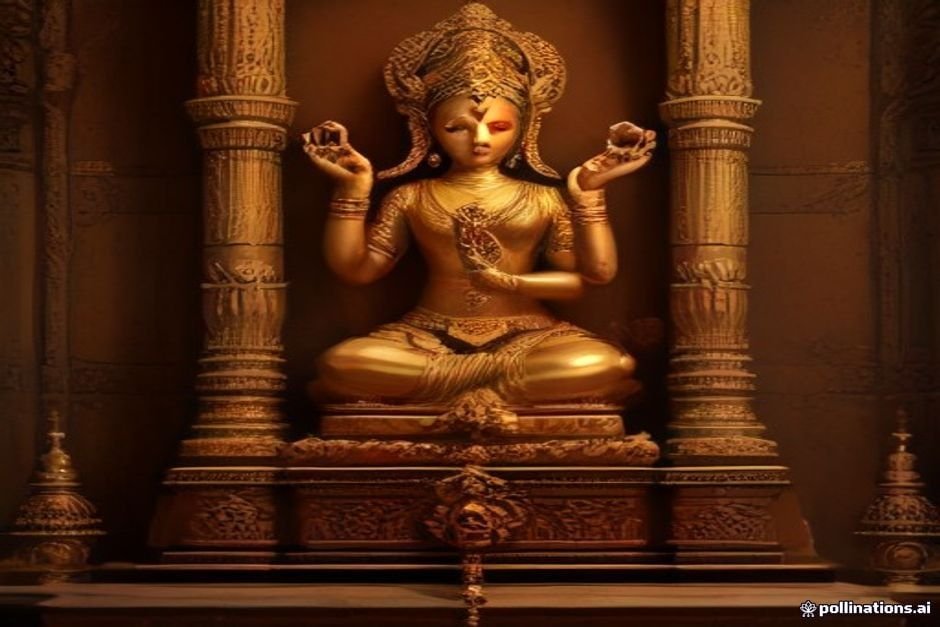
1000 Names Of Lord Rama: Complete Sacred Names And Their Divine Meanings
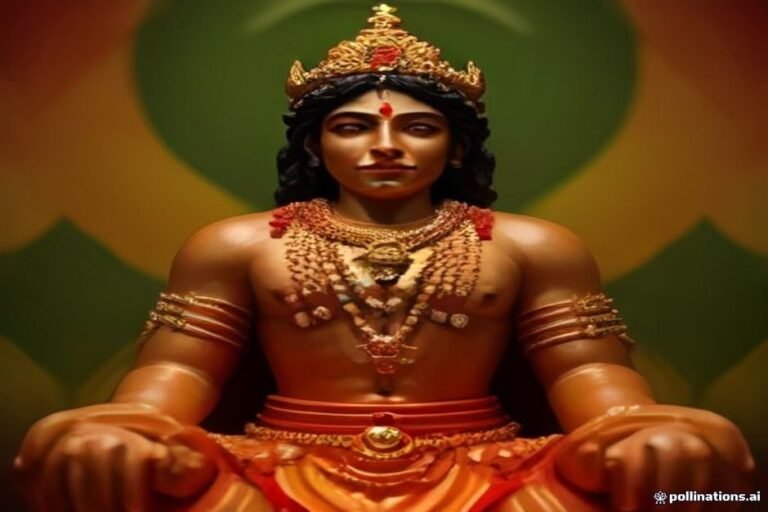
The divine figure of Lord Rama holds a central place in Hindu philosophy and devotion. Devotees worldwide reverence him through meditation, prayer, and the chanting of his sacred names. Understanding 1000 names of Lord Rama provides spiritual seekers with deeper insight into his multifaceted divine nature and infinite qualities. These names, drawn from ancient scriptures and devotional traditions, encapsulate the essence of righteousness, compassion, and cosmic power.
Understanding the 1000 Names of Lord Rama
The concept of divine names in Hindu tradition reflects the infinite qualities and manifestations of the Supreme Being. Lord Rama, the seventh incarnation of Vishnu, is celebrated through countless epithets that describe his virtues, deeds, and cosmic roles.
These sacred names serve both spiritual and practical purposes in daily worship and meditation. Chanting them is believed to invoke divine grace and purify the mind and heart.
Names from the Ramayana and Hindu Texts
The great epic Ramayana provides the foundational source for understanding Rama’s divine identity and characteristics. Additional names come from Puranas, philosophical texts, and centuries-old devotional traditions across different regions of India.
Primary Divine Names and Titles
- Rama (the one who brings joy)
- Ramachandra (Rama with a moon-like face)
- Hari (the remover of darkness)
- Parabrahman (Supreme Brahman)
- Jagannatha (Lord of the universe)
- Bhagavan (the fortunate one)
- Purusottama (the Supreme Being)
- Paramatman (the Universal Soul)
- Hari (green, the Lord Vishnu)
- Trivikrama (the three-step incarnation)
- Mahavishnu (the great Vishnu)
- Narayana (source of all beings)
- Vasudeva (dwelling in all beings)
- Damodara (bound by love and affection)
- Govinda (the finder of cows)
- Madhusudan (destroyer of the demon Madhu)
- Janardhan (the quick deliverer)
- Padmanabha (lotus-naveled one)
- Sankarshan (the destroyer of evil)
- Pradyumna (possessing supreme might)
- Aniruddha (without bonds or restrictions)
- Sahasranetra (thousand-eyed one)
- Mahendra (great Indra)
- Chakrapani (holder of the divine disc)
- Shankara (giver of prosperity)
Names Describing Rama’s Heroic Exploits
- Ravana-Jaya (conqueror of Ravana)
- Dasaratha-Nandana (son of Dasaratha)
- Raghu-Nandana (descendant of the Raghu dynasty)
- Sita-Pati (consort of Sita)
- Ayodhya-Pati (lord of Ayodhya)
- Lakshman-Sahayi (accompanied by Lakshman)
- Sugriva-Sakha (friend of Sugriva)
- Hanuman-Priya (beloved of Hanuman)
- Lanka-Vijayee (conqueror of Lanka)
- Ravanavadha-Kaari (slayer of Ravana)
- Setu-Bandha-Kaari (builder of the bridge)
- Samudra-Taraka (crosser of the ocean)
- Vali-Hantri (slayer of Vali)
- Kumbhakarna-Mardhaka (crusher of Kumbhakarna)
- Meghnath-Jita (conqueror of Meghnath)
- Khara-Asuravadha (destroyer of demon Khara)
- Maricha-Mardhaka (crusher of Maricha)
- Tataka-Samhaara (destroyer of Tataka)
- Subahu-Vinasa (annihilator of Subahu)
- Panchavati-Vasi (dweller of Panchavati)
- Dandaka-Vihara (wanderer of Dandaka forest)
- Chitrakuta-Vasee (resident of Chitrakuta)
- Bhrigu-Samman (respector of sage Bhrigu)
- Parasurama-Bhayankara (feared by Parasurama)
- Tulsidas-Ista (beloved of Tulsidas)
Names of Spiritual and Cosmic Qualities
- Satya (truth)
- Dharma (righteousness)
- Ahimsa (non-violence)
- Tapas (penance and austerity)
- Yogeshwara (master of yoga)
- Jnana-Sagar (ocean of knowledge)
- Veda-Swarup (embodiment of Vedas)
- Brahma-Gyana (knowledge of Brahman)
- Atma-Jnana (knower of self)
- Moksha-Daa (giver of liberation)
- Bhakti-Vatsala (lover of devotees)
- Karuna-Sagara (ocean of compassion)
- Kripa-Mayi (full of grace)
- Prema-Vigraha (form of love)
- Santam (peaceful one)
- Shanti-Priya (lover of peace)
- Ananda-Mayee (full of bliss)
- Brahmananda-Swarup (embodiment of infinite joy)
- Sad-Atma (eternal self)
- Avinashi (imperishable)
- Nitya (eternal)
- Akshara (immutable)
- Avyaya (imperishable)
- Sarva-Vyapi (all-pervading)
- Sarva-Sakti-Man (possessor of all powers)
Names Reflecting Divine Beauty and Form
- Sundara (beautiful)
- Amitabuddhi (infinite intelligence)
- Padma-Lochan (lotus-eyed)
- Cakra-Chakshuh (disc-eyed)
- Bala-Lila-Prabhu (master of playful deeds)
- Yogi-Manjari (ornament of yogis)
- Maharshi-Vandya (worshipped by great sages)
- Deva-Devam (god of gods)
- Murari (enemy of Mura demon)
- Vikrama (valiant)
- Vira-Pungava (best of heroes)
- Mahabala (tremendously strong)
- Bhima-Paraadhkrama (beyond description in prowess)
- Ananta-Veerya (infinite valor)
- Udbhava (originated from divine source)
- Paripurna (complete)
- Sarva-Guna-Sampanna (endowed with all virtues)
- Chaturbhuja (four-armed)
- Varanastha (resident of Varanasi)
- Satyavrata (vow-keeper of truth)
Names from Devotional Traditions
- Raman (one who brings delight)
- Raghupati (lord of Raghu dynasty)
- Raghunatha (protector of Raghu line)
- Bhagatvatsala (tender to devotees)
- Tulsi-Rama (Rama of Tulsidas)
- Maryada-Purushottama (personification of moral code)
- Aatma-Rama (soul itself)
- Sachidananda (existence-consciousness-bliss)
- Sagaramathana (ocean-measurer)
- Samudra-Vidya (knower of ocean)
- Vana-Vihari (forest dweller)
- Vanita-Vatsala (protector of women)
- Bhakti-Siddha (perfected through devotion)
- Prana-Priya (beloved of life)
- Hridaya-Vasee (dweller in hearts)
- Antaranga-Sakhi (inner companion)
- Bhavishya-Drishta (seer of future)
- Kala-Jnana (knower of time)
- Lila-Vidhata (maker of divine play)
- Nitya-Tantu (eternal thread)
Names Signifying Cosmic Functions
- Sristi-Karta (creator)
- Sristi-Paalaka (sustainer)
- Sristi-Samhaari (destroyer)
- Brahma-Sthiti (creative principle)
- Vishnu-Sthiti (sustaining principle)
- Shiva-Sthiti (destructive principle)
- Kshitija-Pati (lord of horizons)
- Ambara-Pati (lord of sky)
- Pataala-Pati (lord of nether worlds)
- Tejas-Swarup (embodiment of radiance)
- Agni-Sakta (fire-powered)
- Vayu-Vallabha (beloved of wind)
- Prithvi-Palaka (sustainer of earth)
- Jala-Adhipa (lord of waters)
- Bhumi-Bharta (bearer of earth)
- Surya-Amsha (ray of sun)
- Chandra-Kanta (beloved of moon)
- Tara-Mandala-Adhipa (lord of stars)
- Tribhuvana-Pati (lord of three worlds)
- Chakra-Dhari (bearer of disc)
Names from the Ramayana Narrative
- Ayodhya-Nagara-Chakravartin (emperor of Ayodhya city)
- Kaushalya-Nandana (joy of Kaushalya)
- Dasaratha-Priya-Tanaya (beloved son of Dasaratha)
- Sumitra-Duhkha-Hanta (reliever of Sumitra’s sorrow)
- Kaikeyi-Madhyastham (mediator for Kaikeyi)
- Bharata-Bandhu (brother of Bharata)
- Lakshman-Anuja (elder brother of Lakshman)
- Sita-Sneha-Sagara (ocean of love for Sita)
- Vaidehi-Vallabha (beloved of Vaidehi)
- Prajapati-Brahma-Rakshaka (protector of Brahma)
- Janaka-Shwasura (father-in-law of Janaka)
- Mithila-Pati (lord of Mithila)
- Agni-Sakshi (witnessed by fire)
- Urmila-Devar (brother of Urmila)
- Mandavi-Duhkha-Nashaka (remover of Mandavi’s sorrow)
- Shruta-Keerti-Vahan (carrier of good repute)
- Vanita-Rakshaka (protector of women)
- Pati-Seva-Priya (lover of wife service)
- Tapasya-Parama-Sevaka (servant of austerity)
- Kshama-Samudra (ocean of forgiveness)
Names Reflecting Moral and Ethical Qualities
- Satya-Pada-Paalaka (protector of truth)
- Satya-Priya (lover of truth)
- Satya-Sakshi (witness of truth)
- Satya-Sankalpa (truthful will)
- Satya-Vaadi (speaker of truth)
- Dharma-Rakshaka (protector of dharma)
- Dharma-Sthapaka (establisher of dharma)
- Dharma-Bhrikta (sustainer of dharma)
- Adharma-Mardhaka (crusher of unrighteousness)
- Nyaya-Priya (lover of justice)
- Nyaya-Rakshaka (protector of justice)
- Kshatriya-Shreshta (best of warriors)
- Vira-Virendra (king of heroes)
- Shastra-Praveen (expert in weapons)
- Niti-Vidya (knower of policy)
- Rajya-Shastra-Tat-Parna (student of statecraft)
- Praja-Ranjaka (pleaser of people)
- Praja-Palaka (protector of subjects)
- Praja-Priya (beloved of subjects)
- Raja-Lakshmi-Daya (giver of royal fortune)
Names Associated with Divine Compassion
- Bhakta-Vatsala (tender to devotees)
- Bhakta-Palaka (protector of devotees)
- Bhakta-Priya (beloved of devotees)
- Bhakti-Siddha (perfected through devotion)
- Bhakti-Ananda (bliss of devotion)
- Prema-Murta (embodiment of love)
- Sneha-Sagara (ocean of affection)
- Daya-Murta (embodiment of compassion)
- Karuna-Nidhi (treasure of mercy)
- Karuna-Lahari (wave of compassion)
- Sharan-Agata-Palaka (protector of seekers of refuge)
- Sharan-Phalada (giver of fruit to seekers)
- Tapasvi-Vatsala (tender to ascetics)
- Rishi-Rakshaka (protector of sages)
- Muni-Jana-Vandeya (worshipped by sages)
- Brahmin-Bandhu (friend of Brahmins)
- Brahmin-Rakshaka (protector of Brahmins)
- Dalit-Uddharana (uplift of downtrodden)
- Papahara (remover of sins)
- Papa-Vikrama (conqueror of sin)
Names from Hanuman Chalisa and Devotional Poetry
- Raghubar (chief of Raghu line)
- Bhuj-Danda (mighty arm)
- Chaturbhuj-Dhari (bearer of four arms)
- Chandopavasara-Natha (lord of moonlit evenings)
- Ratna-Garbha (treasure-filled)
- Mani-Griva (jeweled neck)
- Pushpa-Kesara (flower-fragrant)
- Amrit-Amshum (ray of nectar)
- Sudha-Sagara (ocean of nectar)
- Kalpavriksha (wish-fulfilling tree)
- Veda-Vilas-Priya (lover of Vedic play)
- Tirtha-Prabhu (lord of pilgrimage sites)
- Yoga-Nabha (hub of yoga)
- Nadi-Nandana (river source)
- Saritam-Sagara-Sangama (confluence of rivers and ocean)
- Pushti-Vardhan (increaser of nourishment)
- Sukh-Sampada-Dayak (giver of happiness and wealth)
- Ananda-Daya (bestower of bliss)
- Nanda-Vardhana (increaser of joy)
- Harsha-Hara (remover of sorrow)
Names Emphasizing Divine Supremacy
- Parama-Brahman (Supreme Brahman)
- Parama-Atman (Supreme Self)
- Parama-Jyoti (Supreme Light)
- Parama-Shakti (Supreme Power)
- Parama-Prabhu (Supreme Lord)
- Parama-Purusha (Supreme Being)
- Adi-Deva (original God)
- Sarva-Deva-Mahamaharaja (king of all gods)
- Visva-Natha (lord of universe)
- Visva-Kartri (creator of universe)
- Visva-Bhartri (sustainer of universe)
- Visva-Pranava (cosmic sound)
- Brahmananda (bliss of Brahman)
- Satya-Ananda (truth-bliss)
- Ananta-Ananda (infinite bliss)
- Purna-Brahman (complete Brahman)
- Sarva-Shakti-Sampanna (endowed with all powers)
- Sarva-Guna-Nidhana (treasure of all qualities)
- Sarva-Manga-Prakara (repository of all auspiciousness)
- Sarva-Kama-Prada (fulfiller of all desires)
Names Related to Divine Attributes and Symbols
- Chakra-Dhari (bearer of disc)
- Shankha-Pada (conch-holding)
- Gada-Pani (mace-holder)
- Padma-Pada (lotus-footed)
- Saranga-Dhanush-Dhari (bow-holder Saranga)
- Shareeropeta (arrow-armed)
- Astra-Siddha (perfected in weapons)
- Shastra-Nipu (expert in weaponry)
- Sudarshana-Chakra-Dhari (bearer of Sudarshana disc)
- Kamandalu-Yogi (ascetic with pot)
- Mala-Dhari (wearer of garland)
- Tulasi-Priya (lover of tulasi)
- Rudraksham-Bhushita (adorned with Rudraksha)
- Vibhuti-Smrita (marked with ash)
- Chandana-Lalipta (anointed with sandalwood)
- Pushpa-Manjara (flower garland wearer)
- Kiriti-Krama (bearer of diadem)
- Makara-Kundala (crocodile-eared)
- Ratna-Kancana (jeweled and golden)
- Ananta-Bhogas (infinite ornaments)
Names from Rama Raksha Stotra
- Rama-Nama-Mahatmya (glory of Rama’s name)
- Rakshaka (protector)
- Rakshanam-Adhipa (lord of protection)
- Bhaya-Haraka (remover of fear)
- Dukha-Nashaka (destroyer of sorrow)
- Bhava-Bandhu (friend in worldly life)
- Bhava-Tarana-Boata (boatman of worldly ocean)
- Shanti-Dayaka (giver of peace)
- Anugraha-Daya (bestower of grace)
- Shuddha-Satva (pure essence)
- Nirmala-Prabhava (stainless radiance)
- Akshara-Brahman (imperishable Brahman)
- Nitya-Mukta (eternally liberated)
- Maha-Mune (great sage)
- Maha-Vrata (great vow-keeper)
- Maha-Ratha (great warrior)
- Maha-Bhava (great feelings)
- Maha-Yoga (great union)
- Maha-Jyoti (great light)
- Maha-Shakti (great power)
Names Honoring Rama’s Incarnation Purpose
- Daitya-Daman (subduer of demons)
- Daitya-Mardhaka (crusher of demons)
- Dushta-Samhara-Kari (destroyer of wicked)
- Papendra-Mardhaka (crusher of sin-lord)
- Adharma-Ghna (destroyer of unrighteousness)
- Tapas-Rakshaka (protector of austerity)
- Yajna-Rakshaka (protector of sacrifice)
- Veda-Rakshaka (protector of Vedas)
- Rishi-Rakshaka (protector of sages)
- Devata-Rakshaka (protector of gods)
- Manushya-Rakshaka (protector of humans)
- Sura-Palaka (sustainer of gods)
- Devendra-Bandhu (friend of Indra)
- Surya-Bandhu (friend of sun)
- Chandra-Bandhu (friend of moon)
- Vatu-Rakshaka (protector of wind)
- Agni-Rakshaka (protector of fire)
- Jala-Rakshaka (protector of water)
- Prithvi-Rakshaka (protector of earth)
- Ether-Adhipa (lord of space)
Additional Sacred Names and Epithets
- Uttama-Purusha (supreme person)
- Nara-Narayana (divine man)
- Maha-Purusha (great being)
- Ananta-Rupee (infinite forms)
- Sarvapada-Sthita (all-pervading)
- Mantra-Murta (embodiment of mantras)
- Shastra-Sthapak (establisher of scriptures)
- Sukta-Kara (maker of hymns)
- Gita-Kartri (composer of Gita)
- Kama-Vinasak (destroyer of desire)
- Lobha-Jaya (conqueror of greed)
- Krodha-Shamak (subduer of anger)
- Moha-Nashak (destroyer of delusion)
- Ahamkara-Mardhak (crusher of ego)
- Mada-Samhara (destroyer of pride)
- Avanam-Shakti (power of devotion)
- Bhakti-Lakshana (marked by devotion)
- Rati-Nara (man of emotion)
- Prema-Bandhu (friend of love)
- Sneha-Vallabh (beloved of affection)
For more on Hindu scriptures and the spiritual significance of divine names, see The Ramayana on Wikipedia.
The practice of reciting these sacred names has been central to Hindu worship for millennia. Whether you’re exploring Rama’s spiritual dimensions or deepening your devotional practice, these names offer pathways to understanding his infinite divine nature. See also our guide on Radha Names 108 for similar sacred name lists, and explore Nakshatra Names With Rashi for Vedic naming traditions.
Frequently Asked Questions
What is the significance of chanting Rama’s names?
Chanting Rama’s names is believed to invoke divine grace, purify the mind, and strengthen spiritual connection. Regular recitation is said to bring peace, protection, and spiritual advancement according to Hindu devotional practices.
Are these 1000 names from a single scripture?
These names come from multiple sources including the Ramayana, various Puranas, Rama Raksha Stotra, devotional poetry, and centuries of Hindu tradition. No single text contains all of them.
How should these names be chanted?
Names can be chanted during meditation, prayer, or daily worship. Many devotees use mala beads (108 beads) to count repetitions, while others incorporate them into bhajans (devotional songs).
Can non-Hindus benefit from chanting these names?
Yes, the spiritual benefits of divine name recitation are considered universal. Many people of different faiths appreciate the meditative and spiritual qualities of chanting sacred names.
What is the difference between Rama and Ramachandra?
Rama is the simple name, while Ramachandra specifically references his moon-like beautiful face. Both refer to the same divine incarnation with slightly different emphasis.