
Names of Lord Shiva for baby boy: Sacred Hindu Names with Meanings
Choosing a name for your newborn is one of the most significant decisions a parent can make, especially in Hindu traditions where names carry deep spiritual and cultural meaning. The practice of names of lord shiva for baby boy selection represents a beautiful blend of devotion and cultural heritage. In Hindu mythology, Lord Shiva is revered as one of the principal deities, embodying cosmic energy, transformation, and spiritual enlightenment. Parents seeking to honor this sacred tradition often turn to the vast treasury of Shiva’s divine names, each carrying unique meanings and spiritual vibrations that can bless a child’s life journey.
Understanding the Significance of Names of Lord Shiva for Baby Boy
The concept of divine names in Hindu tradition goes back thousands of years. In Sanskrit, names are not merely labels but carriers of energy and consciousness. The 1000 names of lord shiva for baby boy tradition stems from ancient scriptures, particularly the Shiva Sahasranama, which is a powerful hymn listing the thousand names of Lord Shiva. These names encapsulate various attributes, powers, and divine qualities of the supreme consciousness.
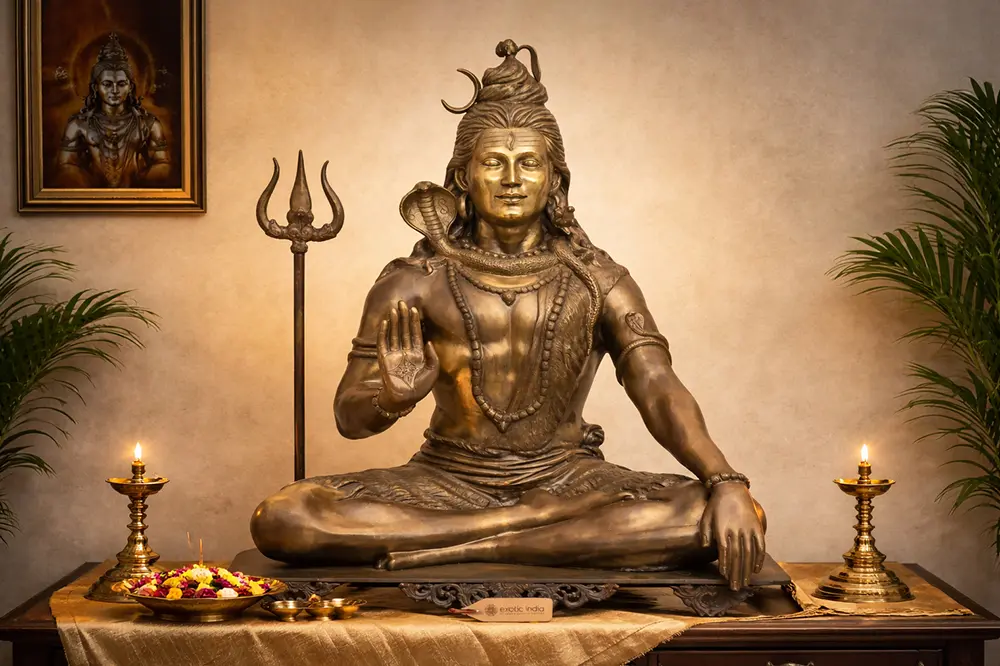
When parents choose a name for their baby boy from this sacred collection, they are essentially invoking the blessings and qualities associated with that particular name. This practice is deeply rooted in the belief that a child will embody and grow into the qualities represented by their name. The Shiva Sahasranama appears in the Mahabharata and other Puranic texts, making it one of the most authoritative sources for these divine appellations.
Understanding the spiritual context of these names helps parents make informed choices that resonate with their family’s values and spiritual aspirations. Each name functions as a mantra in its own right, carrying vibrational frequencies that Hindu philosophy believes can influence a person’s destiny and character development throughout life.
The Spiritual Power of Divine Names
In Hindu philosophy, the practice of chanting or meditating upon divine names is considered a powerful spiritual discipline known as nama japa or nama smarana. When a child is given a name representing Lord Shiva’s attributes, it creates a constant subtle reminder of higher spiritual principles. The vibrations of Sanskrit names are believed to have specific effects on the mind and consciousness of both the child and those who call upon that name.
The repetition of divine names is said to purify the mind, elevate consciousness, and create positive karmic influences. Parents who choose names from the Shiva Sahasranama tradition believe they are not only giving their child an identity but also establishing a spiritual foundation for their growth and development. This ancient practice continues to be relevant in modern times as families seek meaningful ways to connect their children to cultural and spiritual roots.
Popular Shiva Names for Baby Boys with Meanings
Below is a curated selection of authentic names derived from the Shiva Sahasranama and other sacred Hindu texts, organized by their spiritual significance:
Names Representing Divine Power and Strength
- Rudra – The fierce form of Shiva; lord of storms and cosmic power
- Mahesh – The great lord; supreme consciousness
- Mahadev – The greatest deity; ultimate god
- Bhairav – The terrifying form; destroyer of fear and ignorance
- Kailash – Named after Mount Kailash, Shiva’s abode
- Bhoj – The one who enjoys cosmic abundance
- Virabhadra – The mighty warrior created by Shiva’s wrath
- Arun – The rising sun; symbol of new beginnings
- Ishan – The ruling lord; one of Shiva’s five forms
- Veerabhadra – The one with courage and strength
Names Reflecting Meditation and Transcendence
- Dhyan – Meditation itself personified
- Yogi – The ultimate ascetic and meditator
- Muni – The sage and contemplative one
- Yogesh – The lord of yogis and spiritual practices
- Tapas – Spiritual heat and austerity
- Brahmanand – The bliss of ultimate consciousness
- Ananda – Divine bliss and joy
- Shuddhanand – Pure and untainted bliss
- Moksha – Liberation and final salvation
- Atman – The eternal soul and inner self
Names Associated with Cosmic Creation
- Brahma – Associated with creation and cosmic energy
- Vishwanath – Lord of the universe
- Jagannath – Master of the cosmos
- Lokesh – The ruler of all worlds
- Chakresh – The one who controls the cosmic wheel
- Prajapati – The lord of creation
- Akash – The sky and infinite space
- Adya – The primal cosmic force
- Brahmin – Associated with Brahman, ultimate reality
- Cosmic – Relating to universal consciousness
Names Honoring Shiva’s Forms and Manifestations
- Nataraj – The cosmic dancer; king of dance
- Chandrasekhar – The one who wears the moon as an ornament
- Gangadhar – The one who holds the Ganges river
- Mahakaal – The lord of time itself
- Shankara – The auspicious and benevolent one
- Parameshwar – The supreme lord and controller
- Nilkantha – The blue-throated one; from drinking cosmic poison
- Trinetra – The three-eyed lord
- Mahakal – The eternal cosmic time
- Pashupatinath – The lord of all creatures
Names Representing Benevolence and Protection
- Shiva – The auspicious; the one who brings welfare
- Hara – The one who removes suffering and obstacles
- Ishwara – The supreme controller and protector
- Mahesvara – The great lord and guardian
- Sambhu – The one who brings joy and happiness
- Umapati – The beloved of Uma (Parvati)
- Tryambak – The three-eyed protector
- Karpuradhari – The one adorned with sacred ash
- Mahendra – The great warrior king
- Mrityunjay – The conqueror of death itself
These names represent only a small fraction of the divine appellations associated with Lord Shiva. The complete collection of 1000 names encompasses hundreds of additional names, each with its own profound significance and spiritual resonance. Parents are encouraged to explore the Shiva Sahasranama from authoritative sources to understand the complete tradition and choose names that align with their spiritual intentions.
Also read Names of Krishna for Baby Boy: 150+ Divine Sacred Names and Their Meanings.
How to Choose the Right Shiva Name for Your Baby Boy
Selecting from 1000 names of lord shiva for baby boy requires thoughtful consideration of several factors. First, consider the pronunciation and how the name flows with your family surname. A name that is easy to pronounce in your local language and cultural context while maintaining its Sanskrit pronunciation can be ideal.
Second, reflect on the meaning and qualities you wish to cultivate in your child. If you value spiritual wisdom, names like Yogesh or Dhyan might resonate. For physical strength and courage, names like Rudra or Veerabhadra may be more appropriate. Third, consider consulting with spiritual teachers, family elders, or religious scholars who can provide guidance based on the child’s birth chart and astrological considerations.
Many families also perform traditional naming ceremonies (naamkaran) that include the input of astrological experts who may recommend specific names based on the child’s birth time, date, and natal position of planets. This holistic approach ensures that the chosen name is not only meaningful but also astrologically harmonious for the child’s life journey.
The Practice of Chanting and Meditation with Shiva Names
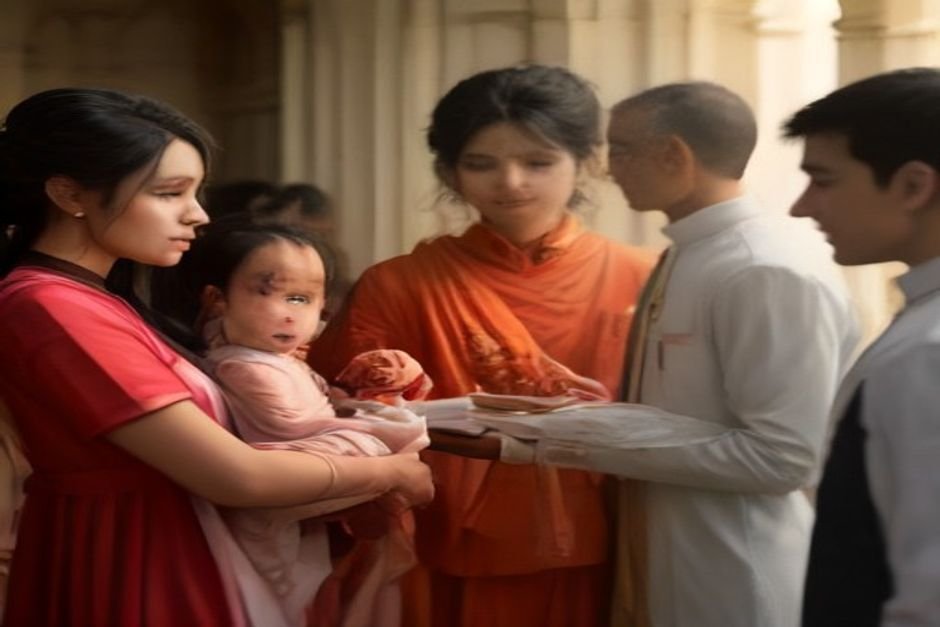
Once you have chosen a name for your baby boy, the spiritual journey truly begins. Many Hindu families engage in the practice of regularly reciting or meditating upon their child’s name combined with mantra chanting. This creates a powerful spiritual field around the child that supports their development and protects them from negative influences.
The practice of nama japa, or repetition of the divine name, is considered one of the most accessible and powerful spiritual disciplines in Hindu philosophy. Parents can chant their child’s name in a meditative state, blessing them with the qualities and powers represented by that particular name. Over time, this practice is believed to strengthen the child’s connection to the divine qualities embodied in their name.
You might also consider teaching your child about the meaning and significance of their name as they grow older. This educational approach helps them develop a conscious connection to their spiritual heritage and understand the deeper purpose behind their identity. Many children find great inspiration in knowing that their name carries the blessings and attributes of the supreme consciousness.
Cultural and Religious Significance of Shiva Names
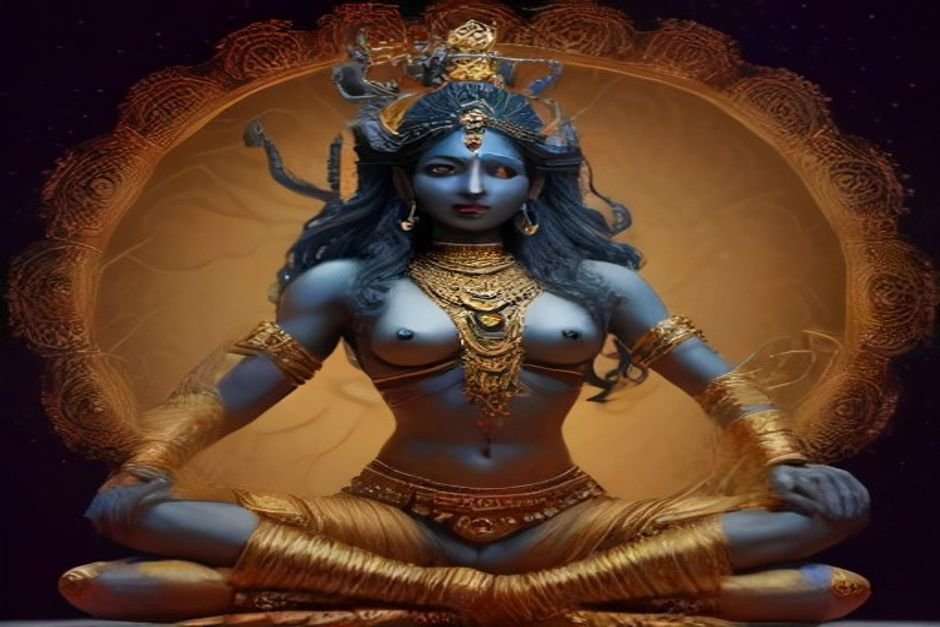
In Hindu culture, naming a child is far more than a practical necessity; it is a sacred act of faith and devotion. The tradition of selecting from Shiva’s names reflects a deep understanding that words carry power and that a person can grow into the qualities their name represents. This practice has been documented in ancient Hindu texts and continues to be honored across India and Hindu communities worldwide.
The reverence for Shiva as a deity encompasses multiple dimensions of spiritual understanding. He is worshipped as the destroyer of evil and ignorance, the cosmic dancer maintaining the rhythm of creation and destruction, the ultimate yogi embodying meditation and spiritual discipline, and the compassionate father figure protecting all beings. Each of his names captures a different facet of these multidimensional qualities.
When parents choose a Shiva name for their son, they are participating in an ancient tradition that honors the continuity of Hindu spiritual culture. This choice represents a conscious decision to anchor the child’s identity in timeless spiritual values while equipping them with a name that carries blessings from one of Hinduism’s most revered deities.
Modern Applications and Global Perspective
While these naming traditions are rooted in ancient Hindu practices, their relevance extends to modern times. In our contemporary world, many parents seek names that are meaningful, unique, and carry cultural significance. The 1000 names of lord shiva for baby boy collection offers a rich repository of names that are aesthetically beautiful, phonetically harmonious, and deeply meaningful.
Hindu communities across the globe, from India to the United States, Canada, the United Kingdom, Australia, and beyond, continue to honor this naming tradition. Many multicultural families appreciate Shiva names because they work well in multiple languages and carry universal spiritual values that transcend cultural boundaries.
Modern parents can access these names through various resources including spiritual books, online databases, religious websites, and consultations with Hindu priests and scholars. The democratization of information has made it easier than ever to explore the rich tradition of divine naming and select names that resonate with contemporary families.
Frequently Asked Questions About Shiva Names for Baby Boys
What is the Shiva Sahasranama, and where does it come from?
The Shiva Sahasranama is a sacred text consisting of 1,000 names of Lord Shiva, primarily found in the Shiva Purana and referenced in the Mahabharata. This ancient hymn has been revered for thousands of years as a powerful spiritual text. Devotees believe that reciting or meditating upon these names brings spiritual benefits and divine blessings. The text is particularly significant in Hindu philosophy and continues to be chanted in temples and homes throughout the Hindu world.
Can I choose any Shiva name for my baby boy, or should I consult an astrologer?
While you can absolutely choose any Shiva name that resonates with your family’s values and spiritual intentions, many Hindu families consult with astrologers to ensure the chosen name aligns with the child’s birth chart and astrological profile. This consultation can provide additional insights into which names might be particularly beneficial based on planetary positions and numerological considerations. However, the choice ultimately depends on your family’s beliefs and preferences.
How can I teach my child about the significance of their Shiva name?
As your child grows, you can share the meaning and spiritual significance of their name during family conversations, religious observances, and cultural celebrations. You might tell them stories from Hindu mythology related to Lord Shiva and the specific qualities their name represents. Many families also introduce children to basic mantras or meditations related to their names, helping them develop a deeper connection to their spiritual heritage and understand how their identity connects to larger spiritual principles.
Conclusion
The tradition of selecting 1000 names of lord shiva for baby boy represents a beautiful intersection of spiritual devotion, cultural heritage, and practical naming wisdom. Whether you choose names like Mahesh, Rudra, Yogesh, or any other divine appellation, you are participating in a time-honored tradition that blesses your child with spiritual significance and cultural identity.
These sacred names carry the accumulated spiritual energy and reverence of countless generations of Hindu devotees. By giving your son a name from this rich tradition, you are offering him more than just an identity you are establishing a spiritual foundation that can guide and inspire him throughout his life. The vibrations of Sanskrit, the meanings embedded in each name, and the conscious intention behind the selection all work together to create a powerful blessing for your child’s future.