5 Freedom Fighters Images With Names: Iconic Leaders of Independence
Understanding history requires connecting faces with names and achievements. This comprehensive guide presents 5 freedom fighters images with names, offering educational insights into the lives of iconic independence leaders who shaped modern nations. These historical figures fought against colonial rule and oppression, leaving lasting legacies that continue to inspire generations. Whether you’re a student studying history or someone interested in learning about influential historical figures, this resource provides accurate information about these remarkable freedom fighters.
5 Freedom Fighters Images With Names: Overview
Freedom fighters are individuals who dedicated their lives to liberating their nations from colonial or authoritarian rule. Each of these five leaders brought unique qualities, strategies, and visions to their independence movements.
The following sections detail each freedom fighter’s background, contributions, and historical impact.
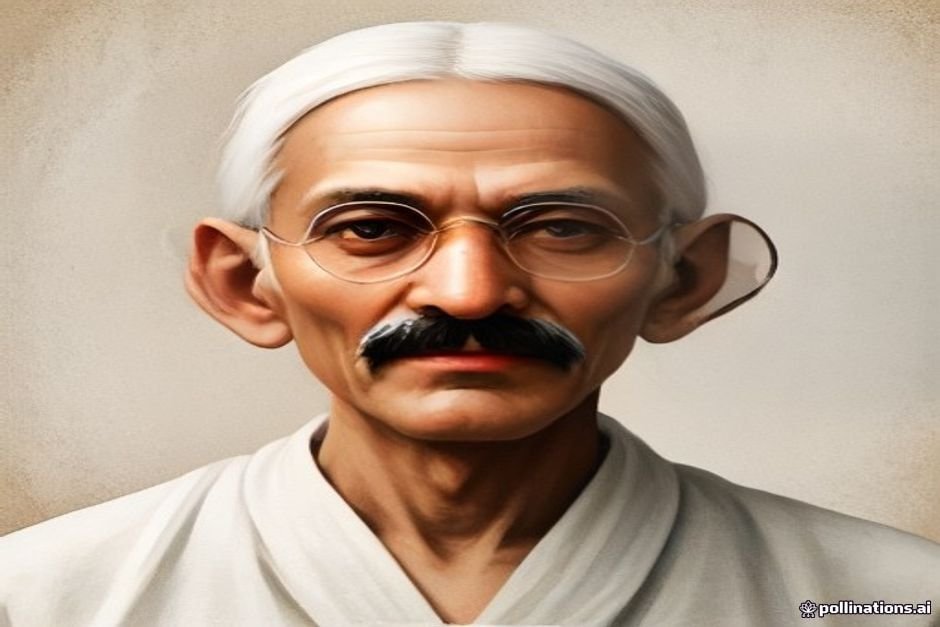
1. Mahatma Gandhi (1869-1948)
Mohandas Karamchand Gandhi, known worldwide as Mahatma Gandhi, led India’s independence movement through non-violent resistance and civil disobedience. His philosophy of Satyagraha (truth-force) became a model for peaceful protest movements globally.
Gandhi’s key contributions included organizing the Salt March in 1930, leading the Quit India Movement of 1942, and advocating for religious harmony and unity. His assassination in 1948 shocked the world, but his legacy of non-violent activism remains profoundly influential.
- Birth: October 2, 1869, in Porbandar, Gujarat, India
- Death: January 30, 1948, in New Delhi, India
- Most Famous Act: The Salt March (Dandi March) of 1930
- Philosophy: Non-violence (Ahimsa) and civil disobedience
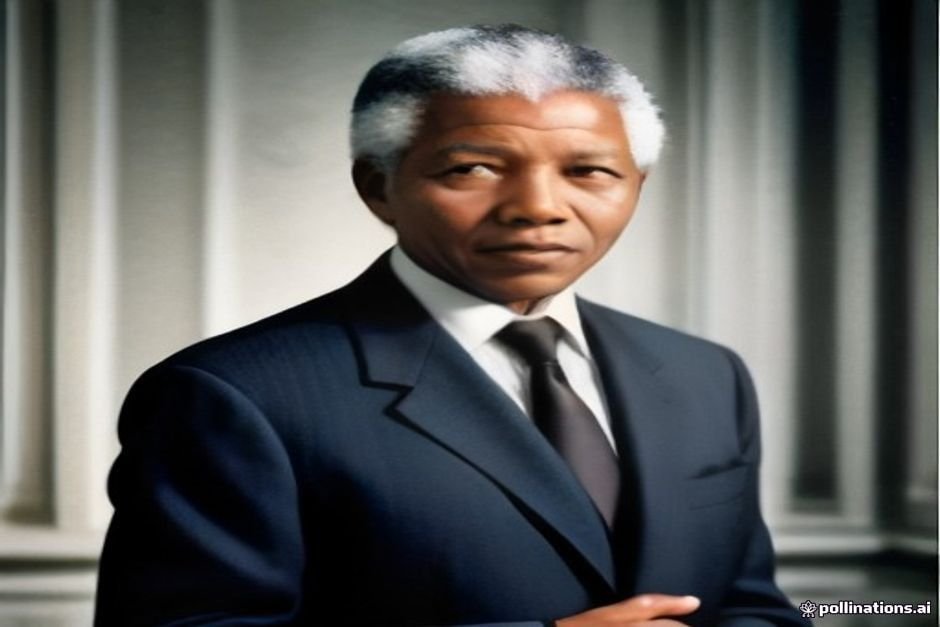
2. Nelson Mandela (1918-2013)
Nelson Rolihlahla Mandela fought against apartheid in South Africa, spending 27 years in prison before becoming the nation’s first Black president. His commitment to equality and reconciliation transformed South Africa peacefully.
Mandela’s leadership during the transition from apartheid to democracy earned him international recognition and the Nobel Peace Prize. His autobiography, “Long Walk to Freedom,” documents his extraordinary journey and political evolution.
- Birth: July 18, 1918, in Mvezo, South Africa
- Death: December 5, 2013, in Johannesburg, South Africa
- Prison Years: 27 years (1962-1990)
- Presidential Term: 1994-1999
3. Simón Bolívar (1783-1830)
Simón José Antonio de la Santísima Trinidad Bolívar y Palacios liberated six nations from Spanish colonial rule across South America. Known as “El Libertador” (The Liberator), Bolívar was one of history’s most influential military commanders.
He founded Bolivia (named in his honor), led campaigns across Venezuela, Colombia, Ecuador, Peru, Panama, and Bolivia. Despite his military successes, internal conflicts prevented the unified South American state he envisioned.
- Birth: July 24, 1783, in Caracas, Venezuela
- Death: December 17, 1830, in Santa Marta, Colombia
- Nations Liberated: Six South American nations
- Title: El Libertador (The Liberator)
4. Joan of Arc (1412-1431)
Joan of Arc, a French peasant girl, led military forces during the Hundred Years’ War against English occupation. Despite being only 17 years old when she began her military campaign, she inspired French troops to significant victories.
Captured and tried for heresy, Joan was executed by burning in 1431. She was canonized as a saint in 1920 and remains a symbol of courage, faith, and French national pride.
- Birth: January 6, 1412, in Domrémy, France
- Death: May 30, 1431, in Rouen, France (executed)
- Age During Military Service: 17-19 years old
- Canonization: May 16, 1920
5. Che Guevara (1928-1967)
Ernesto Rafael Guevara de la Serna, known as Che Guevara, was an Argentine revolutionary who fought in Cuba’s revolution and later attempted similar insurgencies in other countries. His image became iconic in revolutionary movements worldwide.
Though controversial for his methods and ideology, Che’s dedication to fighting for social justice and against imperialism attracted widespread attention. He was executed in Bolivia in 1967, further cementing his legend among revolutionary movements.
- Birth: June 14, 1928, in Rosario, Argentina
- Death: October 8, 1967, in La Higuera, Bolivia (executed)
- Famous Role: Commander in Cuban Revolution (1956-1959)
- Iconic Symbol: Revolutionary movements worldwide
Quick Facts About These Freedom Fighters
These five individuals represent different continents, time periods, and approaches to fighting oppression. Their methods ranged from non-violent resistance to armed rebellion, yet all sought to free their peoples from unjust rule.
Three of these fighters (Gandhi, Mandela, and Bolívar) succeeded in achieving major political transformations. Joan of Arc and Che Guevara became legendary despite tragic endings, influencing movements far beyond their lifetimes.
Historical Impact and Legacy
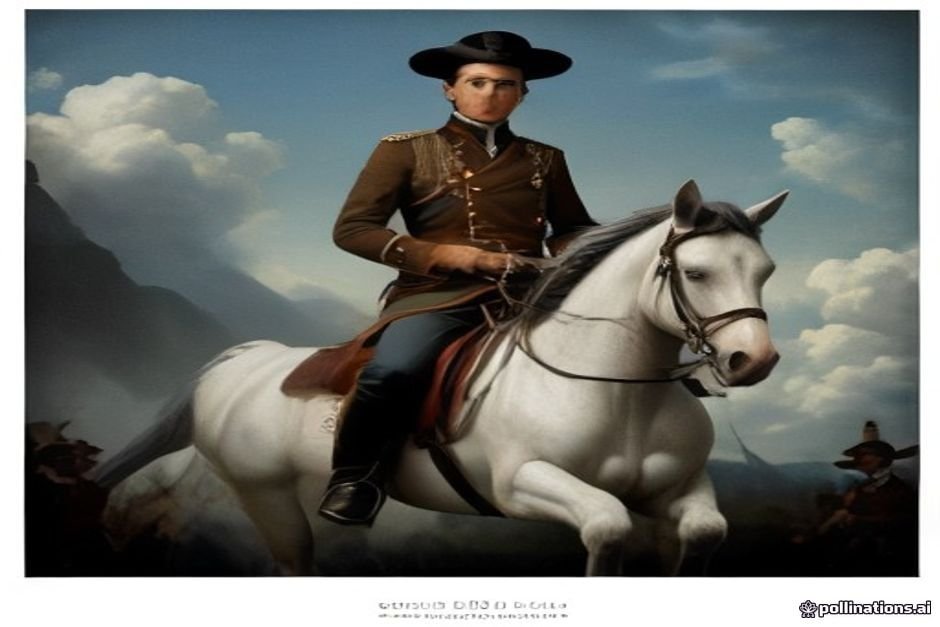
The 5 freedom fighters images with names featured here represent some of the most influential figures in world history. Their strategies, philosophies, and sacrifices continue to be studied in educational institutions globally.
Gandhi’s non-violent methods inspired civil rights movements, including those led by Martin Luther King Jr. Mandela demonstrated that reconciliation and forgiveness could heal deeply divided societies.
For more on historical freedom fighters and independence movements, see Wikipedia’s List of Freedom Fighters.
Educational Value and Relevance
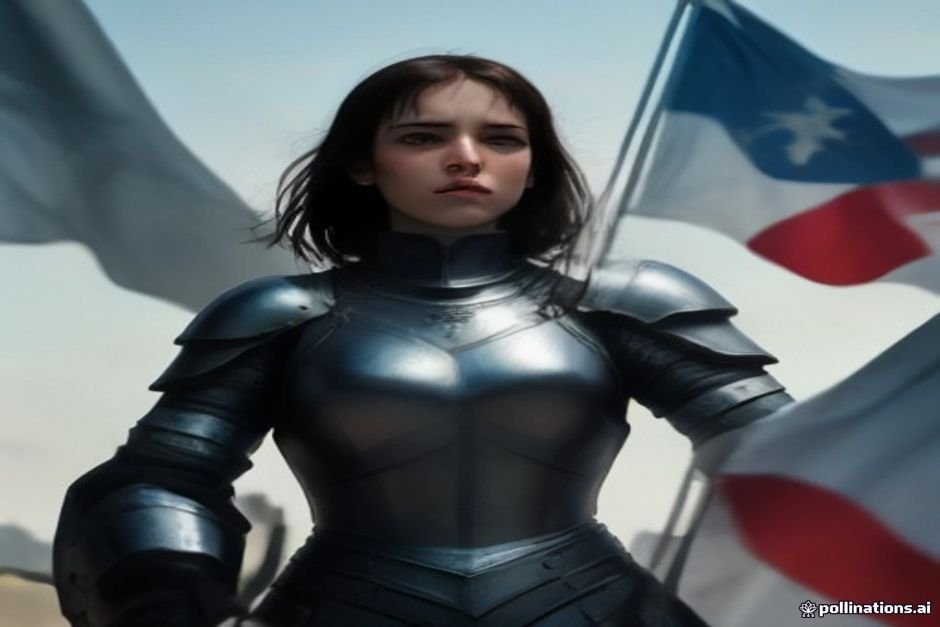
Learning about freedom fighters helps students understand how political change occurs and why individuals sacrifice for their beliefs. These 5 freedom fighters images with names serve as educational tools for history classes, research projects, and cultural understanding.
Understanding these figures develops critical thinking about justice, courage, and social responsibility. Their stories transcend national boundaries and speak to universal human values of dignity and freedom.
For more information on historical names and figures, see our guide to historical and cultural naming traditions.
Comparing Leadership Approaches
Each of these freedom fighters employed distinct strategies suited to their circumstances. Understanding their differences enriches historical knowledge and demonstrates how diverse approaches can achieve similar goals.
- Non-Violent Resistance: Gandhi and Mandela used peaceful methods and negotiation
- Military Campaigns: Bolívar, Joan of Arc, and Che Guevara led armed forces
- Religious Inspiration: Joan of Arc drew strength from faith; Gandhi incorporated spiritual principles
- International Influence: All five became symbols for movements beyond their original contexts
Why Study Freedom Fighters Today?
In contemporary society, understanding freedom fighters’ lives and struggles remains relevant for several reasons. These historical figures demonstrate how individuals can challenge unjust systems and create positive change.
Students and researchers gain insights into political evolution, social movements, and the human capacity for courage under adversity. The 5 freedom fighters images with names presented here offer concrete examples of historical significance and human determination.
Frequently Asked Questions
What defines a freedom fighter?
A freedom fighter is someone who actively resists oppressive rule or colonialism, using methods ranging from non-violent civil disobedience to armed rebellion, with the goal of achieving independence or political change.
Are all freedom fighters considered heroes?
Historical perspectives on freedom fighters vary based on political viewpoint and context; while some are widely celebrated, others remain controversial depending on their methods and outcomes.
How are these five freedom fighters taught in schools?
These figures are studied in world history, social studies, and civics classes as examples of political leadership, courage, and social change across different time periods and regions.
What can we learn from freedom fighters’ struggles?
Their stories teach about perseverance, moral courage, the importance of justice, and how ordinary people can create extraordinary historical change through dedication to their principles.